What is a Backhoe Cylinder? Key Functions and Maintenance Tips Explained
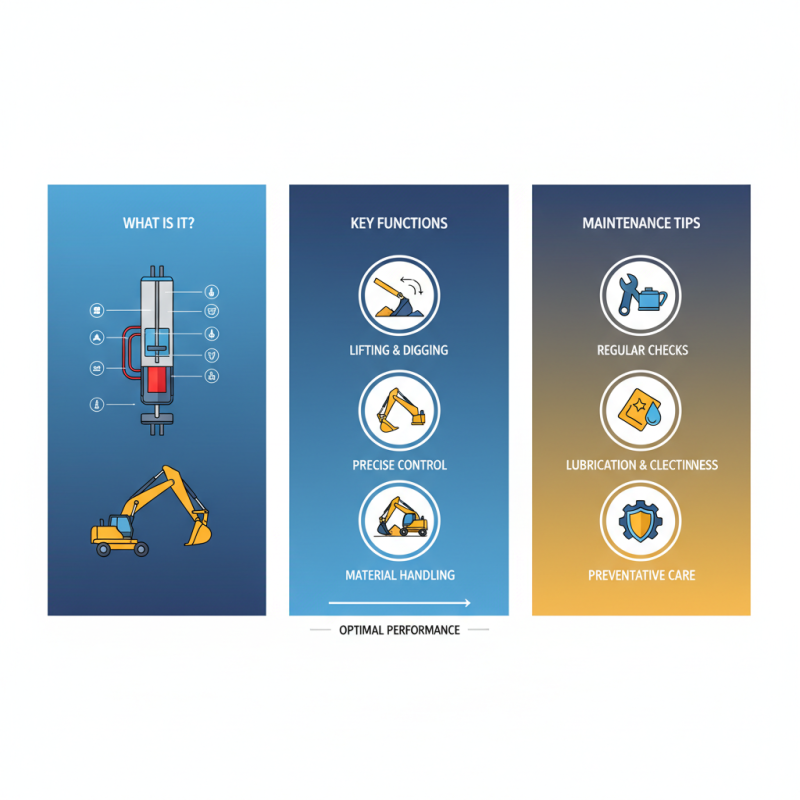
The Backhoe Cylinder plays a crucial role in the operation of backhoes, serving as a primary component that facilitates various lifting and digging functions. Understanding its key mechanisms and functions is essential for anyone involved in the operation or maintenance of construction machinery. This hydraulic cylinder assists in the precise control of the backhoe's bucket and arm, allowing for effective excavation and material handling.
In this article, we will delve into the definition of a Backhoe Cylinder, its essential functions, and key maintenance tips to ensure its longevity and optimal performance. Regular maintenance is vital to prevent any potential issues that could lead to costly repairs or operational downtime. By familiarizing yourself with the structure and operation of these cylinders, operators can enhance the efficiency of their equipment and maintain safety on the job site. Whether you are a seasoned professional or new to the industry, understanding the importance of the Backhoe Cylinder will undoubtedly contribute to more effective and reliable construction practices.
Understanding the Basics of Backhoe Cylinders
Backhoe cylinders are essential components of backhoe loaders, playing a critical role in their functionality. They are hydraulic devices that convert hydraulic fluid pressure into mechanical force, enabling the backhoe's various movements, such as lifting, digging, and tilting. When the operator activates the controls, the hydraulic fluid is directed into the cylinder, pushing the piston and creating the necessary force for the arm or bucket to move. Understanding their operation is crucial for anyone working with backhoes, as it directly impacts the efficiency and effectiveness of the machine.
Maintaining backhoe cylinders is vital for ensuring a long lifespan and optimal performance. Regular inspections should focus on checking for signs of wear, leaks, or damage to the cylinder seals. It is also important to keep the hydraulic fluid at the appropriate level and to use the correct type of fluid as specified in the equipment guidelines. Furthermore, cleaning the exterior of the cylinders can help prevent dirt and debris from entering the hydraulic system. By following these maintenance tips, operators can minimize downtime and enhance the reliability of their backhoe equipment.
Backhoe Cylinder Performance Metrics
This chart displays the key performance metrics of backhoe cylinders including lift capacity, reaching depth, extension length, operating pressure, and cycle time. These parameters are essential for understanding the capabilities and maintenance needs of backhoe cylinders.
Key Functions of Backhoe Cylinders in Excavation Work
Backhoe cylinders are essential components in excavation work, providing the power and control needed for digging and lifting tasks. These hydraulic cylinders convert hydraulic energy into mechanical force, enabling backhoes to perform a variety of functions, such as digging trenches, lifting heavy materials, and grading surfaces.
According to the International Fluid Power Society, hydraulic systems, including those used in backhoe cylinders, can achieve efficiency levels of up to 90%, making them a crucial element in construction and excavation activities.
The key functions of backhoe cylinders are primarily centered around their ability to facilitate movement. The boom cylinder raises and lowers the boom, allowing the backhoe to reach different excavation depths, while the dipper or stick cylinder controls the bucket's extension and retraction for precise digging. Studies indicate that a well-maintained backhoe can significantly increase productivity; for instance, a report by the Construction Industry Institute highlighted that efficient hydraulic systems can enhance operational productivity by as much as 15% over time.
Regular maintenance of these cylinders, including checking for leaks and ensuring all components are lubricated, is vital to sustain their performance and longevity in demanding work environments.
Common Types of Backhoe Cylinders and Their Applications
Backhoe cylinders play a crucial role in enhancing the functionality of backhoe loaders, which are versatile pieces of construction equipment. Among the common types of backhoe cylinders, the boom cylinder is essential for lifting and lowering the entire boom arm. This cylinder allows the operator to adjust the height of the boom, enabling it to reach various depths and heights for different excavation tasks. Its design ensures smooth, controlled movement, making it ideal for digging and placing materials with precision.
Another significant type is the dipper cylinder, which operates the arm attached to the backhoe bucket. This cylinder allows for the bucket to be extended and retracted, providing the ability to dig deeper and scoop up soil or debris efficiently. In addition, the bucket cylinder controls the opening and closing of the bucket, allowing for loading and unloading materials with ease. Together, these cylinders work in harmony to maximize the performance of the backhoe, highlighting their essential roles in various construction and landscaping applications. Proper maintenance of these cylinders is vital to ensure their durability and to prevent operational failures on the job site.
Essential Maintenance Tips for Backhoe Cylinders
Backhoe cylinders are crucial components of excavating machinery, playing a vital role in the functionality and efficiency of construction and landscaping projects. Regular maintenance of these cylinders is essential to ensure they operate smoothly and to extend their lifespan. According to industry reports, improper maintenance can lead to a 25% increase in downtime, significantly affecting productivity and costs.
To maintain backhoe cylinders effectively, it is vital to conduct regular inspections. Look for signs of leaks, corrosion, and damage to seals. Furthermore, ensure that hydraulic fluid levels are optimal and that the fluid is clean. Contaminated fluid can lead to premature wear and increased operational failures.
Tip 1:
Always clean the cylinder exterior before inspection to avoid dirt entering the seals.
Tip 2:
Consider using a high-quality hydraulic fluid that meets manufacturer specifications to optimize performance and protect against wear and tear.
Another critical aspect of maintenance is timely servicing. Hydraulic systems should be bled to remove any air trapped in the lines, which can cause erratic movements and reduce efficiency. Implementing a routine service schedule based on hours of operation can help avoid significant repairs down the line.
Tip 3:
Create a log for maintenance checks to track performance trends and identify potential issues before they escalate. By focusing on these essential maintenance practices, operators can ensure the longevity and reliability of their backhoe cylinders.
Recognizing Signs of Wear and Tear in Backhoe Cylinders
Backhoe cylinders are critical components that facilitate the movement and operation of backhoe loaders. Over time, wear and tear can affect their efficiency, making it essential for operators and maintenance personnel to recognize the signs of deterioration early. Common indicators include noticeable leaks, which often manifest as fluid pooling beneath the machine. If hydraulic fluid is observed escaping from the seals, it's a clear signal that the cylinder may need attention, as failure to address this could lead to further damage and costly repairs.
Another sign of wear is the presence of unusual noises during operation. If the cylinder produces grinding, hissing, or popping sounds, it suggests that internal components may be degrading or that there is an issue with the hydraulic system. Additionally, if the backhoe's movement becomes sluggish or jerky, it could imply that the cylinder is losing its ability to maintain consistent pressure. Regularly inspecting these components, along with visual checks for cracks or rust, can help ensure that any signs of wear are caught early, ultimately prolonging the life of the equipment and maintaining operational efficiency.
What is a Backhoe Cylinder? Key Functions and Maintenance Tips Explained - Recognizing Signs of Wear and Tear in Backhoe Cylinders
| Feature |
Description |
Signs of Wear |
Maintenance Tips |
| Function |
Acts as a force transmitter that converts hydraulic pressure into linear motion. |
Leaking hydraulic fluid, reduced lifting capability. |
Regularly inspect seals and replace them as necessary. |
| Components |
Includes piston, cylinder barrel, seals, and end caps. |
Pitting or scoring on the cylinder walls. |
Lubricate all moving parts and keep the cylinder clean. |
| Hydraulic Fluid |
Transmits power and lubricates internal components. |
Dirty or contaminated fluid, unusual noises during operation. |
Change hydraulic fluid according to the manufacturer's schedule. |
| Common Issues |
Seal failure and internal leaks can severely affect performance. |
Slow response time and uneven movements. |
Perform regular pressure tests to check for leaks. |

 +86-13349293098
 Contact WhatsApp
 Contact Email