Best Hydraulic Oil Cylinder for Your Industrial Needs?
In the dynamic landscape of industrial operations, choosing the right Hydraulic Oil Cylinder is crucial. According to a report by MarketsandMarkets, the hydraulic cylinder market is projected to reach USD 21.13 billion by 2025, driven by rising demand in construction and manufacturing sectors. This highlights the importance of selecting high-quality hydraulic components.
Hydraulic Oil Cylinders play a critical role in various applications, from heavy machinery to aerospace. Their ability to deliver high force and precision makes them indispensable. However, not all cylinders are created equal. Some manufacturers prioritize cost over quality, leading to premature failures. This can incur significant downtime and financial losses.
Understanding specifications and performance standards is vital. Reliability should be your priority when selecting a Hydraulic Oil Cylinder. Flaws in this decision can be costly. Therefore, a thoughtful evaluation of options is essential. Proper research and consultation with industry experts can help refine your choices, ensuring optimal performance and efficiency in your operations.
Selecting the Right Hydraulic Oil Cylinder for Industrial Applications
When selecting the right hydraulic oil cylinder for industrial applications, various factors must be considered. Start with the cylinder's load capacity. Each project has unique demands. Understanding the weight and force is essential. Pay attention to the working pressure, too. If the pressure is too low, it might not perform well. Conversely, too high could lead to failures.
Next, consider the cylinder's size and stroke length. The required dimensions will depend on the specific task. A mismatch can lead to inefficiencies. Exploration of rod and bore sizes is crucial. These elements also impact durability and speed. In high-demand environments, it’s vital to ensure the cylinder can withstand constant use.
Moreover, think about the operating environment. Some cylinders may be exposed to harsh conditions. A lack of protection might lead to corrosion or failure. Assessing seals and materials used is important. Quality can directly affect longevity. Recognizing these small details can guide better choices. Don't overlook these factors in your research process.
Understanding the Key Features of Hydraulic Oil Cylinders
Hydraulic oil cylinders are vital in many industrial applications. Understanding their key features can significantly impact performance. One major aspect is the material. High-grade steel is commonly used due to its strength and durability. According to a 2022 industry report, about 70% of cylinder failures are linked to material weaknesses. Choosing the right material ensures longevity and reliability.
Another crucial feature is the size and stroke length. Proper sizing is essential for optimal performance. A cylinder that is too small may struggle under heavy loads. Conversely, oversized cylinders can lead to inefficient operation. Experts recommend evaluating load requirements carefully. A study indicated that undersized cylinders can reduce efficiency by up to 40%.
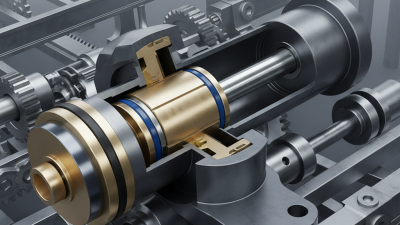
Sealing systems also play a critical role. Effective seals protect against contamination and fluid loss. Inadequate sealing can lead to interruption of operations. It's estimated that around 20% of maintenance costs stem from seal failures. Regular inspection and maintenance of seals are necessary for smooth operation. These elements demonstrate the complexity of selecting the right hydraulic oil cylinder for industrial needs.
Best Hydraulic Oil Cylinder for Your Industrial Needs? - Understanding the Key Features of Hydraulic Oil Cylinders
| Cylinder Type |
Max Pressure (psi) |
Bore Diameter (inches) |
Stroke Length (inches) |
Material |
Weight (lbs) |
| Single Acting |
3000 |
2 |
10 |
Steel |
15 |
| Double Acting |
5000 |
3 |
12 |
Aluminum |
18 |
| Telescopic |
4000 |
4 |
20 |
Steel |
25 |
| Low Profile |
3000 |
2.5 |
8 |
Aluminum |
12 |
Comparing Different Types of Hydraulic Oil Cylinders
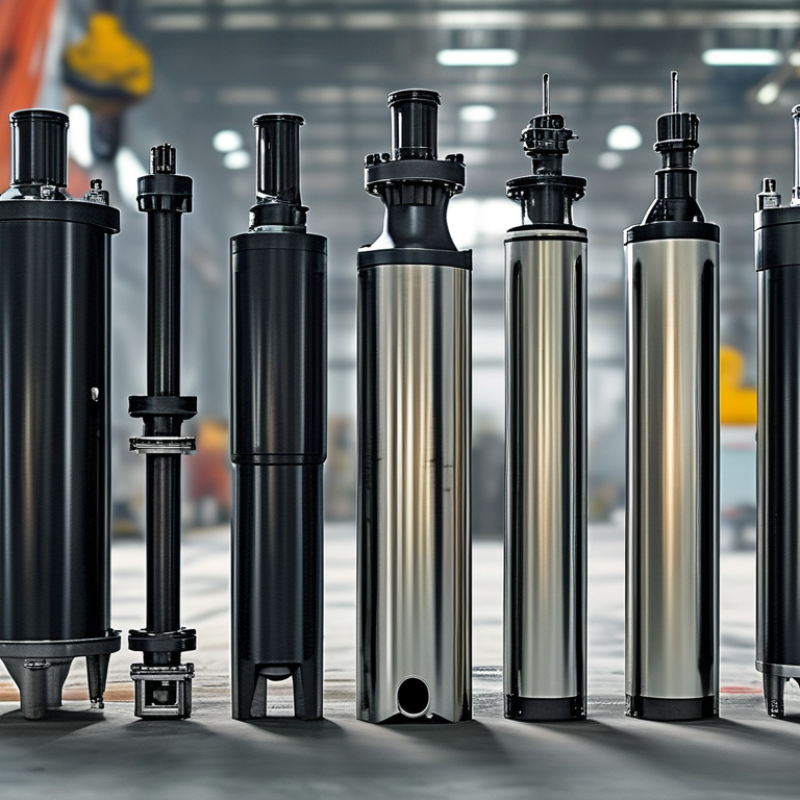
When selecting a hydraulic oil cylinder, understanding the various types available is crucial. There are standard cylinders, double-acting cylinders, and telescopic cylinders. Each type serves different applications and offers unique benefits. For instance, standard cylinders are reliable for moderate force tasks. However, one might find limitations when dealing with heavier loads.
Double-acting cylinders can generate force on both strokes, enhancing efficiency. They are ideal for tasks requiring consistent power. However, they also present complexities in installation and maintenance.
Telescopic cylinders are fantastic for applications needing compact design and extended reach. They can be tricky, as they may require precise alignment and consideration of load limits.
Choosing the right type involves reflection on specific industrial applications. It demands consideration of both the operational requirements and the environment. While some cylinders may offer higher power, they also can increase wear and tear. Balancing power with durability is essential. Understanding these nuances can help ensure optimal performance and longevity in service.
Maintenance Tips for Prolonging the Lifespan of Hydraulic Oil Cylinders
Hydraulic oil cylinders are crucial in various industrial applications. Proper maintenance is key to extending their lifespan. Regular inspections can help identify wear and tear early. According to industry reports, timely maintenance can improve equipment lifespan by 25%.
Keeping the hydraulic oil clean is vital. Contaminated oil leads to increased wear and tear on components. It is advisable to change the oil every 3,000 hours of operation or as recommended by your nearest technical guidelines. Additionally, using the right viscosity grade of oil is essential for optimal cylinder performance.
Here are some tips to maintain hydraulic oil cylinders:
- Check for leaks regularly. A small leak can lead to significant oil loss. Early detection saves costs.
- Monitor operating temperature. High temperatures can degrade the oil faster. Ensure you are within specified limits.
- Keep the working environment clean. Dirt and grime can contaminate the oil. A clean workspace goes a long way.
Inadequate maintenance can lead to unexpected breakdowns. These issues create costly downtime. Therefore,
constant vigilance is necessary. Understanding the value of maintenance is crucial for efficiency. Your equipment's longevity depends on it.
Common Applications and Uses of Hydraulic Oil Cylinders in Industry
Hydraulic oil cylinders are vital in many industrial applications. Their primary function is to convert hydraulic energy into mechanical power. These cylinders are commonly used in construction, manufacturing, and transportation sectors.
In the construction industry, hydraulic cylinders power excavation equipment, cranes, and drill rigs. They provide high force and precise control, essential for safety. According to the International Society of Automation, hydraulic systems often operate under high pressures, averaging between 3,000 to 5,000 psi. This stability allows for heavy lifting, such as moving steel frameworks or concrete blocks.
In manufacturing, these cylinders assist in automated assembly lines. They enable tasks like molding, pressing, or stamping with accuracy. Reports from the National Institute of Standards and Technology indicate that automated systems can boost productivity by up to 30%. However, improper maintenance can lead to leaks or system failure, impacting overall efficiency. Regular inspections and fluid checks are crucial to ensure optimal performance.

 +86-13349293098
 Contact WhatsApp
 Contact Email