Best Outrigger Cylinder Types for Stability and Performance?
Outrigger cylinders play a crucial role in enhancing stability and performance in various engineering applications. According to recent industry reports, the use of high-quality outrigger cylinders can significantly improve load capacity and safety. Research indicates that optimal cylinder design contributes to reduced structural stress and enhances overall system efficiency.
Choosing the right outrigger cylinder can be challenging. Factors such as material selection and hydraulic specifications influence effectiveness. A common oversight is not considering the environmental impact on cylinder performance; corrosion and wear can drastically affect longevity. Adjusting design based on real-world use cases can yield better results.
Despite advancements, discrepancies in performance still occur. Many users may underestimate the importance of regular maintenance, which can lead to unexpected failures. Understanding the specific requirements of each application is vital for leveraging the full potential of outrigger cylinders. As engineers strive for innovation, the consistency of performance remains an area requiring careful attention and continuous improvement.
Overview of Outrigger Cylinder Types
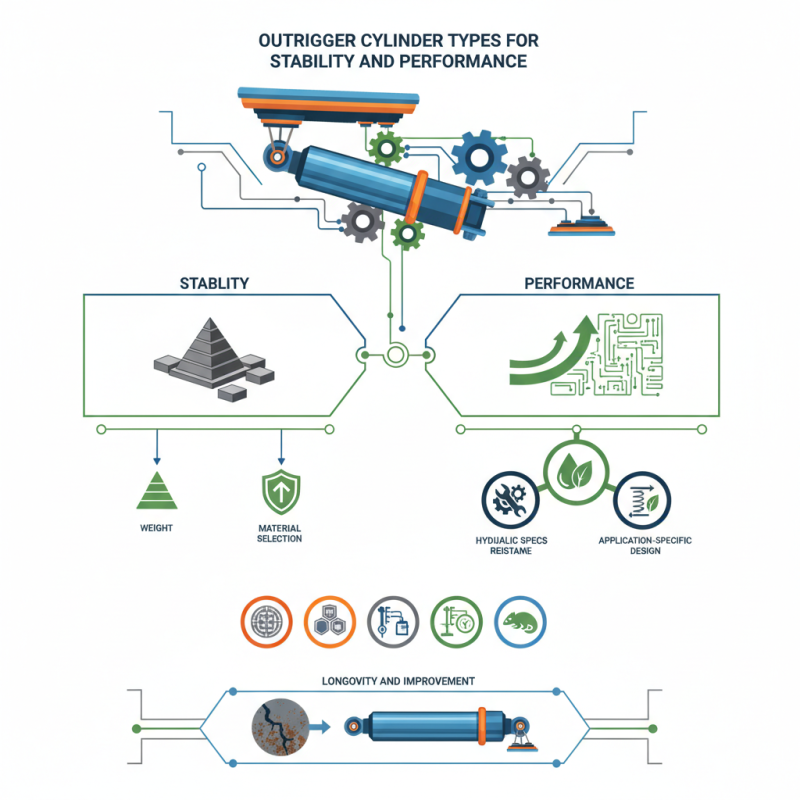
When discussing outrigger cylinders, several types stand out for their stability and performance.
Hydraulic cylinders are commonly used in construction and marine applications. Their ability to provide strong lifting power is critical.
In fact, according to a 2022 industry report, hydraulic systems can improve load stability by up to 25%. This significant enhancement is crucial for safety and efficiency.
Pneumatic cylinders are another option. They offer rapid response times and are ideal for lighter loads. However, they can be less stable under high loads compared to their hydraulic counterparts.
A recent study noted that pneumatic systems often experience a 10-15% drop in stability during operational peaks. This drop might cause concern in high-stakes environments.
Electric cylinders are gaining popularity due to their precision and control. They can be programmed for specific tasks, making them versatile.
However, they may not always provide the same raw power as hydraulic options. Some experts argue that the initial investment can be higher, which may deter some users.
The choice often depends on the balance of performance, stability, and cost. Each cylinder type has its unique strengths and weaknesses, making it essential for users to evaluate their specific needs carefully.
Key Features Impacting Stability
When it comes to outrigger cylinders, stability is crucial for performance. The design of the cylinder plays a significant role. A wider base often means better support. This can prevent tipping in rough conditions. Height adjustments can also enhance stability. However, they should be easy to operate. Users often struggle with cumbersome mechanisms.
Material selection influences performance as well. Lightweight materials promote easy handling. Yet, they should not compromise on strength. Some users report issues with durability over time. This suggests a careful balance must be struck. Users appreciate cylinders that resist corrosion but may overlook maintenance requirements. Attention to detail in regular checks could prevent unexpected failures.
Another critical feature is the locking system. It must be reliable, ensuring that the cylinder remains in position. Some locking mechanisms wear out quickly. Users express frustration when adjustments are not secure. Innovative designs can provide solutions, but their effectiveness needs real-world testing. Many features appear promising in theory, but practical applications reveal gaps that require addressing.
Best Outrigger Cylinder Types for Stability and Performance
Performance Metrics for Outrigger Cylinders
When considering outrigger cylinders, performance metrics are key. Stability often hinges on the cylinder's design and material. Traditional configurations may risk bending under pressure. However, innovative designs can enhance rigidity and durability. These changes lead to better load distribution.
In practical terms, the weight capacity is vital. Each cylinder's force-to-weight ratio affects overall performance. Subpar choices can lead to tipping or failure. Some designs excel in rough conditions, while others falter. Testing these metrics in real-world scenarios is essential for improvement.
User feedback also offers valuable insights. Many operators notice differences in responsiveness during operation. Some cylinders may lag in performance. This discrepancy calls for a review of design choices. Overall, understanding these performance metrics can guide decisions toward more stable and efficient options. Enhanced stability means improved safety and productivity on site.
Best Outrigger Cylinder Types for Stability and Performance
| Cylinder Type |
Stability Rating |
Performance Metric |
Max Load (kg) |
Response Time (ms) |
| Single Acting Cylinder |
Moderate |
Good |
500 |
100 |
| Double Acting Cylinder |
High |
Excellent |
800 |
75 |
| Telescopic Cylinder |
Very High |
Outstanding |
1200 |
60 |
| Pneumatic Cylinder |
Low |
Fair |
300 |
150 |
| Hydraulic Cylinder |
High |
Very Good |
1000 |
80 |
Comparative Analysis of Popular Cylinder Materials
When it comes to outrigger cylinders, selecting the right material can greatly impact stability and performance. Aluminum is a popular choice due to its lightweight nature. According to industry reports, aluminum cylinders can reduce overall weight by 30% compared to steel. This weight reduction often translates to improved performance in various applications. However, aluminum does come with trade-offs in terms of durability and resistance to corrosion.
Steel cylinders, while heavier, offer superior strength and durability. They resist deformation better under heavy loads. A study indicated that steel can withstand a 20% higher shear force than aluminum in similar sizes. However, the increased weight may affect the stability of the entire system. It’s essential to balance the trade-offs between weight and strength based on specific use cases.
Composite materials are gaining attention as well. Some designs feature reinforced plastics or carbon fiber. These materials provide a unique combination of lightness and strength. Yet, they may present challenges in terms of cost and availability. The market is still evolving regarding the best applications for these modern materials. Each choice has its pros and cons, and more data is needed to fully understand their long-term performance.
Best Practices for Choosing the Right Cylinder
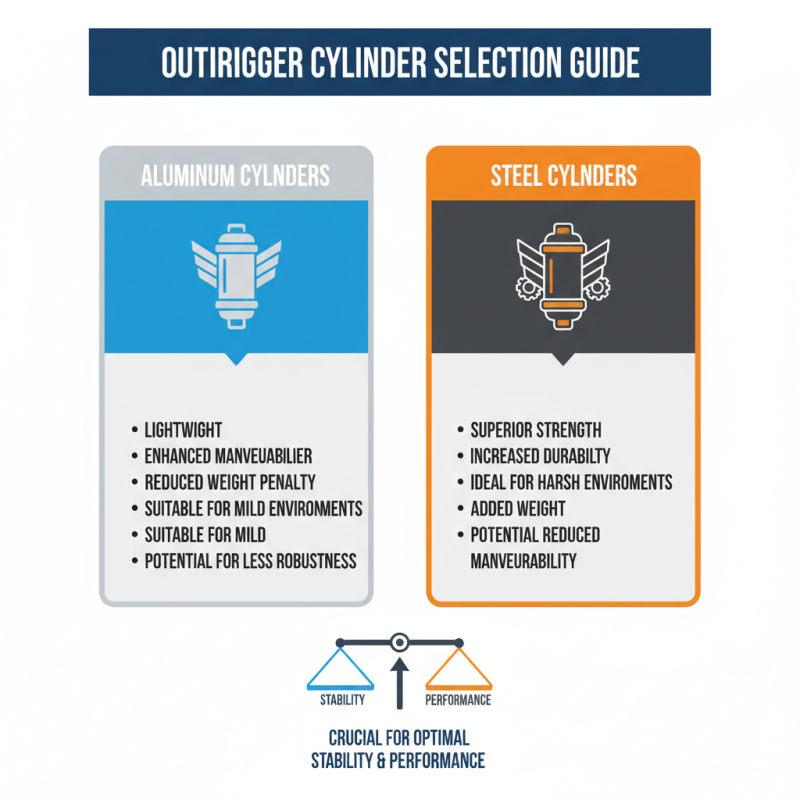
Choosing the right outrigger cylinder is crucial for both stability and performance. One key factor to consider is the material of the cylinder. Aluminum and steel are popular choices, each offering distinct advantages. Aluminum is lightweight, enhancing maneuverability. However, it may lack the robustness needed in harsher environments. Steel provides strength but adds weight, which can be a drawback in some scenarios.
Another important aspect is the size of the cylinder. Larger cylinders offer more stability but can be cumbersome. A balance must be struck between size and functionality. When assessing different models, pay attention to the weight distribution. An uneven distribution can lead to instability, especially in dynamic conditions.
Lastly, installation practices play a role in performance. A poorly installed cylinder can compromise stability, making it ineffective. Regular checks and maintenance are essential. Ignoring these practices can lead to unexpected failures. Reflecting on past experiences, it’s clear that thoughtful selection and maintenance of outrigger cylinders are vital for achieving optimal stability and performance.

 +86-13349293098
 Contact WhatsApp
 Contact Email