Best Rod End Cylinder Types for Your Industrial Needs?
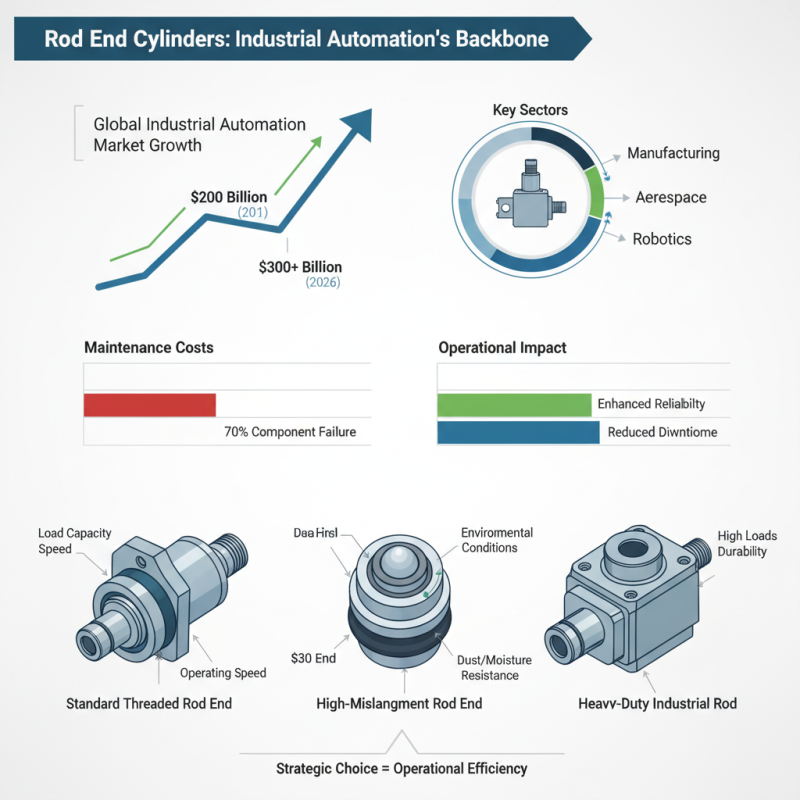
In the world of industrial automation, Rod End Cylinders play a critical role. These components are pivotal for numerous applications, especially in motion control systems. According to a recent report from MarketsandMarkets, the global industrial automation market is expected to grow from $200 billion in 2021 to over $300 billion by 2026. This surge highlights the increasing demand for robust and reliable components like Rod End Cylinders.
Rod End Cylinders are essential in various sectors, including manufacturing, aerospace, and robotics. Their unique ability to facilitate precise linear motion makes them indispensable. However, selecting the right type of Rod End Cylinder can be challenging. Factors such as load capacity, environmental conditions, and operating speed must be considered. Often, companies overlook these details, leading to suboptimal performance.
The reliability of Rod End Cylinders directly impacts production efficiency. A recent analysis indicates that 70% of maintenance costs are associated with component failure. Thus, choosing the right type is not merely a technical decision; it's a strategic one. A well-informed choice can enhance operational reliability and reduce downtime.
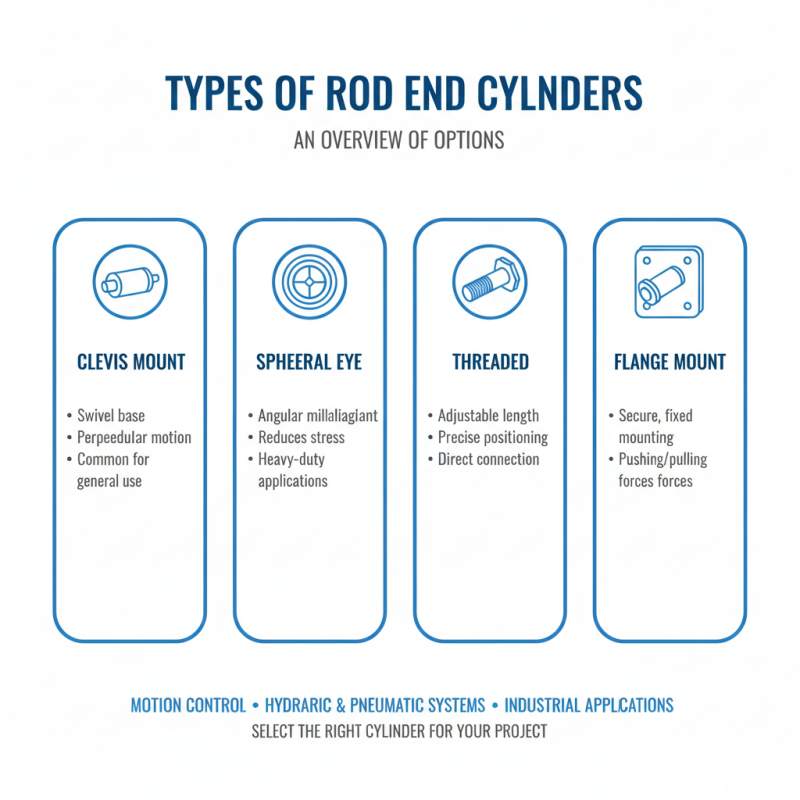
Types of Rod End Cylinders: An Overview of Options
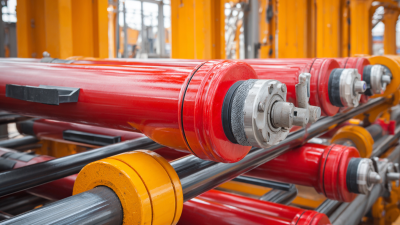
Rod end cylinders play a crucial role in various industrial applications. They are essential components that provide motion control in hydraulic and pneumatic systems. There are several types of rod end cylinders, each designed to meet specific needs. Understanding these options is vital for selecting the right cylinder for your project.
One common type is the standard rod end cylinder. This design supports a wide range of applications and is often favored for its simplicity. According to industry reports, over 50% of manufacturers prefer standard cylinders for general-purpose applications due to their reliability and cost-effectiveness. However, these cylinders may not offer the precision required in specialized tasks, leading some industries to opt for high-performance variants.
Another option is the guided rod end cylinder. This type offers enhanced stability and accuracy, making it suitable for applications with high load fluctuations. Reports indicate that guided cylinders can reduce wear by up to 30% compared to standard types. Despite their advantages, they can be more expensive and may require complex installation processes. Understanding your specific requirements can help you select the best rod end cylinder to enhance efficiency and productivity in your operations.
Key Features to Consider When Choosing Rod End Cylinders
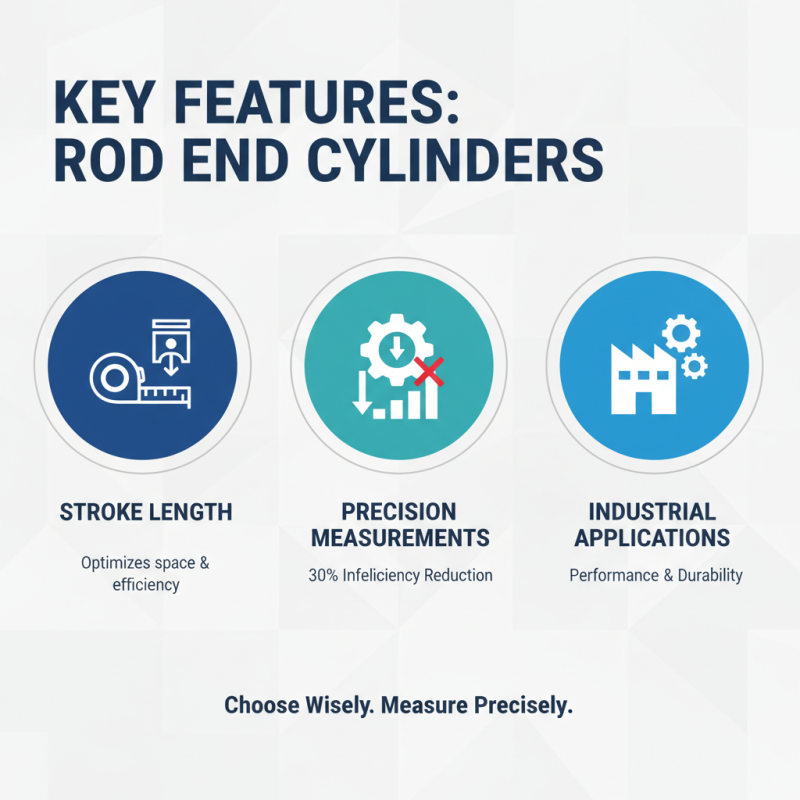
When choosing rod end cylinders for industrial applications, specific features can greatly affect performance. One important aspect is the cylinder's stroke length. Depending on the application, varying stroke lengths can optimize space and efficiency. Reports indicate that about 30% of inefficiencies in manufacturing stem from improperly sized cylinders. Thus, precise measurements are crucial.
Another factor is the mounting style. Different applications require different mounting options. Options include clevis, flange, or foot mounts. The choice impacts stability and load capacity. An assessment by the International Fluid Power Society shows that nearly 25% of rod end failures result from incorrect mounting. This statistic highlights the need for thoughtful consideration during selection.
Finally, operating pressure plays a vital role. Rod end cylinders must withstand specific pressures without failure. According to industry data, cylinders operating above recommended pressure levels can reduce lifespan by up to 50%. It's clear that understanding pressure ratings is essential for long-term reliability. Inadequate knowledge in this area often leads to costly repairs. Ensuring the right pressure capacity could save significant resources.
Applications of Rod End Cylinders in Various Industries
Rod end cylinders have diverse applications across various industries, showcasing their versatility and efficiency.
In manufacturing, they are essential for automation systems. Their compact design allows for easy integration into robotic arms and conveyor systems. According to a recent industry report, the automation sector is projected to grow by 25% within the next five years. This growth underscores the increasing reliance on rod end cylinders.
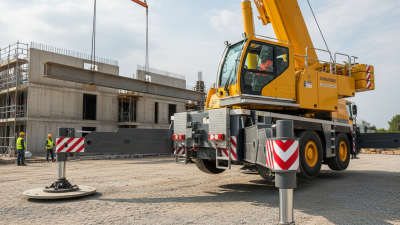
In the construction industry, these cylinders are vital in heavy machinery. They facilitate lifting and movement tasks with precision. A study by the International Journal of Engineering showed that hydraulic systems using rod end cylinders can improve efficiency by 30%.
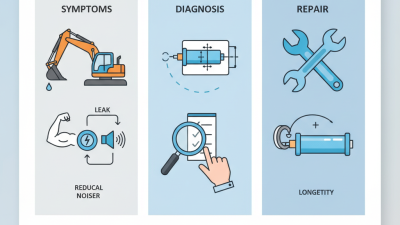
However, wear and tear can lead to issues like leakage. Regular maintenance is crucial yet often overlooked, which can compromise system integrity.
The agricultural sector increasingly uses rod end cylinders for equipment such as tractors and harvesters. Their reliability in harsh conditions stands out.
Data indicates that incorporating these cylinders can enhance productivity by up to 20%.
Nevertheless, operators must be cautious about environmental factors affecting their performance. Adapting maintenance strategies to these conditions remains a point for reflection among industry professionals.
Comparing Performance and Durability of Different Rod End Cylinders
When selecting the best rod end cylinder types for industrial applications, performance and durability are key aspects to consider. Various studies indicate that the material composition of the rod ends significantly influences the longevity and effectiveness of these devices. For instance, aluminum alloys often provide lightweight advantages but may not withstand high-stress environments as effectively as steel counterparts. According to a report from the International Fluid Power Society, steel rod ends demonstrate a 30% longer service life under extreme conditions compared to their aluminum alternatives.
Additionally, hydraulic seals play a critical role in ensuring minimal wear. Research shows that cylinders with advanced seal technology can enhance operation efficiency by up to 25%. Yet, maintenance issues frequently arise from neglecting seal care, which leads to decreased performance. Many industries report an uptick in repair costs due to worn-out seals, highlighting the importance of regular inspections and timely replacements.
It is also essential to evaluate the rod end's stroke length, as this can impact both the range and precision of motion in automated systems. A poorly matched stroke length can create operational challenges or lead to unnecessary wear on components. Data from the American Hydraulic Association indicates that optimizing stroke lengths can improve system efficiency by 15%, calling for a thorough analysis of individual operational needs before making a selection. These factors together present a complex decision-making landscape, requiring careful consideration of both performance metrics and long-term durability.
Best Rod End Cylinder Types for Your Industrial Needs
| Cylinder Type |
Performance Rating |
Durability Rating |
Operating Pressure (psi) |
Typical Applications |
| Tie Rod Cylinder |
High |
Moderate |
2500 |
Heavy Machinery |
| Welded Cylinder |
Moderate |
High |
3000 |
Construction Equipment |
| Compact Cylinder |
Moderate |
Moderate |
1500 |
Automotive Industry |
| Pneumatic Cylinder |
High |
Low |
100 |
Packaging Machinery |
| Hydraulic Cylinder |
Very High |
High |
5000 |
Industrial Presses |
Maintenance Tips for Maximizing the Life of Rod End Cylinders
Rod end cylinders are crucial in various industrial applications. They provide linear motion and convert rotary motion into linear force. To maximize their lifespan, proper maintenance is essential. Regular inspections can catch wear and tear early, preventing costly failures. According to industry reports, timely maintenance can extend the lifespan of these cylinders by up to 30%.
Lubrication is a key factor in maintaining rod end cylinders. Using the right lubricant reduces friction and helps prevent corrosion. However, many operators underestimate the importance of cleanliness. Contaminants can lead to severe damage over time. Periodic cleaning of the cylinder rod helps ensure optimal performance. In fact, studies show that cylinders maintained with regular cleaning have a failure rate that is 40% lower.
Environmental factors also play a significant role. Extreme temperatures or exposure to specific chemicals can accelerate wear. Operators should consider their operating environment when selecting rod end cylinders. This awareness can prevent premature failure. Adapting maintenance routines based on environmental conditions is crucial. It is always a good idea to reflect on current practices and find areas for improvement.
Best Rod End Cylinder Types for Your Industrial Needs

 +86-13349293098
 Contact WhatsApp
 Contact Email