+86-13349293098


For global buyers, choosing a Yale Hydraulic Cylinder supplier is not only a price decision. It can affect equipment uptime, replacement speed, and the effort required to match a cylinder to an existing machine. Small details matter. A thread pitch, mounting style, stroke length, or port location can turn a promising quote into a costly mismatch. Some buyers need a genuine replacement part; others need sourcing support, documentation, or shipment coordination. A reliable supplier should explain what it can verify, not simply promise quick delivery. Claims need checking.
This guide introduces seven suppliers that global buyers may consider when sourcing Yale hydraulic cylinders and related support. The comparison focuses on practical buying questions: product availability, technical assistance, export experience, communication, and clarity around specifications. These factors matter whether a maintenance team is replacing one worn unit or planning recurring purchases across several sites. Before ordering, share the cylinder model or nameplate details, operating pressure, dimensions, and application conditions. Request written confirmation of compatibility, warranty terms, packaging, and estimated lead time. Those steps do not remove every risk. Supplier information and stock can change, and an imperfect match may still look convincing in a catalog. Use the list as a starting point, then verify details directly with each company.
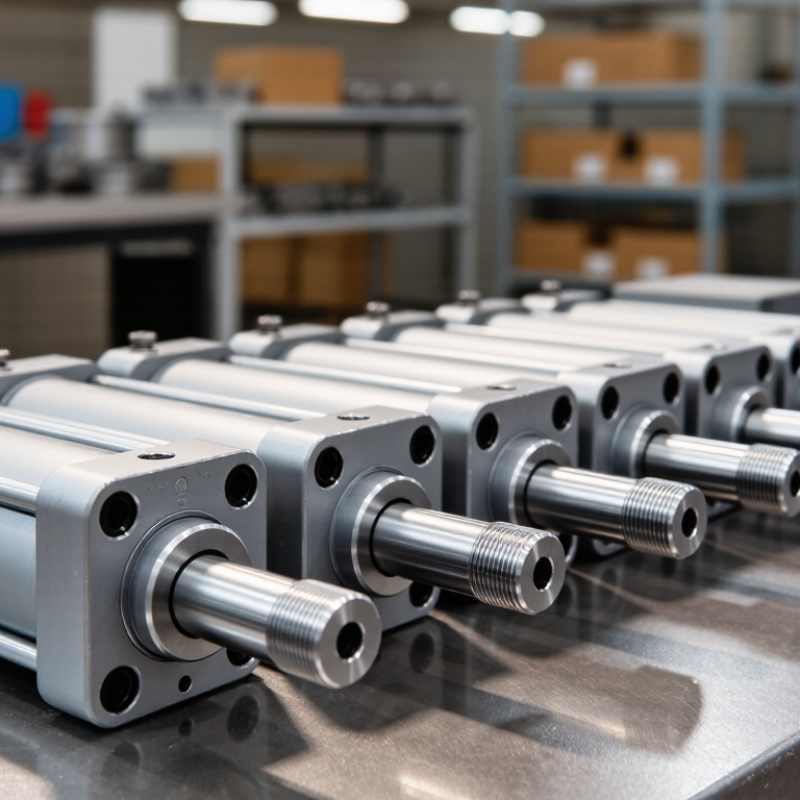
Hydraulic cylinders convert fluid pressure into straight-line force, making them essential to lifting and positioning equipment.
In warehouses, a lift-truck mast cylinder raises a loaded carriage along its rails. Tilt cylinders help control the fork angle. They serve different jobs. A cylinder that lifts smoothly may still respond poorly when precise tilt control matters.
Across global markets, equipment works in varied temperatures, duty cycles, and maintenance conditions. Buyers should compare mounting dimensions, stroke, operating pressure, and connection types against the machine’s service requirements. Ask suppliers how they verify seals, surface finishes, and load performance.
These details can affect leakage risk and service life. A specification sheet may omit harsh washdowns or frequent short lifts. That gap deserves attention. Suppliers with clear inspection records and practical application knowledge can help identify mismatches before shipment. Still, no checklist replaces checking the cylinder against the actual equipment and working conditions.
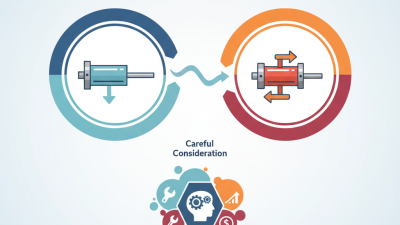
A reliable hydraulic-cylinder supplier should verify the exact unit before quoting. Share the model and serial numbers, mounting dimensions, bore, stroke, rod-end details, and working-pressure requirements. Ask for a drawing that matches the installed cylinder, not just a similar-looking replacement. Seal materials must suit the fluid and operating temperature. A neat brochure is not proof.
Check how the supplier documents inspection, pressure testing, leakage checks, and component traceability. Request sample test records and confirm that replacement seals and wear parts are available. Logistics matter, too: a 2020 McKinsey Global Institute report found that 93% of surveyed supply-chain leaders planned to improve resilience. That broad finding supports checking backup stock and realistic dispatch times, not relying on one delivery promise. I would still treat unusually short lead-time estimates cautiously; custom seals and shipping delays can change them.
Tips: Send clear photos of the nameplate and mounting points. Ask for written confirmation of dimensions, test documentation, warranty terms, and spare-part lead times. Compare the answers, not only the prices. A quick video call can reveal whether the supplier understands the application, though it cannot replace verified technical records.
| Evaluation Criterion | What to Assess | Evidence to Request | Why It Matters to Global Buyers |
|---|---|---|---|
| Equipment and Cylinder Compatibility | Confirm the cylinder’s mounting style, dimensions, stroke, rod and bore sizes, port type, and operating requirements match the application. | Dimensioned drawings, cylinder identification details, application data sheet, and written confirmation of fit. | Matching the interface and operating specifications helps avoid installation problems and unsuitable replacements. |
| Engineering and Customization Capability | Evaluate the supplier’s ability to review duty cycles, loads, side loading, environmental conditions, and required cylinder features. | Engineering review, material and seal specifications, design drawings, and documented approval process. | Application-specific engineering can help address differences in equipment configuration and working conditions. |
| Quality Management and Traceability | Check how the supplier controls inspection, nonconforming products, production records, and component traceability. | Current quality-system certificate, inspection records, material certificates where applicable, and sample traceability documentation. | Documented controls make product consistency and issue investigation easier to assess. |
| Hydraulic Safety and Applicable Standards | Ask how the design and documentation address hydraulic-system safety requirements and any relevant cylinder dimensional standards. | Compliance statements and supporting technical documents; review ISO 4413 and, where applicable, ISO 6020-1 or ISO 6022 requirements. | These standards provide recognized references for hydraulic-system safety and selected cylinder dimensions; applicability depends on the design. |
| Testing and Inspection | Review the checks performed on finished cylinders, such as dimensional inspection, functional checks, and pressure testing where specified. | Test procedures, acceptance criteria, inspection reports, and a sample test certificate. | Clear test records help buyers verify that agreed specifications and acceptance requirements were checked. |
| Export, Packaging, and Documentation | Assess export experience, protective packaging, shipping options, and the availability of documents required for the destination market. | Packaging specifications, shipping terms, sample export documents, and a written delivery estimate. | Suitable packing and complete documentation help reduce transit damage and cross-border processing delays. |
| After-Sales Support and Total Cost | Compare warranty terms, exclusions, spare-parts availability, response process, quoted lead time, and total landed cost. | Written warranty policy, support procedure, parts list, itemized quotation, and confirmed production and shipping schedules. | Comparing these details gives buyers a clearer view of ongoing support and costs beyond the initial purchase price. |
Global buyers need more than a low quoted price when sourcing lift-truck hydraulic cylinders. Fit, pressure rating, stroke length, and mounting dimensions all matter. A mismatch can cause leaks, slow lifting, or costly downtime. Measure the removed cylinder and confirm its part reference before requesting a quote.
Seven supplier profiles are worth comparing: authorized parts distributors, forklift service networks, cylinder rebuilders, fluid-power wholesalers, custom cylinder manufacturers, regional equipment dealers, and export-focused parts specialists. Distributors may help verify original specifications. Service networks can inspect the machine as well as the part. Rebuilders may offer a practical option when the barrel and rod remain serviceable. Wholesalers often provide broad stock, while custom makers can address unusual dimensions. Regional dealers may simplify communication. Export specialists can coordinate packing and shipping documents.
Check each supplier’s drawings, material details, warranty terms, and inspection records. Ask for clear photos of ports, mounting ends, and identification markings. Small details matter. A polished catalogue is not proof of compatibility. I would compare written specifications, not rely on a quick verbal assurance; even experienced buyers sometimes overlook seal type or connection thread. Lead times can also shift, so confirm stock and dispatch dates before placing an order.
Theoretical extension force increases with cylinder bore size. Use this technical reference when comparing hydraulic cylinder specifications.
Values are calculated from piston area × 200 bar (20 MPa). They represent ideal extension force and exclude friction, pressure losses, and rod-side effects.
Comparing hydraulic cylinder suppliers takes more than matching bore size and pressure ratings. Check whether each supplier offers standard and custom cylinders, replacement seals, mounting options, and repair support. MarketsandMarkets’ Hydraulic Cylinder Market report estimated the market at about US$13 billion in 2023, with continued growth expected through 2028. That scale signals broad demand, but it does not guarantee consistent quality or fast service. Ask for pressure-test records, material specifications, and clear warranty terms before comparing quotations.
International reach matters when equipment is operating far from the factory. Compare export packaging, spare-parts availability, technical response times, and access to regional service partners. A supplier with a wide sales network may still have limited repair capacity in your location. Request a sample delivery schedule and confirm how urgent seal or rod replacements are handled. Small details matter: a damaged crate or unclear drawing can delay installation.
Tips: Send suppliers the same duty-cycle, fluid, stroke, and mounting details. Compare written lead times and service commitments, not just unit prices. No comparison is perfect; local support can be difficult to verify until a breakdown occurs.
Choosing a hydraulic cylinder supplier starts with the working conditions, not a catalog photo. Record operating pressure, stroke, mounting points, fluid, duty cycle, and expected side loads. Measure the existing unit’s pin centers and port threads; a small mismatch can stop installation. Ask for material specifications, seal compatibility, pressure-test records, and traceable inspection documents. A general-purpose cylinder may look suitable but fail under repeated shock loads. Details matter.
Market growth makes verification more important. Grand View Research estimated the global hydraulic equipment market at USD 42.84 billion in 2023, with projected annual growth of 5.3% from 2024 to 2030. This is a broad equipment-market estimate, not a cylinder forecast, but it signals a crowded supply base. Request sample test reports and confirm that serial numbers link each cylinder to its production and inspection records. Check lead times, spare-seal availability, packaging, and technical support in your region. Ask how warranty claims are handled across borders. A polished brochure is not proof. I would also compare quoted specifications line by line; buyers sometimes overlook that step. A factory audit or independent inspection can reveal gaps that paperwork misses.