How to Choose the Best Loader Tilt Cylinder for Your Needs?
Choosing the right Loader Tilt Cylinder can greatly impact your machinery's efficiency. Expert John Smith, a hydraulic systems engineer with over 20 years of experience, once said, "The performance of your equipment hinges on selecting the proper tilt cylinder." His insight emphasizes the significance of making informed decisions in this domain.
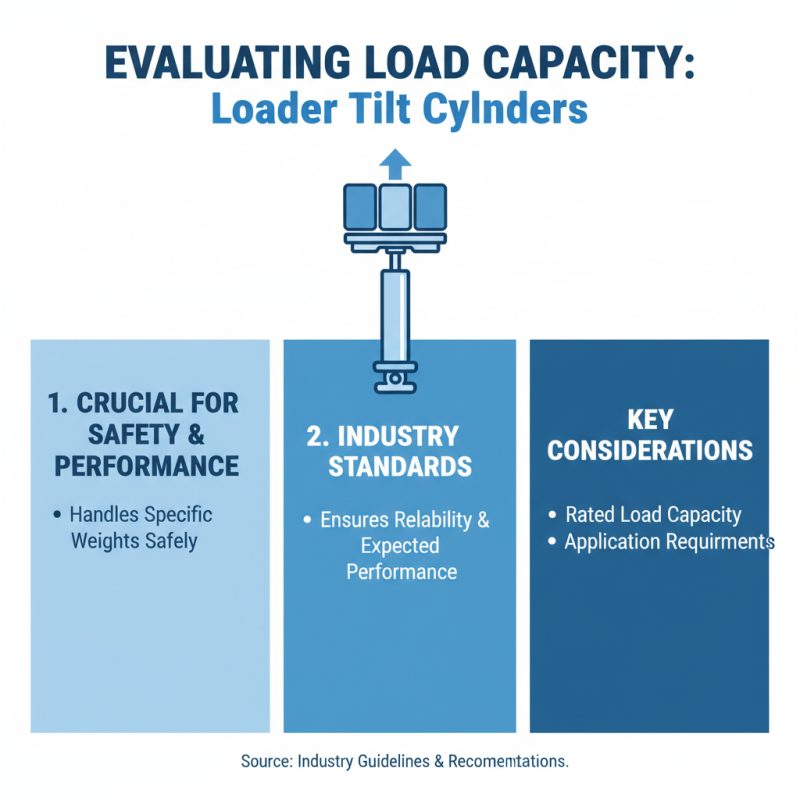
When considering a Loader Tilt Cylinder, factors such as weight capacity and durability must be assessed. Many users overlook these elements, leading to potential inefficiencies. Additionally, hydraulic compatibility is crucial. Mismatched components can lead to leaks or failures, increasing maintenance costs over time.
It’s essential to weigh the options carefully. Understand that the best choice differs for each application. While some may prioritize speed, others might need enhanced stability. Reflect on your specific needs and the conditions in which your machinery operates. A thoughtful approach can prevent costly mistakes and enhance overall performance in the long run.
Understanding Loader Tilt Cylinders: Types and Applications
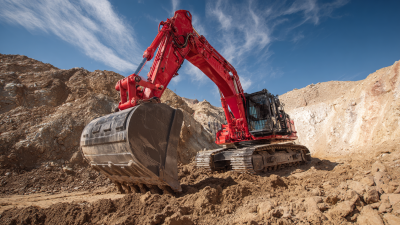
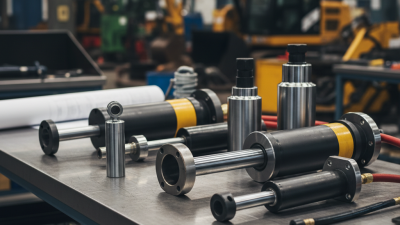
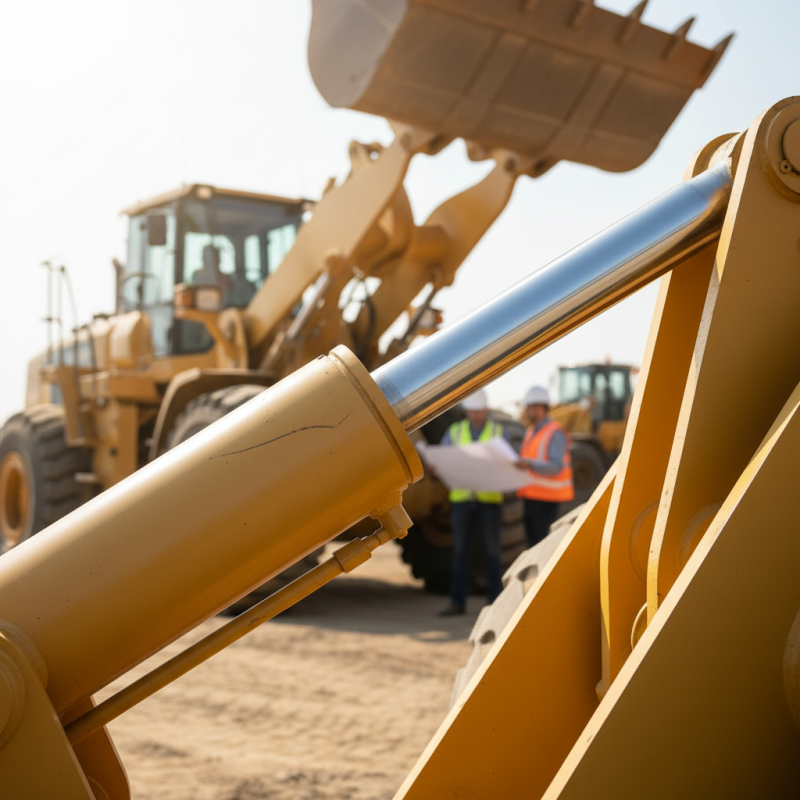
Loader tilt cylinders play a crucial role in construction and agricultural machinery. Understanding their types and applications can significantly enhance performance and safety. There are two main types of tilt cylinders: single-acting and double-acting.
Single-acting cylinders extend in one direction, using gravity for retraction. They are lightweight and cost-effective, yet may lack efficiency in certain tasks. Double-acting cylinders offer more control, allowing for smooth operation in both directions. This versatility makes them preferable for complex lifting operations.
Applications vary from simple material handling to more intricate tasks, like grading and precision digging. Knowing the required force and angle of tilt can help in selecting the right cylinder. An improper choice may lead to operational inefficiencies and safety risks. For instance, using a single-acting cylinder in a double-acting application can cause slow response times, affecting overall productivity.
It's also essential to consider the environmental conditions where the equipment operates. Dust, moisture, and extreme temperatures can influence cylinder performance. Ensuring quality seals and materials mitigates risks of failure. Potential issues may arise if the average user does not account for these factors. Continuous evaluation and adaptation to specific needs will help in maximizing the utility of loader tilt cylinders.
Key Specifications to Consider when Selecting Tilt Cylinders
When selecting a loader tilt cylinder, several key specifications should be considered. The cylinder's bore size greatly affects its lifting capacity. A larger bore can handle heavier loads but may require more space. Stroke length is also crucial. It determines how far the load can tilt. Ensure the stroke length suits your specific requirements.
Another important factor is the cylinder's working pressure. Check the pressure rating. It should align with your machine's specifications to ensure compatibility. Additionally, consider the type of seals used in the cylinder. High-quality seals can prevent leaks and extend the cylinder's lifespan.
Tips to keep in mind: always calculate the load you intend to lift. This helps in choosing the right bore size. When in doubt, consult with a professional. They can guide you in assessing your needs more accurately. Finally, periodically review your equipment. This ensures it continues to meet operational demands. Adjustments may be necessary over time to optimize performance.
Materials and Construction Quality: Impact on Performance and Longevity
When selecting a loader tilt cylinder, the materials used in its construction play a crucial role in its performance and longevity. High-quality materials can withstand intense pressure and environmental factors. Steel and aluminum are common choices for their strength-to-weight ratios. However, not all metals are created equal. Some may rust or corrode, impacting performance over time. Choosing a cylinder made from the right alloy ensures that it endures tough conditions.
Construction quality is equally vital. Welds should be meticulous and void-free. Poor welding can lead to premature failure. Inspecting the manufacturing standards can help ensure reliability. Keep an eye on seals and joints; these areas are prone to leaks. Even small issues can lead to significant malfunctions.
It's also important to consider your specific application when selecting a tilt cylinder. Different tasks impose different stresses on the equipment. Sometimes, what seems like a minor detail can affect overall efficiency. Reflecting on past experiences with equipment can guide better decisions. Balancing material quality and construction standards is essential for optimal performance in the field.
Maintenance Tips for Optimal Performance of Loader Tilt Cylinders
Maintaining loader tilt cylinders is crucial for ensuring their long-term efficiency. Regular inspections help detect issues early. Look for signs of wear, leaks, or corrosion. If you notice any problems, address them promptly. Small issues can lead to bigger ones if ignored.
Tips for maintenance include checking the hydraulic fluid regularly. Ensure it is at the proper level and free of contamination. Clean the cylinder rod to prevent dirt buildup. This simple step can extend the life of the piston seals. Regularly greasing pivot points also helps maintain optimal movement.
When implementing these practices, keep a maintenance log. Record dates and any findings during inspections. This will help you track performance trends over time. Reflect on any recurring issues. Consider if your choice of the cylinder is still suitable for your loader's needs. Addressing these points will improve overall reliability.
How to Choose the Best Loader Tilt Cylinder for Your Needs? - Maintenance Tips for Optimal Performance of Loader Tilt Cylinders
| Feature |
Description |
Importance |
Maintenance Tip |
| Cylinder Size |
Determines lifting capacity and operational efficiency. |
High |
Regularly check compatibility with your loader model. |
| Material |
Material quality affects durability and resistance to wear. |
Medium |
Inspect for rust or corrosion regularly. |
| Seal Type |
Different seals offer various levels of leak prevention. |
High |
Replace seals as per manufacturer's instructions. |
| Pressure Rating |
Indicates the maximum pressure the cylinder can handle. |
High |
Monitor gauge readings during operation. |
| Mounting Style |
Affects how the cylinder is installed and its alignment. |
Medium |
Ensure proper alignment during installation. |

 +86-13349293098
 Contact WhatsApp
 Contact Email