How to Choose the Right Hydraulic Cylinder Shaft for Your Needs?
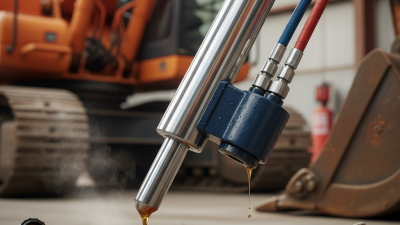
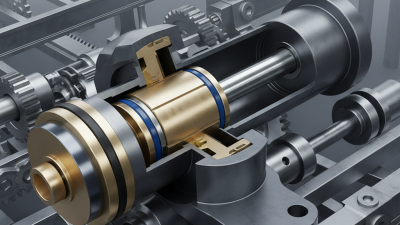
Choosing the right Hydraulic Cylinder Shaft can significantly impact the performance of your equipment. These components play a vital role in various machinery applications. They convert fluid power into mechanical energy, enabling movement in various industrial and mobile applications.
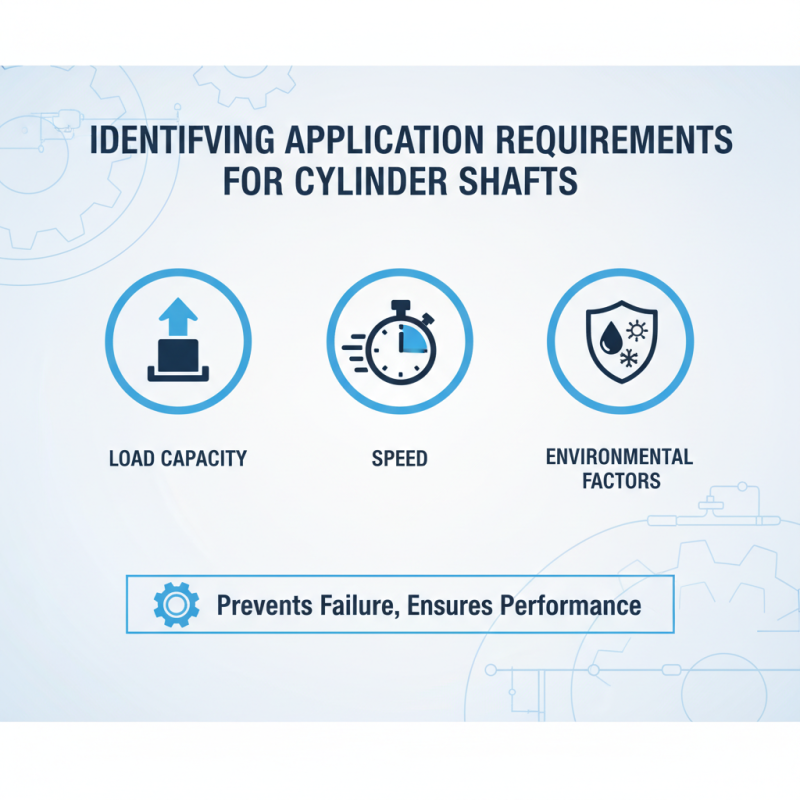
When selecting a Hydraulic Cylinder Shaft, consider the working environment and load requirements. Different materials and designs serve diverse applications. For instance, stainless steel shafts offer corrosion resistance, while hardened steel provides additional durability. However, balancing cost with quality can be challenging.
Moreover, ensure that the correct dimensions and specifications align with your machinery. A poorly chosen Hydraulic Cylinder Shaft can lead to inefficiencies and even equipment failure. It’s essential to ask questions and seek expert advice when needed. Making a thoughtful choice will yield better performance and reliability in the long run.
Understanding the Functionality of Hydraulic Cylinder Shafts
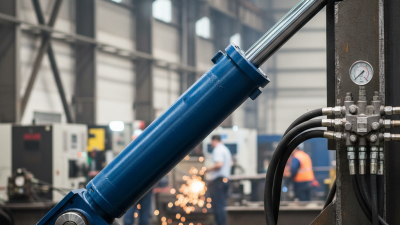
Hydraulic cylinder shafts play a crucial role in the functionality of hydraulic systems. They transfer power generated by pressurized hydraulic fluid into mechanical motion. This function is essential for various applications, including construction and manufacturing. A report from the International Fluid Power Society highlights that about 70% of all hydraulic failures stem from issues related to cylinder design and materials.
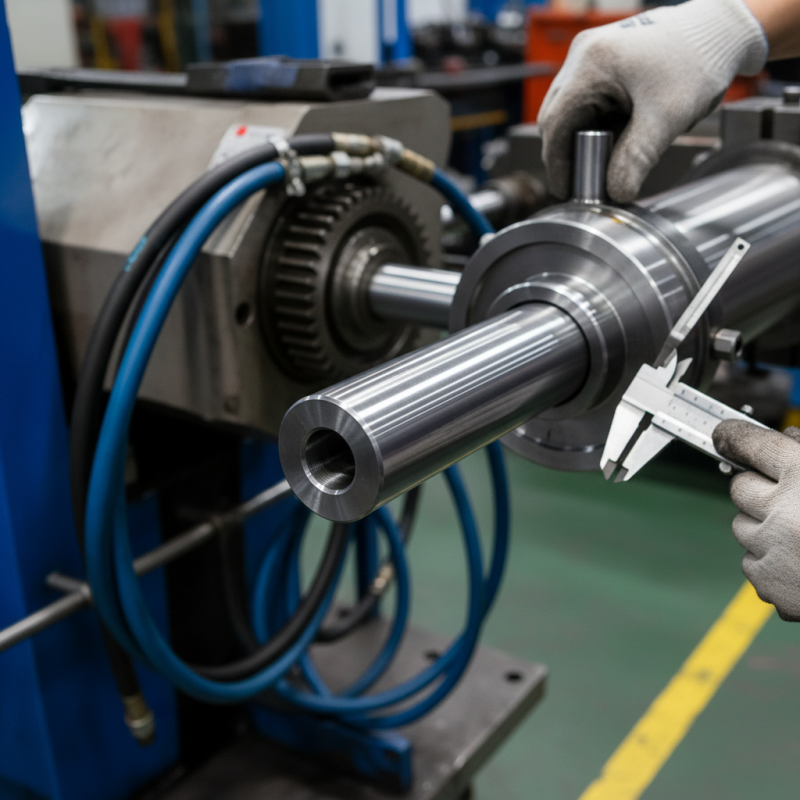
Choosing the right shaft involves understanding specific requirements. Length, diameter, and material must align with operational demands. For instance, a shaft’s diameter affects its load capacity. A larger diameter generally withstands greater forces. However, this also contributes to weight, potentially impacting efficiency. Many engineers report that balancing strength and weight is often challenging but necessary for optimal performance.
Corrosion resistance is another vital factor. In environments with moisture or chemicals, shafts made from stainless steel or treated materials are recommended. Yet, these options can increase costs. Some systems report failures due to inadequate corrosion protection, showcasing the need for careful selection based on environmental conditions. Therefore, while technical specifications matter, user experience and real-world conditions significantly influence the choice of hydraulic cylinder shafts.
Hydraulic Cylinder Shaft Selection: Key Factors
This chart illustrates key parameters to consider when choosing a hydraulic cylinder shaft, including diameter, length, material type, load capacity, and operating pressure. Each parameter plays a crucial role in ensuring the selected hydraulic cylinder shaft meets the specific needs of your application.
Evaluating Material Options for Durability and Performance
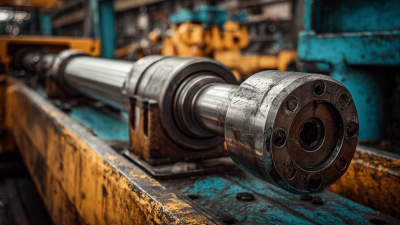
When selecting a hydraulic cylinder shaft, material choice is critical. Different materials offer varied durability and performance levels. Steel, for instance, is often prized for its strength. However, it may be prone to corrosion if not properly treated.
Aluminum, on the other hand, is lighter but can lack the same strength.
For harsh environments, stainless steel could be the right choice. It resists rust and damage better than regular steel. But it's often more expensive. Surprisingly, some applications benefit from composite materials. These can offer a good balance of weight and strength.
Ultimately, the right choice depends on your specific needs. Think about the environment. Are there chemicals present? What about temperature extremes? Each factor affects material performance. Choosing wisely can prevent future issues and additional costs. Weigh your options carefully.
Assessing Size and Load Capacity Considerations
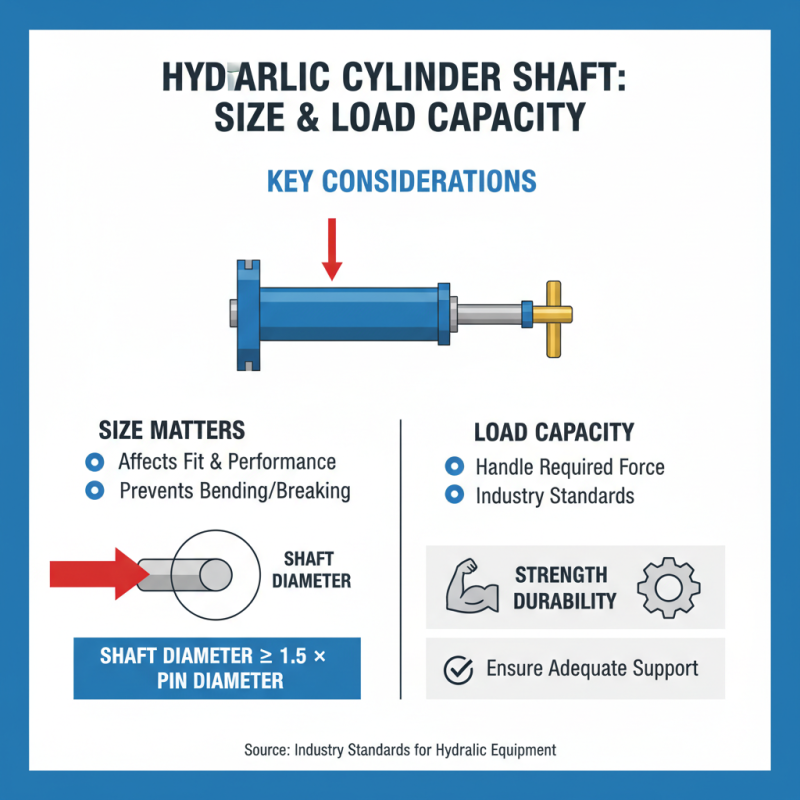
Choosing the right hydraulic cylinder shaft requires understanding size and load capacity thoroughly. Size affects fit and performance. It is crucial to ensure the shaft can handle the required force without bending or breaking. According to industry standards, a shaft’s diameter should be at least 1.5 times the diameter of the pin it connects to. This ratio ensures adequate strength and durability under load.
Load capacity differs based on material and design. High-strength steel can handle heavier loads compared to aluminum. Reports indicate that steel shafts can support loads upward of 20,000 pounds, while aluminum may only manage 5,000 pounds. Always consider the application's specific requirements when selecting the shaft.
**Tips:**
Selecting the right size is not just about measurements; consider the operational environment too. Temperature and corrosion can impact performance.
Don’t forget about weight distribution. Uneven loading can lead to premature shaft failure. Assessing these factors in details isn’t just helpful, it’s necessary for effective operations.
Choosing Between Standard and Custom Cylinder Shafts
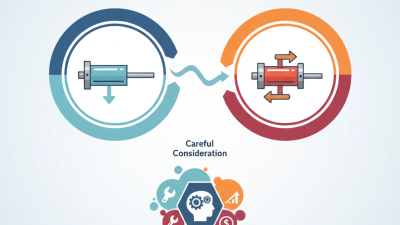
When selecting hydraulic cylinder shafts, the choice between standard and custom options can be pivotal. Standard shafts may be readily available and cost-effective. They come in various sizes and materials, typically designed for common applications. If your needs align with their specifications, this option can save time and resources. However, they may not fit every scenario precisely.
Custom cylinder shafts provide a tailored solution. They can meet specific requirements in length, diameter, and material. This option suits unique applications that standard designs can’t address. However, customization often requires longer lead times and higher costs. Some may rush into choosing a custom solution without fully analyzing their needs. This could lead to unexpected delays or budget constraints.
Understanding your project’s demands is crucial. List your specifications clearly before making a choice. Consider how the shaft will perform under different conditions. Reflecting on real-world scenarios can help. Maybe a standard option is adequate. However, if precision is key, put in the work for a custom solution. Balancing practicality and performance is essential in this decision.

 +86-13349293098
 Contact WhatsApp
 Contact Email