How to Choose the Right Hydraulic Oil Cylinder for Your Needs?
Choosing the right Hydraulic Oil Cylinder is crucial for optimal performance. Renowned expert, John Smith, once stated, "Selecting the appropriate cylinder can prevent costly downtime and improve efficiency." This insight underscores the importance of making informed decisions.
Hydraulic Oil Cylinders come in various sizes and specifications. Each application requires a specific type of cylinder to handle unique pressures and workloads. A cylinder that works for one project may not suit another. It's essential to evaluate the intended use thoroughly. Consider factors like load capacity, stroke length, and mounting style.
Moreover, many users overlook the importance of maintenance. Regular checks help identify leaks or wear, ensuring that the Hydraulic Oil Cylinder operates smoothly. A poorly chosen cylinder can lead to frequent repairs and increase overall costs. Understanding these elements will guide you toward the most suitable cylinder for your needs.
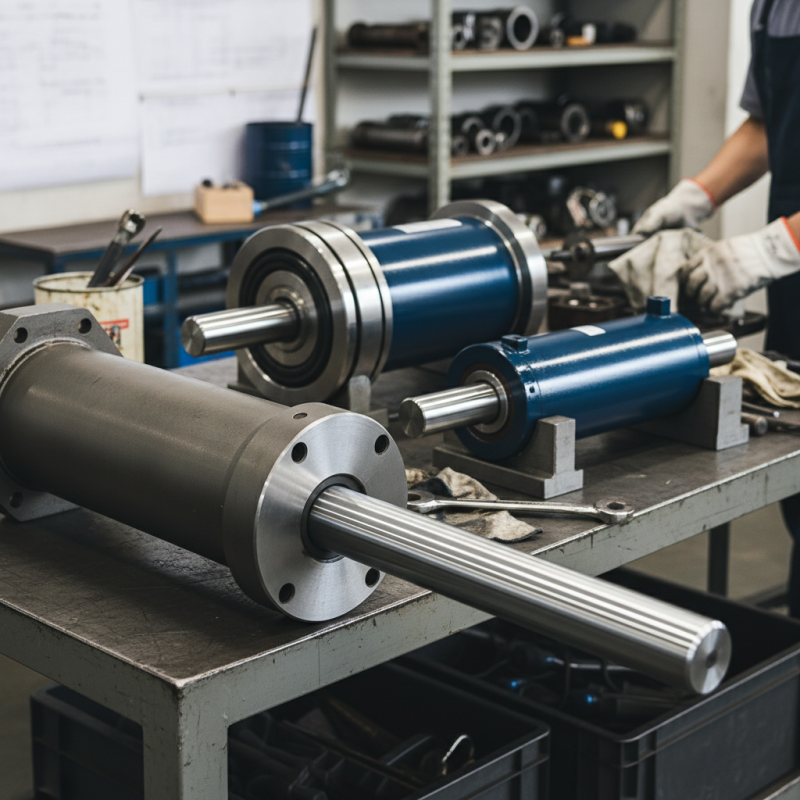
Factors to Consider When Selecting a Hydraulic Oil Cylinder
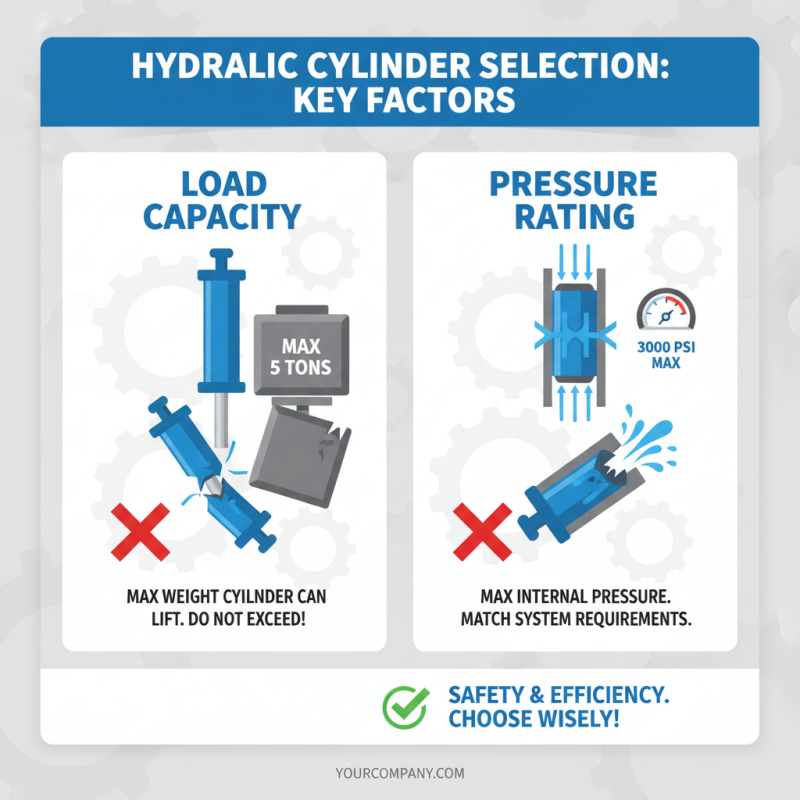
When selecting a hydraulic oil cylinder, several critical factors must be considered. For instance, the working pressure of the system is paramount. Industry standards suggest that operating pressures can range from 1,000 to 5,000 PSI.
Choosing a cylinder rated for higher pressures can enhance performance but may lead to increased costs.
Another important aspect is the cylinder's bore size. A larger bore can deliver greater force, which is particularly relevant for heavy lifting applications. According to hydraulic industry reports, the adoption of larger bore cylinders has increased by 15% over the past decade. This growth reflects a trend toward maximizing efficiency and power in hydraulic systems. However, larger cylinders can also occupy more space, which may pose installation challenges.
Fluid compatibility is also crucial. Hydraulic oils come with various specifications, and it’s essential to ensure that the cylinder materials are compatible with the chosen fluid. This factor deeply impacts maintenance and long-term performance.
Statistics indicate that approximately 30% of hydraulic failures relate directly to fluid and material incompatibility, underscoring the need for proper selection.
Ensuring that all elements align can prevent significant operational issues down the line.
Understanding Hydraulic Cylinder Specifications and Standards
When selecting a hydraulic oil cylinder, understanding specifications is crucial. Various standards define dimensions, materials, and performance metrics. Reports indicate that improper selections lead to decreased efficiency and increased maintenance costs. For instance, the International Organization for Standardization (ISO) provides guidelines on cylinder types and dimensions, ensuring compatibility across different systems.
The capacity of a hydraulic cylinder is influenced by its bore size and stroke length. A report from the National Fluid Power Association highlighted that proper sizing can enhance performance by up to 30%. However, many users underestimate the significance of cylinder speed and the operating pressure. Selecting a cylinder rated for higher pressure than necessary can lead to unnecessary costs.
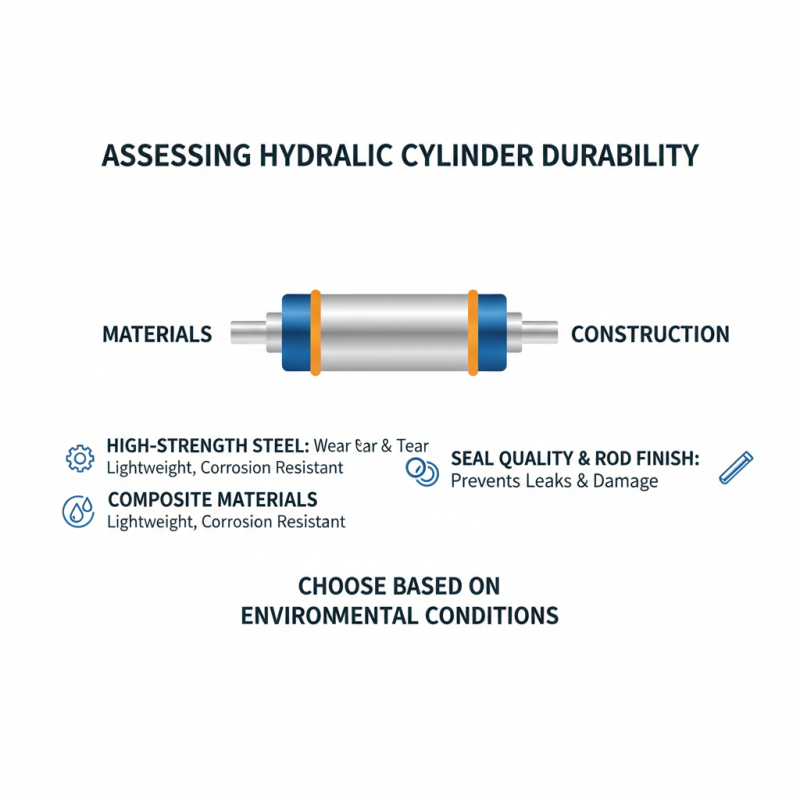
Moreover, materials used in the cylinder can affect longevity. Adhering to industry standards helps mitigate risks of corrosion or fatigue. Many cylinders face premature failure due to material choices that do not align with their operational environment. Evaluating environmental conditions before making a choice can prevent future operational issues.
How to Choose the Right Hydraulic Oil Cylinder for Your Needs?
| Cylinder Type |
Bore Diameter (mm) |
Stroke Length (mm) |
Max Pressure (bar) |
Material |
| Single-Acting Cylinder |
50 |
100 |
250 |
Steel |
| Double-Acting Cylinder |
63 |
200 |
300 |
Aluminium |
| Telescopic Cylinder |
80 |
150 |
200 |
Cast Iron |
| Rotary Cylinder |
40 |
90 |
150 |
Composite |
Maintenance Requirements and Performance Expectations for Hydraulic Cylinders
When selecting a hydraulic oil cylinder, understanding maintenance requirements is essential. Regular inspections can prevent issues that can lead to costly downtime. According to a report from the International Organization for Standardization (ISO), up to 30% of hydraulic system failures are due to inadequate maintenance. Simple preventive actions can significantly enhance performance and extend the lifespan of these cylinders.
Tips: Always check for leaks and unusual noises during routine inspections. These signs can indicate underlying problems that need immediate attention. Additionally, ensuring the correct oil type is used can prevent degradation and enhance functionality.
Performance expectations for hydraulic cylinders should align with your specific applications. Factors like load pressure and operating environment are critical. Research from the Hydraulic Institute shows that cylinders not optimized for their use can decrease efficiency by 25%. Notably, selecting the wrong material can result in premature wear.
Tips: Document your cylinder’s performance over time. Data-driven insights can reveal patterns and help identify potential issues early on. Monitoring temperature and pressure levels can also keep performance within desired ranges, ensuring longevity.
Hydraulic Cylinder Performance Metrics
This chart illustrates the key performance metrics of hydraulic cylinders, including load capacity, stroke length, operating pressure, and cycle time. Understanding these metrics is essential for choosing the right hydraulic oil cylinder for your needs.

 +86-13349293098
 Contact WhatsApp
 Contact Email