How to Choose the Right Slewing Circle Bearing for Your Project?
Choosing the right Slewing Circle Bearing is crucial for the success of any project. According to industry expert Dr. John Smith, “The right bearing can significantly enhance efficiency and performance.” This statement underscores the importance of making informed decisions when selecting these components.
Slewing Circle Bearings are essential in various applications, from construction cranes to wind turbines. They support heavy loads while allowing smooth rotational movement. Understanding the specific requirements of your project is vital. Consider load capacity, speed, and environmental factors, as they influence your choice.
Many manufacturers offer a range of Slewing Circle Bearings. However, not all are created equal. It's essential to research and consult with experts. Reliable advice can help avoid common pitfalls. Even small details, like lubrication types and mounting methods, can impact performance. A well-made bearing can make all the difference, but selecting the wrong one might lead to complications.

Understanding the Basics of Slewing Circle Bearings
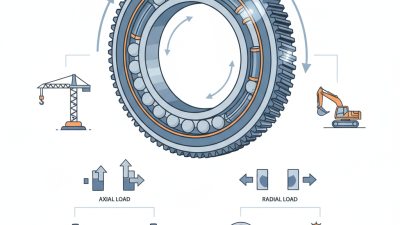
Slewing circle bearings are crucial components in various engineering projects. They provide the support and rotation needed in applications like cranes, excavators, and wind turbines. Understanding their design and function is essential for effective selection.
These bearings consist of an inner and outer ring with rolling elements in between. The arrangement of these elements allows for smooth movement under heavy loads. It's important to consider the load capacity and the conditions they will face. For instance, operating in harsh environments may require specific materials or seals.
Choosing the right bearing can often feel overwhelming. Many factors influence this choice, such as weight distribution and the intended use. A common oversight is underestimating the impact of operational speed. Additionally, incorrect sizing can lead to premature wear or failure. Addressing these details will enhance the longevity and performance of your machinery.
How to Choose the Right Slewing Circle Bearing for Your Project?
| Bearing Type |
Inner Diameter (mm) |
Outer Diameter (mm) |
Width (mm) |
Dynamic Load Rating (kN) |
Static Load Rating (kN) |
Weight (kg) |
| Single Row Slewing Bearing |
200 |
320 |
40 |
37.5 |
52.5 |
25 |
| Double Row Slewing Bearing |
300 |
450 |
50 |
68.5 |
95.0 |
60 |
| Three Row Roller Slewing Bearing |
400 |
600 |
80 |
110.0 |
150.0 |
90 |
| Four Point Contact Slewing Bearing |
250 |
380 |
60 |
45.0 |
65.0 |
30 |
Key Factors to Consider When Selecting a Slewing Circle Bearing
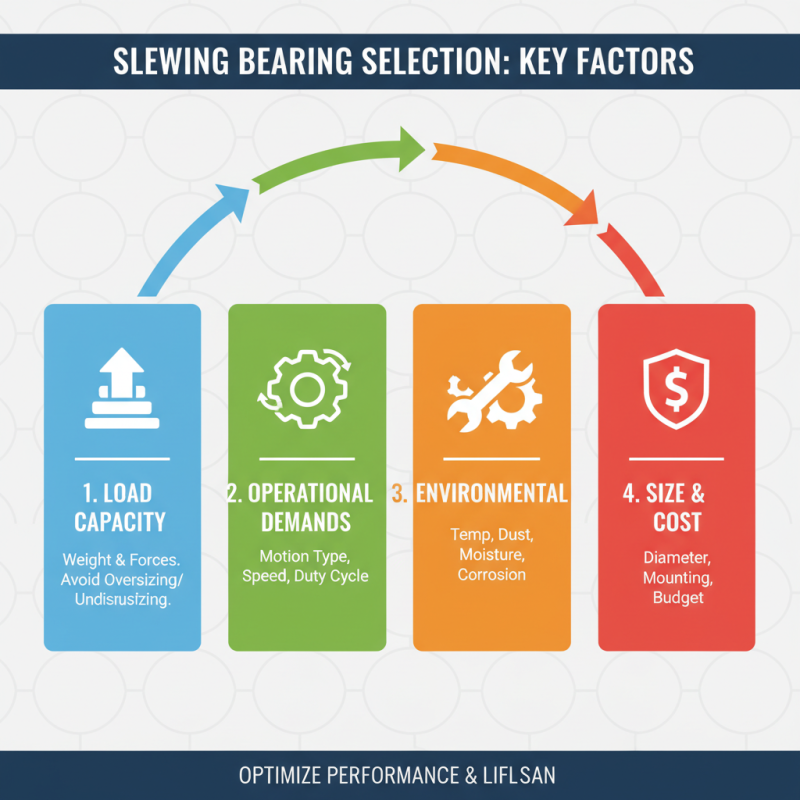
Choosing the right slewing circle bearing for your project requires careful consideration of several key factors. First, analyze the load capacity. Understand the weight and forces the bearing will endure. Oversized bearings may incur unnecessary costs. Conversely, undersized bearings could fail prematurely. Each application has unique demands, and understanding this is vital.
Next, think about the operating environment. Extreme temperatures or exposure to contaminants can affect performance. Corrosion resistance is essential in such cases. Additionally, the speed and frequency of operation matter. Bearings that operate at high speeds need specific materials and designs. These choices impact longevity and reliability.
Don’t overlook installation and maintenance ease. Some designs require specialized tools and skills for installation. This can lead to increased downtime during project execution. Proper maintenance routines should also be attainable. Complex setups may deter consistent upkeep. Evaluate all these details to find a balance between performance and practicality.
Different Types of Slewing Circle Bearings and Their Applications
When it comes to slewing circle bearings, understanding the types and their applications is vital. There are several types you may encounter. For instance,
single-row ball bearings are great for light loads. They provide smooth rotation but have limited weight capacity. On the other hand,
double-row ball bearings offer more stability. This type is suitable for heavier applications, like cranes and excavators.
Another common type is the roller bearing. Rollers distribute weight evenly, which minimizes wear. These bearings work well in industrial machinery and
large-scale equipment. However, they're not always the easiest to install or maintain, which can lead to frustration over time.
Many projects overlook the importance of load ratings. Each bearing type has its specifications, influencing performance under different conditions. You may find
yourself in a situation where one type seems ideal but falls short under specific loads or speeds. It's crucial to assess your project needs thoroughly before making a decision. The wrong choice
could have lasting consequences on efficiency and operation.
Evaluating Load Capacity and Performance Criteria for Bearings
When selecting a slewing circle bearing, load capacity is crucial. Understanding the weight and forces at play in your project is essential. Each bearing type has specific load limits. Exceeding these can lead to premature failure. For example, a bearing may work well under static loads but struggle with dynamic conditions. It's vital to assess how your application will use the bearing.
Another important factor is performance criteria. Evaluating speed, temperature, and environmental conditions can make a significant difference. Some bearings might perform poorly in high temperatures. Think about the materials used in the bearing. Corrosion resistance is also relevant for outdoor applications. If moisture is a concern, opting for a bearing with protective coatings may be necessary.
It’s important to reflect on possible challenges. While most selections will seem correct, real-world applications can unexpectedly differ. A bearing that performs well in one setting may not meet expectations in another. Regular maintenance checks will help identify early signs of wear. This proactive approach can extend the life of the bearing and improve overall performance.
This chart illustrates the load capacity of different slewing circle bearings classified by load type. Understanding these classifications is critical in choosing the right bearing for specific project requirements.
Maintenance Tips for Prolonging the Life of Slewing Circle Bearings
Maintaining slewing circle bearings is crucial for ensuring their longevity and performance.
Regular lubrication is one of the most vital maintenance tasks. According to industry reports, proper lubrication can increase the lifespan of these bearings by up to 30%. Using the right type of grease is essential. Select a lubricant that matches the operating temperature and load conditions.
Regular inspections can catch early signs of wear. Look for signs like unusual noises or vibrations. A study by the Bearing Manufacturer’s Association highlights that nearly 70% of bearing failures stem from inadequate maintenance. Keeping a detailed maintenance log can help track performance and identify issues before they escalate.
Operating conditions also play a significant role in bearing health. Dust, moisture, and high loads can lead to rapid deterioration. Employing seals can minimize the entry of contaminants. Investing in a quality sealing solution may seem costly upfront, but it can save on extensive repairs later. Every project is unique, so be flexible in your maintenance approach. Adjust strategies as conditions change.

 +86-13349293098
 Contact WhatsApp
 Contact Email