How to Choose the Best Wheel Lift Cylinder for Your Needs?
Choosing the right Wheel Lift Cylinder is essential for effective lifting solutions. Whether used in automotive shops or heavy machinery, these cylinders play a crucial role in functionality. Understanding your specific needs will help you make an informed decision.
One must consider factors like capacity, durability, and compatibility when selecting a cylinder. Each application has unique demands, and a mismatch can lead to performance issues. High-quality cylinders can enhance safety and efficiency, but they come at a price. Sometimes, budget constraints force users to compromise on quality, leading to potential regrets.
It's important to weigh the trade-offs carefully. Opting for a lesser-known brand may save money initially but could result in reliability problems down the line. Reliable information from experts or trusted sources can guide you. Remember, investing time in choosing the right Wheel Lift Cylinder will pay off in the long run.
Understanding Wheel Lift Cylinders: Types and Functions
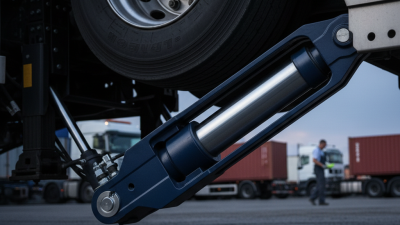
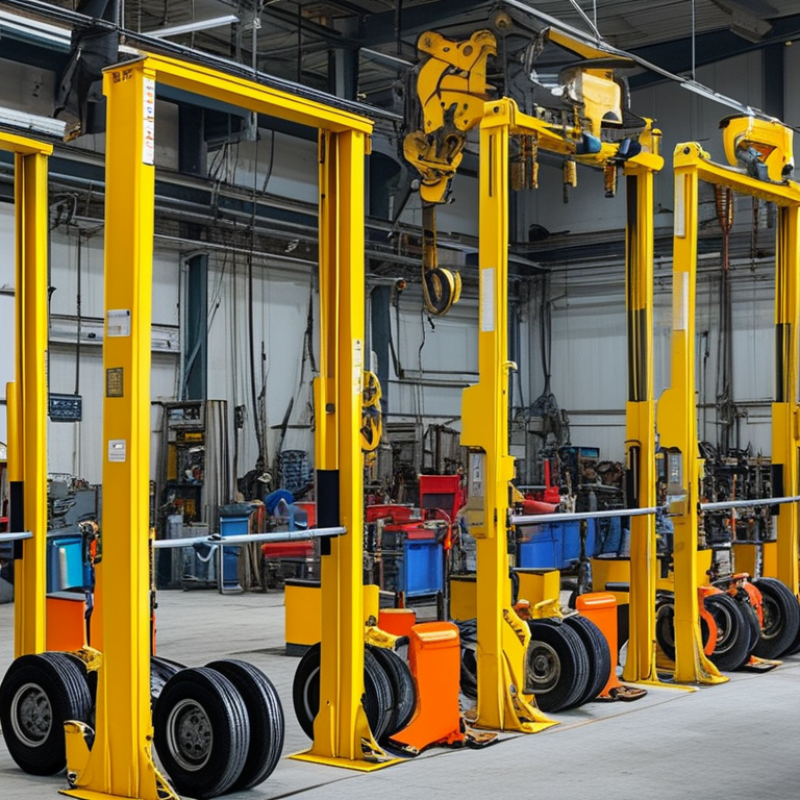
When selecting a wheel lift cylinder, understanding the different types is crucial. Wheel lift cylinders primarily serve to lift and support vehicles during maintenance or towing. Recognizing the function and load capacity of each type can significantly impact your workflow and safety.
For instance, fixed wheel lift cylinders are simple yet effective for standard vehicles. However, they may lack the flexibility needed for larger or heavier models. Adjustable cylinders, on the other hand, offer versatility. They can adapt to various vehicle sizes, making them a good choice for towing companies. Evaluate your needs carefully; it’s essential to know the weight capacity you frequently work with.
Tips: Regularly inspect your wheel lift cylinder for wear and tear. Ensure that your equipment matches your vehicle mix. When in doubt, consult with a professional or an experienced user to gain insights. Relying solely on online reviews without firsthand experience could lead to substantial mistakes. Balancing personal experience with expert advice will help you make a more informed decision.
Assessing Load Capacity and Performance Requirements
When selecting a wheel lift cylinder, load capacity is critical. The load capacity indicates the maximum weight the cylinder can manage. According to recent industry data, it's essential to match this capacity with operational demands. A cylinder with a 5-ton capacity may suffice for light jobs. However, for heavier applications, a 10-ton rating is often necessary. Miscalculating this can lead to equipment failure or safety hazards.
Performance requirements also play a significant role. Consider the speed of lift and cycle time. Some cylinders can lift a vehicle in just 30 seconds, while others might take longer. Industry reports reveal that higher efficiency can reduce downtime and improve workflow. Look for specifications detailing operating pressure and performance consistency. It's crucial to assess if the cylinder can maintain performance under constant use. This prevents breakdowns and costly repairs.
Real-world testing can reveal inconsistencies that specifications may not cover. Feedback from experienced operators is invaluable. They can highlight issues not evident in data sheets. Balancing load capacity and performance ensures the right choice. Sometimes, the most reliable option isn't the most powerful one. Striking a balance between capability and performance can lead to better long-term investment.
Key Features to Consider When Selecting a Wheel Lift Cylinder
When choosing the right wheel lift cylinder, a few vital features should be prioritized. The cylinder's load capacity is one crucial factor. Standard load ratings can range from 2,000 to 10,000 pounds. Selecting a cylinder that can handle your vehicle's weight is essential for safety. A report from the Automotive Lift Institute indicates that improper weight handling contributes to 55% of lift-related accidents.
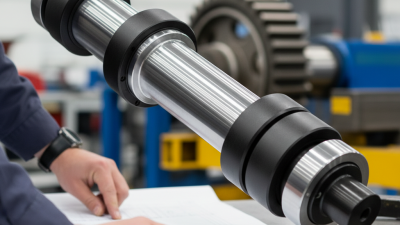
Another important aspect is the cylinder's construction material. Most professional cylinders are made from high-grade steel, ensuring durability and strength. Corrosion resistance is also critical, affecting the product's lifespan. According to a survey by the Machinery and Equipment Association, materials significantly influence maintenance costs, with over 40% of operators reporting corrosion as a common issue.
Lastly, the ease of installation and operation cannot be overlooked. User-friendly designs can save time and reduce frustration. Some cylinders feature quick-connect systems, promoting efficiency. However, not all models offer this convenience, which can lead to operational hiccups. Ensuring compatibility with your lift system is also a common area for reflection before making a selection.
Evaluating Quality and Durability of Wheel Lift Cylinders
When selecting a wheel lift cylinder, evaluating quality and durability is crucial. High-quality materials and construction lead to enhanced performance. According to industry reports, cylinders made from hardened steel or high-grade aluminum exhibit superior strength. This ensures better resistance to wear and tear during heavy lifting operations.
It's essential to consider the load capacity of the cylinder. A low-capacity cylinder may falter under pressure, leading to accidents. Reports indicate that cylinders with a higher capacity often utilize thicker walls for added strength. Look for detailed specifications and compare them against industry standards.
Tips: Always check for certifications. Quality-tested products usually come with documentation. Regular maintenance can also extend the life of your cylinder. Rust and corrosion are common issues that can compromise performance. Prioritize a cylinder with a protective coating for better longevity. Understanding these aspects helps in making an informed choice.
Cost Considerations and Budgeting for Your Purchase
When budgeting for a wheel lift cylinder, understanding costs is crucial. Prices can vary significantly based on factors like size, capacity, and materials. Basic models might start around a few hundred dollars, while advanced options can exceed a thousand. This disparity often reflects quality and durability, so think about what you really need.
Consider potential ongoing expenses too. Installation costs, maintenance, and replacement parts add up. You might find a cheaper cylinder initially, but long-term expenses can outweigh the savings. Researching average lifespan and warranty details can help assess reliability.
While it's tempting to stick to a tight budget, investing in a quality product can prove wise. Reflect on your specific requirements. Have you considered how often you'll use it? If you're in a high-demand setting, opting for a more durable cylinder could save money over time.
Always weigh your options carefully and think about your particular situation.

 +86-13349293098
 Contact WhatsApp
 Contact Email