How to Choose the Right Hydraulic Lift Cylinder
Choosing the right Hydraulic Lift Cylinder begins with the work it must perform, not its catalog price. A machine lifting a loaded platform needs more than enough force on paper. Its cylinder must also fit the available space, withstand operating pressure, and move reliably through repeated cycles. Small mismatches can cause slow movement, uneven lifting, or premature seal wear. Details matter.
Grand View Research’s Hydraulic Cylinder Market report estimates that the global market was valued at USD 14.3 billion in 2023, with projected growth from 2024 to 2030. This market context reflects broad demand across construction, agriculture, and material handling. It does not, however, identify the right cylinder for a specific machine. That choice depends on load, stroke length, mounting style, fluid, duty cycle, and environmental conditions. ISO 6020-2 and ISO 6022 also provide dimensional guidance for certain hydraulic cylinders, helping buyers check compatibility rather than relying on appearance alone.
Start with the actual load and the system’s working pressure. Then compare bore size, rod diameter, stroke, retracted length, and mounting points. Check side loading, too. It is easy to overlook. A cylinder designed for straight-line force may wear quickly when a linkage applies lateral force. Consider seals, corrosion exposure, service access, and replacement availability before purchase. There is no universal best cylinder; that sounds obvious, yet it is often missed. The sections ahead explain how to evaluate these factors, ask suppliers useful questions, and choose a Hydraulic Lift Cylinder suited to real operating conditions.
Define the Lift Application and Operating Requirements
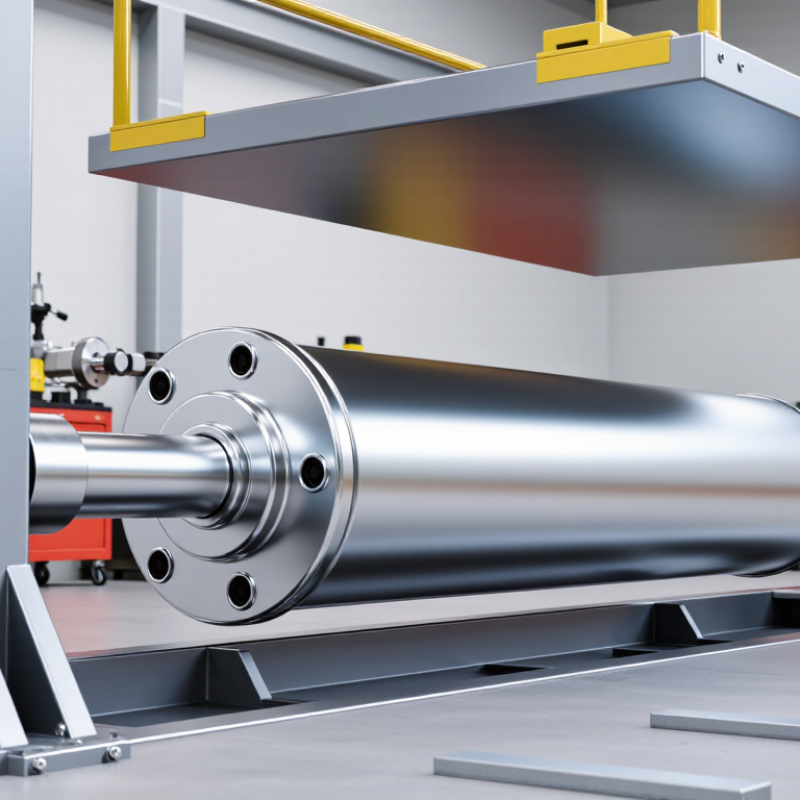
Define the lift application before comparing cylinder bore or stroke. Record the moving load, including the platform, attachments, and any material added during operation. A 500-kilogram payload is not the full load if the carriage and tooling add another 180 kilograms. Measure the required travel, lift speed, cycle frequency, and time spent holding the load. Check the mounting geometry, too. A cylinder designed for axial force may wear quickly when the linkage pushes sideways. Measure the real load. Note temperature, moisture, dust, and available hydraulic pressure at the cylinder—not only the pump’s rated pressure.
Operating conditions also shape risk. OSHA’s powered industrial truck safety materials estimate that these vehicles are involved in about 85 fatal accidents and 34,900 serious injuries each year. Those figures are not cylinder-failure statistics, but they show why lift stability and controlled movement deserve attention. ISO 4413:2010 sets general safety requirements for hydraulic fluid power systems, including system design and protection against foreseeable hazards. Use it alongside the equipment’s own requirements. Check duty cycle, rod buckling at full extension, and the consequences of a hose or power failure. A neat specification sheet can still miss a rough, uneven loading pattern. Recheck assumptions against actual use.
Compare Hydraulic Cylinder Types and Configurations
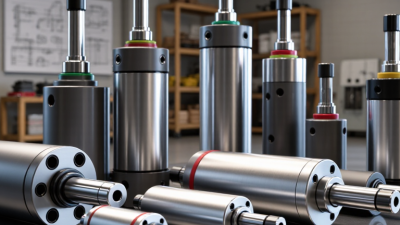
When comparing hydraulic cylinder types, begin with the lift’s movement and available space. A single-acting cylinder uses hydraulic pressure to extend, then relies on gravity or a spring to retract. It can suit a simple vertical platform. A double-acting cylinder uses fluid pressure in both directions, offering more controlled retraction. That control matters. It may also require additional hydraulic connections and system capacity.
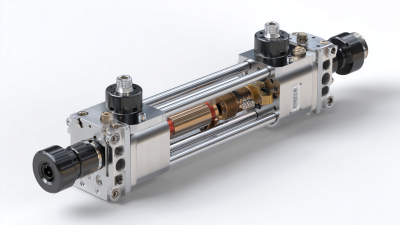
Cylinder construction changes the fit. Welded-body cylinders are often compact, while tie-rod designs can be easier to service in some applications. Telescopic cylinders use nested stages to provide a long stroke from a short collapsed length. They can solve tight packaging problems, but their stages need careful support and maintenance. More reach means more to assess.
Mounting configuration deserves equal attention. Clevis and trunnion mounts allow pivoting, while flange mounts hold the cylinder more rigidly. Match the mount to the lift’s path so the rod does not take side loads. Check stroke, retracted length, load, pressure, and duty cycle against the actual machine—not just a drawing. A tidy specification can still miss a real-world issue: uneven loading, dirt around the rod, or a frame that flexes under load. The best choice depends on those details.
How to Choose the Right Hydraulic Lift Cylinder
Compare cylinder types and configurations using ideal force calculations at an example operating pressure of 160 bar. Actual force depends on system pressure and cylinder dimensions; friction and other losses are not included.
How to read this chart: Extension force is calculated from pressure multiplied by the full piston area. Double-acting cylinders also provide hydraulic retraction force, calculated using the rod-side annular area. A single-acting cylinder is not hydraulically powered on its return stroke.
Evaluate Mounting, Materials, and Environmental Conditions
A hydraulic lift cylinder should match the machine’s mounting geometry, not just its stroke and rated force. Measure pin diameters, center-to-center distance, and available clearance through the full lift arc. A clevis mount allows some pivoting, while a rigid flange may transfer unwanted stress if alignment is poor. Watch for side loading. Even slight misalignment can wear seals and score the rod over time. A drawing may look right, but movement under load can reveal a problem.
Material choices depend on both the hydraulic fluid and the surroundings. The rod needs a surface that resists wear and corrosion; the barrel and fittings must suit the operating pressure and fluid. Seal material matters, too. Heat can harden some seals, while incompatible fluid may swell them. Check the fluid specification and the cylinder maker’s temperature range before selecting parts. Small details count.
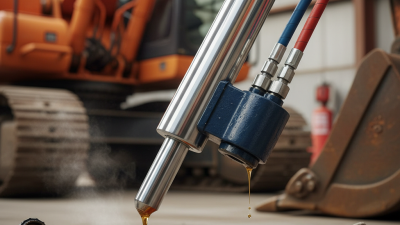
Consider the actual worksite. Dust around a loader, salty air near a coast, and frequent washdown each create different risks. A protective rod coating or suitable wiper can help keep grit away from the seal. In cold conditions, thicker fluid may slow movement at startup. These choices involve trade-offs, and a specification sheet cannot capture every exposure. Record the temperature range, duty cycle, and cleaning method, then confirm the selection with a qualified hydraulic engineer.
Verify System Compatibility, Safety, and Maintenance Needs
How to Choose the Right Hydraulic Lift Cylinder
Verify that the cylinder matches the system’s working pressure, available flow, and hydraulic fluid. Check the lift’s required stroke and retracted length against the space around the frame. A cylinder that fits on paper may still interfere with a hose or crossmember when fully extended. Small details matter. Confirm mounting-pin diameters and alignment, too. Side loading can wear seals and bend a rod, even when the rated lifting capacity seems adequate.
Safety depends on more than cylinder capacity. Compare the load with the lift’s rated capacity, and account for uneven weight distribution. Check that the system has suitable pressure protection and that the lift’s mechanical safety supports engage as intended. Never rely on hydraulic pressure alone to hold a raised load during inspection or maintenance. If specifications are unclear, pause and ask a qualified hydraulic technician to verify them. Guessing is not a useful shortcut.
Tips: Before installation, inspect the rod for scratches and the ports for debris. Keep the cylinder clean, route hoses away from pinch points, and follow the equipment maker’s service schedule. Record leaks, unusual noises, or slow lifting; these can signal wear or contamination. Maintenance plans are easy to postpone, which is precisely why a simple inspection log helps.
 +86-13349293098
 Contact WhatsApp
 Contact Email