Leave Your Message

How to Choose the Best Backhoe Cylinder?

Choosing the right Backhoe Cylinder affects digging force, control, uptime, and repair costs. A mismatched cylinder may look suitable, yet fail under real jobsite pressure. The correct choice begins with the machine’s model, operating weight, hydraulic pressure, and attachment requirements.

Measure carefully. Confirm the bore diameter, rod diameter, stroke length, retracted length, and mounting dimensions. A cylinder with the wrong stroke can limit bucket movement or damage nearby components. The rod should resist bending during uneven excavation. Heavy clay, gravel, and demolition debris require stronger construction than light landscaping work. Small details matter.

Seal quality matters greatly.

Experienced technicians also inspect the hydraulic system before ordering a replacement. Contaminated oil, excessive pressure, or worn pins can damage a new cylinder quickly. Chrome-plated rods, hardened bushings, reliable seals, and corrosion protection support longer service life. However, premium materials do not solve poor installation or neglected maintenance.

OEM specifications provide a dependable reference, but they are not always the only option. A qualified aftermarket Backhoe Cylinder can perform well when its dimensions, pressure rating, materials, and testing standards match the machine. Ask for clear documentation, pressure-test results, warranty terms, and technical support. Supplier reputation matters more than attractive pricing.

I have seen buyers focus on bore size and overlook mounting alignment. That mistake can create side loading and uneven seal wear. It is easy to miss. Before making a decision, compare the cylinder with the machine manual and inspect the existing unit. The best choice balances performance, fit, durability, availability, and realistic working conditions. A careful selection today can prevent a costly failure tomorrow.
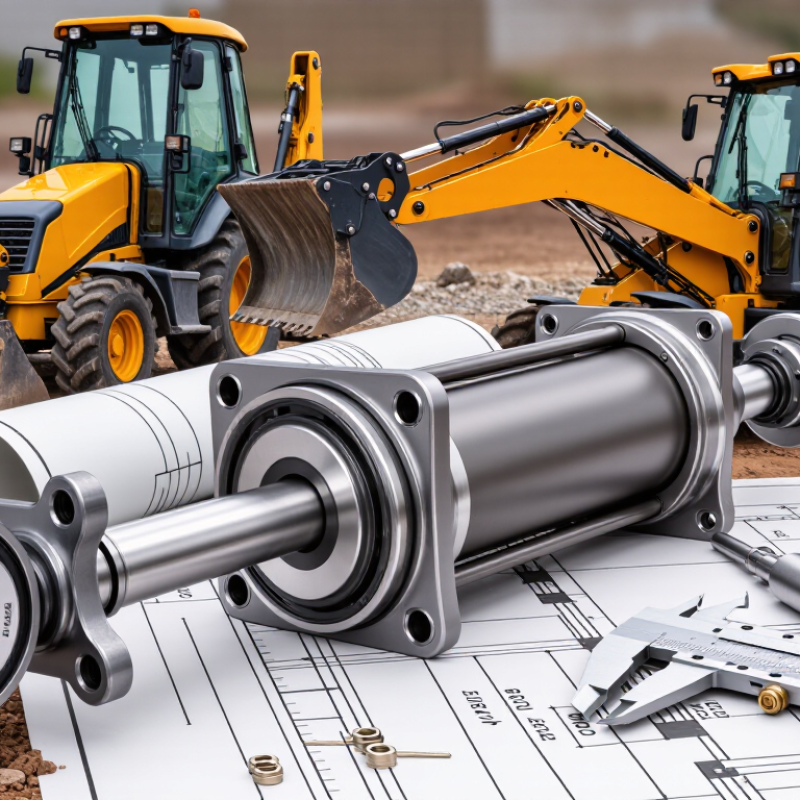
How to Choose the Best Backhoe Cylinder?

Define Load, Stroke, and Duty Cycle Before Selecting a Backhoe Cylinder

How to Choose the Best Backhoe Cylinder?

Define Load, Stroke, and Duty Cycle Before Selecting a Backhoe Cylinder

When choosing a backhoe cylinder, define the working load before comparing dimensions. The bucket may handle soil, rock, or wet clay, each creating different resistance. Use the heaviest realistic load, then account for linkage angle and hydraulic pressure. A neat calculation can still mislead. At a poor angle, a large cylinder may produce surprisingly little breakout force. Check the bore, rod diameter, pin spacing, and mounting alignment against measured machine data.

Stroke must match the movement, not simply the old rod length. Measure the closed and extended center-to-center distances. Then verify bucket curl, boom reach, and clearance at both endpoints. Too little stroke reduces digging depth. Too much stroke can force the linkage into a hard stop. That impact may damage pins, welds, or seals. Leave practical clearance, even when catalog numbers look convenient.

Duty cycle describes how often and how harshly the cylinder works. A machine digging continuously needs stronger seals, suitable rod protection, and enough cooling capacity. Intermittent landscaping work may require less endurance, but contamination still matters. Inspect hydraulic cleanliness, rod condition, and mounting wear before final selection. Field measurements often reveal assumptions that drawings hide. A perfect specification sheet does not replace a controlled test under real load. Recheck the dimensions after installation, because small alignment errors can become expensive failures.
Match Bore and Rod Diameters to 3,000–5,000 psi System Pressure

How to Choose the Best Backhoe Cylinder?

Match Bore and Rod Diameters to 3,000–5,000 psi System Pressure

A backhoe cylinder must match the machine’s real working pressure, not only its advertised rating. A 3,000 psi system produces about 207 bar, while 5,000 psi reaches nearly 345 bar. ISO 6020/2 commonly covers 160-bar hydraulic cylinders, while ISO 6022 addresses 250-bar service. Therefore, a high-pressure backhoe application needs stronger construction and verified pressure margins.

Bore diameter controls pushing force. At 3,000 psi, a 4-inch bore can produce about 37,700 pounds of theoretical force. Friction, temperature, seal wear, and pressure losses reduce that result. Rod diameter controls retraction force and resistance to bending. A long, thin rod may buckle under a heavy bucket load, even when the bore appears adequate. My field experience suggests checking rod slenderness before increasing bore size. Bigger is not always safer.

Tips: Confirm continuous pressure, relief-valve settings, stroke length, mounting alignment, and load direction. Use manufacturer test data or a certified cylinder calculation. ISO 6022 lists design requirements, but it does not replace application testing. I would also inspect the old rod for scoring and side-load marks; these details often reveal alignment problems. Some sizing decisions remain uncertain without measured pressure data.

Choose Seals and Materials for Operating Temperatures of −20°C to 100°C

How to Choose the Best Backhoe Cylinder?

Choose seals and materials for operating temperatures of −20°C to 100°C. Temperature changes the seal before pressure does. A cold morning can stiffen elastomers and increase starting friction. A hot hydraulic circuit can soften them, accelerate wear, and reduce sealing force. Measure fluid temperature near the cylinder port, not only ambient air. That detail is often missed.

For general mineral hydraulic oil, polyurethane rod seals offer strong abrasion resistance. Nitrile rubber suits many standard applications between approximately −30°C and 100°C. Fluorocarbon rubber handles higher heat, but it may perform poorly in cold conditions.

PTFE backup rings can reduce extrusion under pressure. SAE J200 classifies elastomers by heat and fluid resistance. ASTM D471-16(2021) reports material changes through percentage volume variation after fluid exposure. Ask suppliers for these test results.

ISO 3601-5:2015 defines quality requirements for O-rings, including surface defects and dimensional acceptance. Use compatible wipers, rod seals, piston seals, and wear rings as one system.

A seal rated at 100°C may fail during short thermal spikes. I would not trust a catalog range without checking pressure, speed, fluid, and contamination.

The wrong compound can look acceptable during a bench test, then leak after a frozen overnight start. Field temperature logs are worth collecting. Uncertainty remains part of the selection.

Verify ISO 6020/2 Dimensions, Mountings, Pin Sizes, and Retracted Length

How to Choose the Best Backhoe Cylinder?

A reliable backhoe cylinder starts with dimensional verification, not appearance. ISO 6020/2 defines medium-duty hydraulic cylinder dimensions and a nominal working pressure of 160 bar. Confirm the bore, rod diameter, stroke, and mounting style against the machine’s service manual. A few millimeters can change digging force, alignment, and seal loading. Measure the original cylinder fully extended and retracted. Do not rely on a catalog sketch alone.

ISO 6020/2 Medium-duty hydraulic cylinder dimensions and a nominal working pressure of 160 bar.

Mountings need equal attention. Compare clevis width, pin diameter, pin spacing, and grease access. The replacement pin should fit smoothly without side play. Check the retracted length before ordering. If it is longer, the boom or bucket may contact the frame. If it is shorter, the attachment may lose useful travel. Grand View Research reported that construction was the largest end-use segment in the hydraulic cylinders market in 2023. That demand reflects harsh, repeated duty, not permission to ignore tolerances.

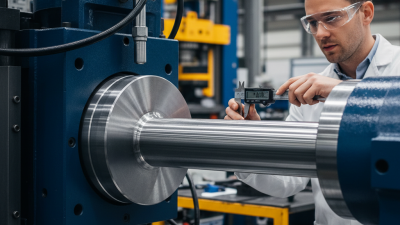
Tips: Photograph every mounting point before removal. Use a caliper for pin sizes. Record measurements twice. Inspect worn bushings first. I have seen a correct-looking cylinder fail because the clevis was offset by only a few millimeters. That mistake is easy to make. It is also preventable. Verify port position, hose clearance, rod coating, and retracted length together. A spreadsheet helps, although field notes can still be incomplete. Be honest about uncertainty, and ask the cylinder manufacturer for a certified dimensional drawing before installation.

Compare Cycle Life, Leakage Limits, Corrosion Protection, and Warranty

How to Choose the Best Backhoe Cylinder?

A backhoe cylinder should match the machine’s workload, not just its bore and stroke. Cycle life matters because repeated digging creates heat, pressure spikes, and seal wear. Ask for test results under load, temperature, and side-load conditions. A cycle figure without these details is difficult to trust.

I once compared two cylinders with identical dimensions; the cheaper unit showed rod scoring much earlier than expected.

Leakage limits deserve close attention. Request the permitted internal bypass rate and external seal leakage at working pressure. A dry rod after repeated operation is a practical sign, but it is not a complete test. Check whether measurements apply when the oil is cold, hot, or contaminated. Corrosion protection also affects service life. Look for hardened chrome on the rod, protected weld zones, and documented salt-spray testing. Some coatings looked impressive in storage but failed after muddy field use.

Tips:

Compare identical test conditions. Read every warranty exclusion. Confirm replacement seal availability. Record pressure and temperature during inspection. Warranty length is useful, but coverage details matter more. Check whether it includes seals, rod damage, labor, and transport. A long warranty may exclude high-cycle applications, poor maintenance, or contaminated oil. That limitation is easy to miss. Ask for inspection intervals and written acceptance limits before purchase. Then have a technician verify mounting alignment, because even a strong cylinder can wear quickly when the pins are misaligned.