What is a Hydraulic Lift Cylinder and How Does It Work?
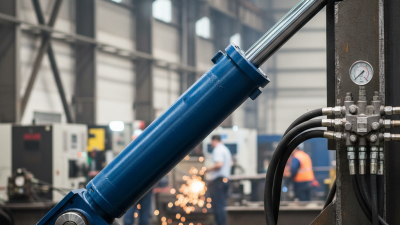
A Hydraulic Lift Cylinder is an essential component in various lifting applications. It operates using fluid pressure to create motion. These cylinders are widely used in construction, automotive, and manufacturing sectors. Their design allows for efficient lifting and lowering of heavy loads.
Understanding Hydraulic Lift Cylinders is vital for industries that rely on heavy machinery. The efficiency of these cylinders depends on proper maintenance and optimal hydraulic fluid levels. Many users overlook routine checks, leading to potential malfunctions. This neglect can result in minor failures or significant safety risks.
Moreover, the performance of a Hydraulic Lift Cylinder can vary based on environmental factors. Temperature and fluid quality directly impact effectiveness. Users often need to reflect on their maintenance practices and adjust them accordingly. By doing so, they ensure reliable operation and longevity of the equipment. The balance between efficiency and safety is crucial in every application.
What Is a Hydraulic Lift Cylinder? Definition and Overview
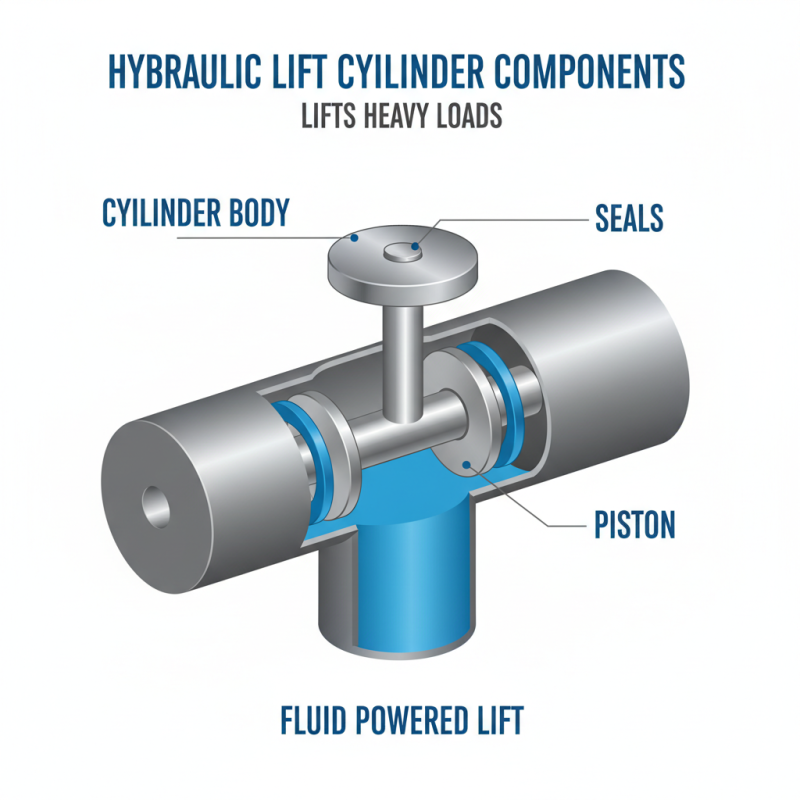
A hydraulic lift cylinder is a crucial component in various machinery. Its primary function is to lift or lower heavy loads using hydraulic fluid. The cylinder operates on Pascal's principle, which states that pressure applied to a confined fluid is transmitted uniformly in all directions. A typical cylinder consists of a cylindrical chamber, piston, and ports for hydraulic fluid. When the fluid is pumped into the cylinder, it pushes the piston, resulting in significant lifting power.
In industrial applications, hydraulic lift cylinders can lift weights exceeding thousands of pounds. According to industry reports, the global hydraulic cylinder market was valued at approximately $13 billion in 2021, with expectations of reaching $21 billion by 2028. This growth indicates the increasing demand for efficient lifting solutions across various sectors, from construction to manufacturing.
Tips: Always check the cylinder’s load capacity before use. Overloading can lead to dangerous failures. Regular maintenance is essential for optimal performance and safety. Inspect seals and hydraulic fluid levels frequently to prevent breakdowns. Remember, understanding hydraulic systems can help you identify issues before they escalate.
What is a Hydraulic Lift Cylinder and How Does It Work?
| Dimension |
Description |
Typical Range |
| Bore Diameter |
The internal diameter of the cylinder where hydraulic fluid acts |
30 mm to 300 mm |
| Stroke Length |
The maximum distance the piston can move within the cylinder |
100 mm to 2000 mm |
| Operating Pressure |
The pressure of hydraulic fluid used to operate the cylinder |
50 bar to 350 bar |
| Fluid Type |
The type of hydraulic fluid used to transmit power |
Mineral oil, water-based fluids, and bio-degradable fluids |
| Mounting Type |
The way the cylinder is secured to the machinery |
Clevis, trunnion, and flange mounts |
Principle of Operation: How Hydraulic Pressure Powers Lift Cylinders
Hydraulic lift cylinders are essential components in various machinery. They operate based on the principle of hydraulic pressure. When hydraulic fluid is pumped into the cylinder, it creates pressure. This pressure pushes a piston inside the cylinder. As the piston moves, it lifts the load attached to it.
The beauty of hydraulic systems lies in their efficiency. A small amount of fluid can lift a significant weight. However, things aren't always perfect. If there is a leak in the system, the efficiency drops. Leaks are often hard to detect at first. Regular inspection is necessary to maintain optimal performance.
Understanding hydraulic pressure's role helps improve these systems. Pressure calculation is vital for safe operation. If the pressure is too high, it can lead to catastrophic failure. Users must be aware of their system's limitations. Potential hazards should not be overlooked. Proper training and awareness are key for anyone working with hydraulic lifts.
Hydraulic Lift Cylinder Operation Pressure Chart
This chart displays the hydraulic pressure levels (in Psi) for five different hydraulic lift cylinders. Each bar represents the pressure generated during operation, which is essential for the lifting mechanism to function effectively.
Applications of Hydraulic Lift Cylinders in Various Industries
Hydraulic lift cylinders play a crucial role in various industries. They are widely used in construction, manufacturing, and transportation. These machines lift heavy loads effortlessly and efficiently. For example, in construction, hydraulic lift cylinders help elevate scaffolding and heavy equipment. They ensure that workers can reach higher elevations safely. Without these lift cylinders, tasks could take longer and involve more risks.
In the automotive sector, hydraulic lift cylinders assist in car repairs and maintenance. Mechanics use hydraulic lifts to raise vehicles, making it easier to access their undercarriages. This efficiency speeds up repair times, allowing garages to serve more customers. Similarly, in warehouses, hydraulic lift systems facilitate the movement of goods. Forklifts equipped with hydraulic cylinders lift pallets quickly. This reduces manual labor and streamlines operations.
However, reliance on hydraulic lift cylinders isn’t free of challenges. Issues can arise from wear and tear, causing potential failures. Maintenance is essential to prevent accidents. In some cases, pressure loss hampers lifting capabilities. Regular checks help ensure safety and efficiency in operations. The importance of hydraulic lift cylinders cannot be overlooked, even with minor setbacks.
Benefits and Limitations of Using Hydraulic Lift Cylinders
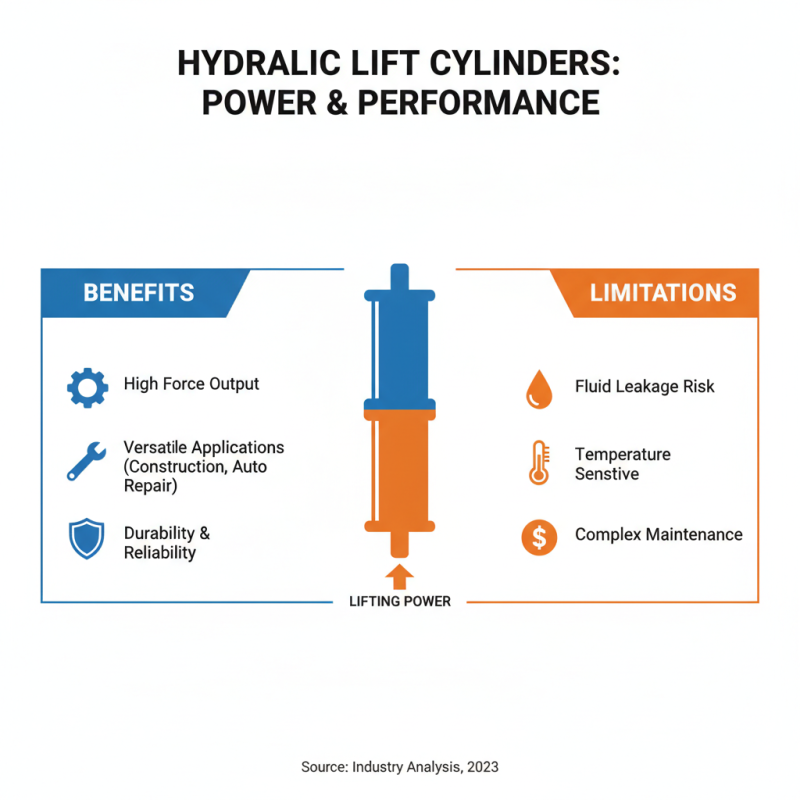
Hydraulic lift cylinders provide powerful lifting capabilities. They are widely used in various applications, from construction to automobile repair. However, they come with both benefits and limitations.
One significant benefit is their impressive load capacity. Hydraulic systems can lift heavy weights with ease. This makes them ideal for industrial settings. They also allow precise control of the lifting process. Operators can adjust the speed of the lift as necessary.
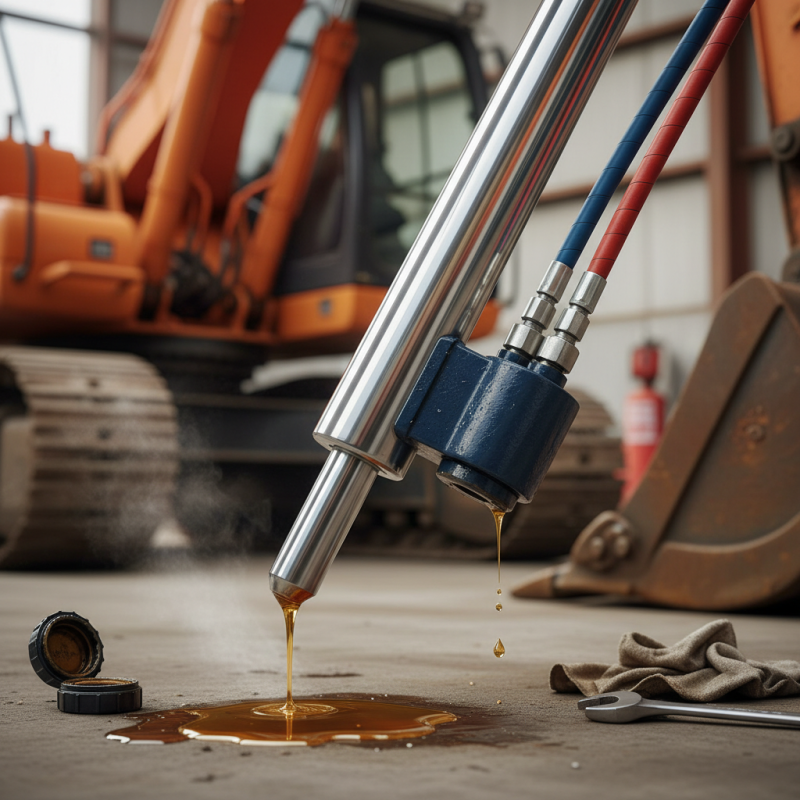
Yet, there are limitations too. Hydraulic fluid can leak, causing failures. Maintenance is essential to ensure operational efficiency. If not maintained, systems may lead to unexpected downtime.
**Tip:** Regularly inspect hydraulic connections for leaks. This could save you from larger repair costs.
Another drawback is the dependency on hydraulic fluid. If the system runs low, it can fail to operate completely. The weight of the fluid can also impact productivity.
**Tip:** Keep a close eye on fluid levels to avoid disruptions.
In short, hydraulic lift cylinders offer great benefits. But, be aware of their limitations. With proper maintenance, they can be reliable tools.

 +86-13349293098
 Contact WhatsApp
 Contact Email