Top 10 Hydraulic Lift Cylinder Benefits for Global Buyers?
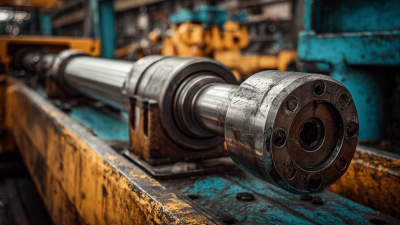
Hydraulic Lift Cylinders play a crucial role in various industries, including construction, manufacturing, and automotive. According to a report by MarketsandMarkets, the global hydraulic cylinder market is expected to reach $14.9 billion by 2025, growing at a CAGR of 5.3%. This growth highlights the importance of hydraulic lift cylinders in enhancing efficiency and safety.
Many buyers are unaware of the extensive benefits these cylinders offer. Their design contributes to compactness and energy efficiency, making them ideal for modern machinery. Statistics reveal that hydraulic systems can be 70% more efficient than traditional systems. This efficiency translates directly into cost savings for businesses.
However, selecting the right hydraulic lift cylinder may not be straightforward. Factors such as size, capacity, and specific application must be considered. Mistakes in these choices can lead to operational challenges. Understanding these complexities can empower global buyers to make informed decisions.
Advantages of Hydraulic Lift Cylinders in Industrial Applications
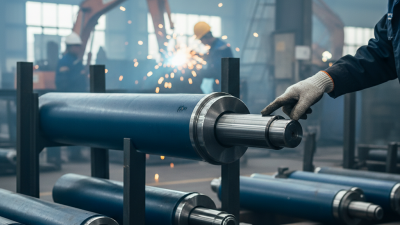
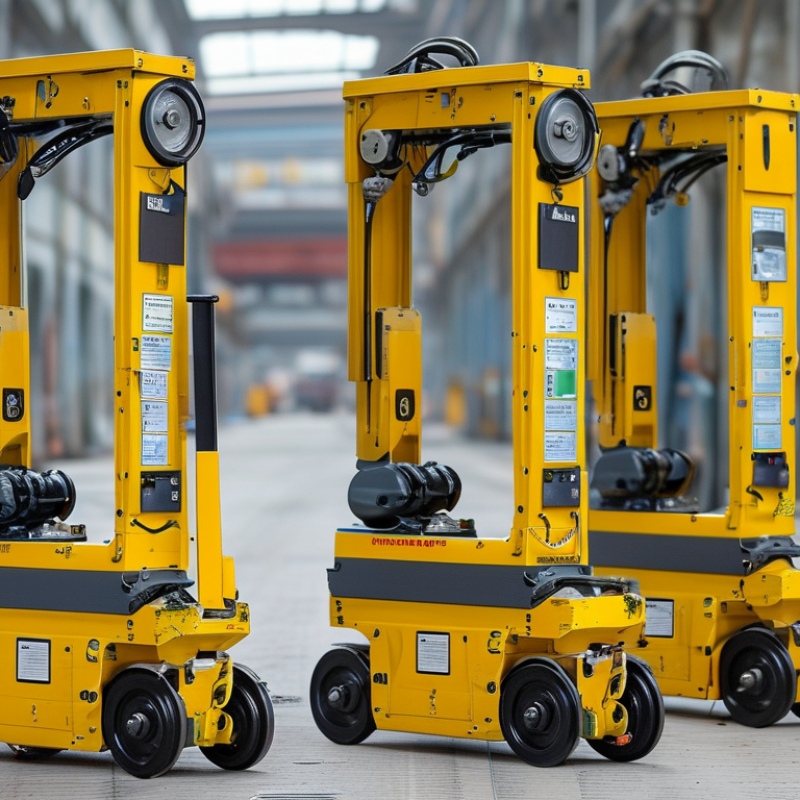
Hydraulic lift cylinders play a vital role in industrial applications. They provide efficient lifting and lowering of heavy loads. Their design enables smooth operation, reducing stress on other machinery. In factories, these cylinders enhance productivity by streamlining processes. Workers can lift items safely and with precision, minimizing workplace accidents.
One notable advantage arises from the cylinders' ability to generate significant force. They can lift thousands of pounds with ease. This capacity encourages automation in operations. However, maintenance is crucial. Neglecting regular checks can lead to decreased performance. Observing wear and tear is essential for reliability.
Hydraulic systems are often more energy-efficient than conventional lifting methods. This can lead to lower operating costs over time. However, operators must be trained in their use. A lack of understanding can reduce their effectiveness. Ensuring proper training and maintenance creates a safer work environment. This balance of efficiency and safety is key in industrial settings.
Top 10 Hydraulic Lift Cylinder Benefits for Global Buyers
| Benefit |
Description |
Application Areas |
| High Load Capacity |
Hydraulic cylinders can lift extremely heavy loads efficiently. |
Construction, Manufacturing |
| Precision Control |
Allows fine-tuning of movement and positioning. |
Aerospace, Robotics |
| Compact Design |
Takes up less space compared to mechanical lifting solutions. |
Material Handling, Warehousing |
| Durability |
Designed to withstand harsh industrial environments. |
Mining, Construction |
| Versatility |
Used in various applications and industries. |
Agriculture, Automotive |
| Safety Features |
Built-in safety mechanisms prevent accidents. |
Construction, Heavy Machinery |
| Energy Efficiency |
Requires less power to lift heavy loads compared to electric alternatives. |
Manufacturing, Transportation |
| Low Maintenance |
Requires less frequent maintenance than mechanical systems. |
Industrial Equipment, Hydraulic Systems |
| Smooth Operation |
Provides smooth lifting and lowering actions. |
Lifting Equipment, Stage Equipment |
| Cost-Effective |
Offers high performance at a lower cost of operations. |
Various Industrial Fields |
Enhanced Performance and Efficiency of Hydraulic Lift Cylinders
Hydraulic lift cylinders play a crucial role in enhancing the performance and efficiency of lifting systems. They provide smooth lifting and lowering actions, reducing wear on machinery. This reliability leads to longer equipment lifespan, which is vital for companies aiming to optimize operational costs.
Moreover, hydraulic cylinders can handle heavy loads, making them ideal for various industries, including construction and manufacturing.
Efficiency is significantly boosted by hydraulic lift cylinders. Their design allows for precise movements, minimizing energy consumption. This can result in lower operational expenses and less environmental impact.
However, not all systems achieve optimal efficiency right away. Over time, maintenance practices may reveal inefficiencies, prompting a need for upgrades. Investing in newer hydraulic technology can enhance performance, but it may also require a substantial budget, which necessitates thoughtful planning.
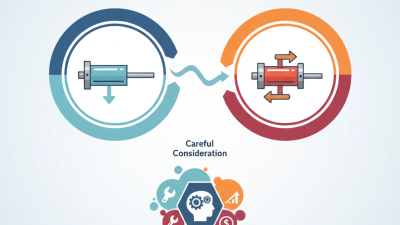
Understanding the trade-offs in hydraulic technology is essential for global buyers. While improved efficiency can lead to cost savings, it's not always clear-cut. Some systems may require regular checks to ensure they operate at peak capacity. Buyers should carefully evaluate their options, weighing the benefits against potential challenges.
This enables better decision-making for future investments in hydraulic systems.
Cost-Effectiveness of Hydraulic Lift Cylinders for Businesses
Hydraulic lift cylinders are crucial for many industries, providing numerous cost benefits. A report from the International Hydraulics Association states that hydraulic systems can offer efficiency gains of up to 30% over mechanical systems. This efficiency translates into reduced energy costs, which can significantly impact the bottom line for businesses. Reduced energy consumption leads to lower utility bills, allowing companies to redirect funds to other critical operations.
When considering the lifespan of hydraulic lift cylinders, they often outlast their mechanical counterparts. This longevity reduces replacement costs and maintenance expenses. The average lifespan of hydraulic cylinders is around 10,000 hours, depending on usage and maintenance practices. Businesses can save money by investing in high-quality components that require less frequent replacements.
Tip: Regular maintenance checks can help avoid unexpected failures. Ensuring that seals, hoses, and hydraulic fluid levels are optimal can prevent costly downtimes. It's also essential to train personnel on proper operating procedures to enhance the system's longevity.
Another factor to consider is the versatility of hydraulic lift cylinders. They are adaptable to various applications, from construction to manufacturing, reducing the need for multiple types of equipment. This adaptability can limit overhead costs and streamline operations, making them a valuable asset.
Tip: Assess the specific needs of your operation before purchasing. Customized solutions may provide greater efficiency and cost-effectiveness in the long run.
Versatility of Hydraulic Lift Cylinders Across Various Industries
Hydraulic lift cylinders play a crucial role in various industries, enhancing operational efficiency. These devices are adaptable, capable of handling different loads and applications. In the construction sector, they elevate equipment for better productivity. For automotive repair, they facilitate vehicle lifting, ensuring safe access to components. This versatility makes them invaluable.
In manufacturing, hydraulic lift cylinders streamline assembly lines. They enable precise movements, reducing the risk of errors. However, not every application fully utilizes their potential. Some businesses may overlook the importance of routine maintenance. This neglect can lead to performance issues, impacting productivity. Recognizing the need for regular checks is essential for optimal functioning.
Additionally, hydraulic lift cylinders are vital in the shipping industry. They assist in loading and unloading goods, minimizing manual labor. Despite their benefits, companies must be cautious about overloading. This practice can cause system stress, leading to failures. It's crucial to balance load capacities with operational demands to ensure longevity.
Safety Features and Reliability of Hydraulic Lift Cylinders
Hydraulic lift cylinders are essential in various industries. Their safety features make them a reliable choice for heavy lifting. These cylinders come equipped with pressure relief valves. This feature prevents over-pressurization, ensuring controlled lifting. Furthermore, many hydraulic cylinders include built-in safety stops. These stops effectively minimize the risk of accidental drops, providing peace of mind.
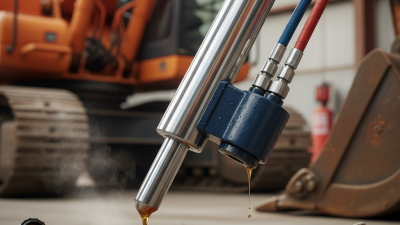
Additionally, regular maintenance enhances the reliability of hydraulic lift cylinders. However, neglect in maintenance can lead to failures. It is crucial to monitor the condition of seals and hoses regularly. A small leak can escalate into a major issue. Users must be diligent in checking for wear and tear. Addressing these concerns proactively can lead to increased safety and operational efficiency.
The design of hydraulic cylinders contributes significantly to their safety. Heavy-duty materials ensure they withstand high pressures. But, with heavy-duty construction comes weight. This can sometimes complicate handling and installation. Moreover, improper installation may pose risks. Continuous education on proper usage is vital. It helps in maximizing both safety and efficiency in operations.

 +86-13349293098
 Contact WhatsApp
 Contact Email