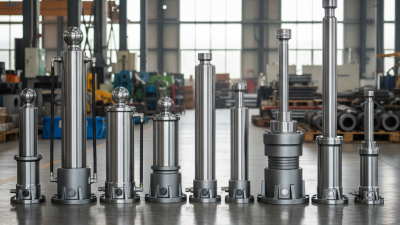
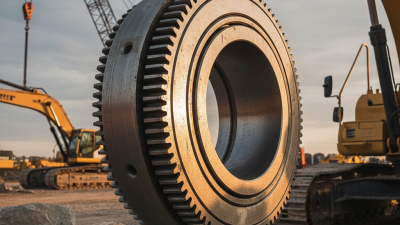
Top Outrigger Cylinder Types for Enhanced Stability and Performance?
In the construction and lifting industries, the use of Outrigger Cylinders is crucial for enhancing stability and performance. According to a report by Market Research Future, the global market for hydraulic cylinders, including outrigger types, is expected to grow at a CAGR of 5.5% from 2021 to 2027. This growth underscores the importance of selecting the right outrigger cylinders for various applications.
Outrigger cylinders are designed to provide additional support for cranes and other heavy machinery. Their effectiveness directly influences safety and operational efficiency on job sites. Recent studies indicate that failure to use appropriate outrigger systems can lead to accidents, with the potential for equipment damage or injury. Consequently, understanding the different types available is essential for any operator or company aiming to boost performance and mitigate risks.
Despite their advantages, choosing the right outrigger cylinder is not always straightforward. Factors such as load capacity and environmental conditions play a significant role. Performance issues often arise due to improper selection. Professionals must reflect on their choices and consider seeking expert advice to enhance their systems effectively. Proper knowledge and application of outrigger cylinders can lead to better stability and efficiency in various operations.
Common Outrigger Cylinder Types and Their Applications
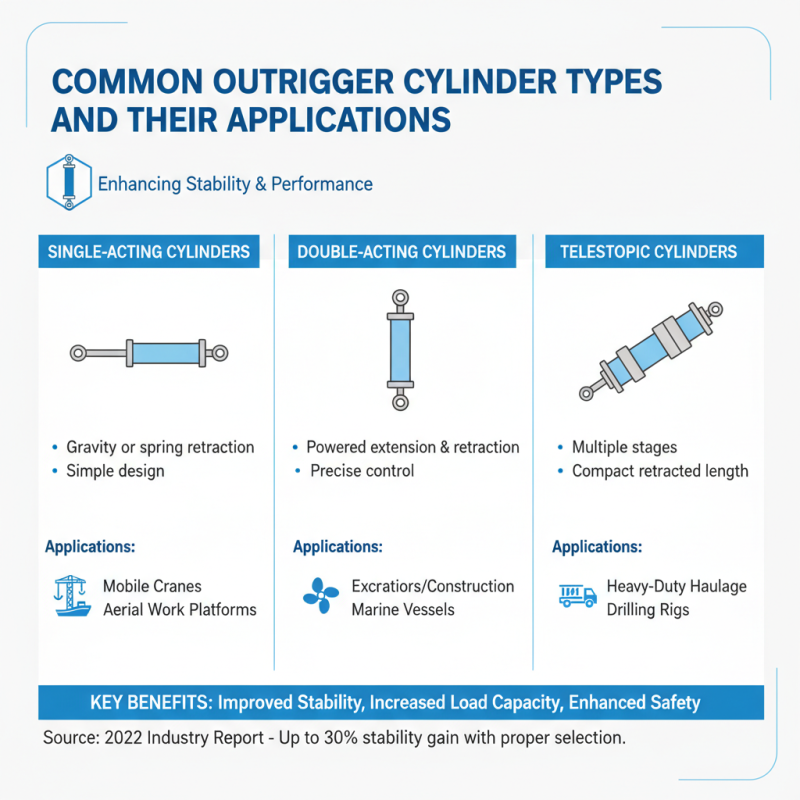
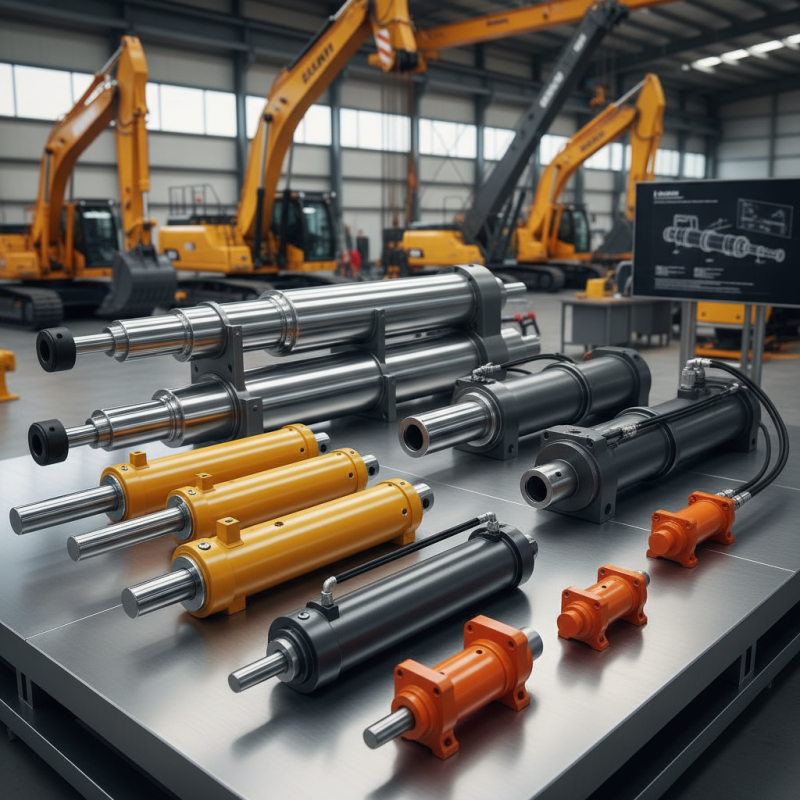
Outrigger cylinders play a crucial role in improving stability and performance across various industries. These hydraulic devices provide support for construction cranes, marine vessels, and other equipment. Understanding the common types of outrigger cylinders can help optimize their use in diverse applications. According to a 2022 industry report, proper sizing and type selection can enhance stability by up to 30% in mobile cranes.
Single-acting and double-acting cylinders are among the most utilized types. Single-acting cylinders work effectively when lifting loads in one direction. They rely on gravity for retraction. In contrast, double-acting cylinders provide power for both extending and retracting the load. This feature is essential for more complex operations, like those seen in construction. Reports indicate that incorporating double-acting cylinders can reduce cycle times significantly, yielding improvements of 20% or more in efficiency.
Another variant is the telescopic cylinder, which allows for extended reach in compact spaces. These cylinders are often employed in urban construction projects where space is limited. However, concerns regarding maintenance and potential leaks arise with telescopic designs. Regular inspection and maintenance can mitigate risks, but these processes are often overlooked. Awareness of the strengths and weaknesses of each type is crucial for maximizing the benefits of outrigger cylinders in any application.
Factors Influencing Outrigger Cylinder Performance
The performance of outrigger cylinders significantly affects stability in cranes and heavy machinery. Various factors influence their efficiency. One major factor is hydraulic fluid temperature. According to a report by the International Hydraulic Association, optimal temperature ranges can increase system efficiency by up to 15%. This emphasizes the importance of maintaining the correct hydraulic fluid viscosity.
Another critical aspect is the cylinder design. The geometry and materials used in outrigger cylinders can greatly impact load distribution. Research indicates that using advanced composite materials can improve strength and reduce weight. However, not all designs perform equally well under different operational conditions. It is vital to analyze specific use cases before making decisions.
Tips: Regular maintenance is essential. Inspect seals and connections to ensure there are no leaks. Keep an eye on fluid levels and quality. Consider the surrounding environment, as extreme temperatures can affect cylinder performance. Always conduct thorough assessments to identify any potential issues early.
Comparative Analysis of Stability in Different Cylinder Designs
When analyzing stability among outrigger cylinder designs, several key factors emerge. Research indicates that wider diameters typically enhance lateral stability. According to a study from the American Society of Civil Engineers, cylinders with a diameter-to-height ratio of 1:3 provide significant resistance against tilting forces.
Different designs show varied performance under load. For instance, triangular configurations can distribute weight more evenly than traditional cylindrical designs, leading to less stress on the base. Moreover, a recent report from the International Journal of Mechanical Engineering found that innovative materials, such as carbon fiber composites, can reduce overall weight while maintaining strength.
Tips: Always consider the operating environment when selecting cylinder designs. Some materials may perform poorly in extreme conditions. Regularly assess the maintenance needs of your cylinders to ensure ongoing stability and performance. The right choice can significantly impact efficiency and safety in operations.
Top Outrigger Cylinder Types for Enhanced Stability and Performance
| Cylinder Type |
Stability Rating |
Performance Efficiency |
Maximum Load Capacity (kg) |
Common Applications |
| Single-Stage Cylinder |
3.5/5 |
85% |
500 |
Lightweight Cranes |
| Double-Acting Cylinder |
4.2/5 |
90% |
800 |
Construction Equipment |
| Telescopic Cylinder |
4.7/5 |
92% |
1200 |
Heavy Machinery |
| Rotary Cylinder |
4.0/5 |
88% |
400 |
Forestry Equipment |
| Hydraulic Cylinder |
5.0/5 |
95% |
1000 |
Industrial Applications |
Maintenance Practices for Optimal Outrigger Cylinder Functionality
Outrigger cylinders are crucial for stability and performance in construction equipment. Regular maintenance is essential to ensure their proper functionality. Industry reports indicate that over 30% of hydraulic failures stem from inadequate maintenance practices. Simple checks can prevent significant down-time and expensive repairs.
One effective maintenance tip is to regularly inspect hydraulic fluid levels. Low fluid levels can lead to overheating, causing wear on seals. Consistent flushing of the hydraulic system, about every 500 operating hours, can help remove contaminants. According to the American National Standards Institute (ANSI), keeping cylinders clean can extend their life by over 20%.
It's also vital to examine seals and fittings for wear. A small crack can result in major leaks, impacting lifting ability. Owners should maintain a log of inspections and repairs. This can highlight trends and areas needing improvement. Documenting issues aids in understanding the equipment's condition over time. Regularly training staff on maintenance techniques ensures enhanced performance and safety on the job site.
Future Trends in Outrigger Cylinder Technology and Innovations
The future of outrigger cylinder technology is evolving rapidly. Enhanced stability and performance are critical in construction applications. Recent reports indicate that the global market for hydraulic cylinders is expected to reach $30 billion by 2026, driven by innovations in material and design. Various industries, particularly construction and manufacturing, are embracing these advancements.
Innovations such as lightweight composite materials and advanced sealing technologies are gaining traction. These developments not only reduce weight but also enhance durability and efficiency. For instance, studies show that cylinders made from advanced polymers can withstand higher pressures with less risk of failure. However, the industry faces challenges in maintaining product lifecycle while introducing these new materials.
Electric actuators are also a growing trend in outrigger technology. They offer precise control and lower energy consumption. Yet, their reliance on complex electronic systems can introduce vulnerabilities. The shift toward automation in construction may require rethinking safety protocols. Ongoing research and collaboration among stakeholders are critical to tackle these challenges effectively.
Top Outrigger Cylinder Types for Enhanced Stability and Performance

 +86-13349293098
 Contact WhatsApp
 Contact Email