What is a Rod Hydraulic Cylinder and How Does it Work?
A Rod Hydraulic Cylinder is a crucial component in various machinery and vehicles. It operates using the principles of hydraulics to convert fluid pressure into mechanical force. This technology enables effective lifting, pushing, or pulling tasks.
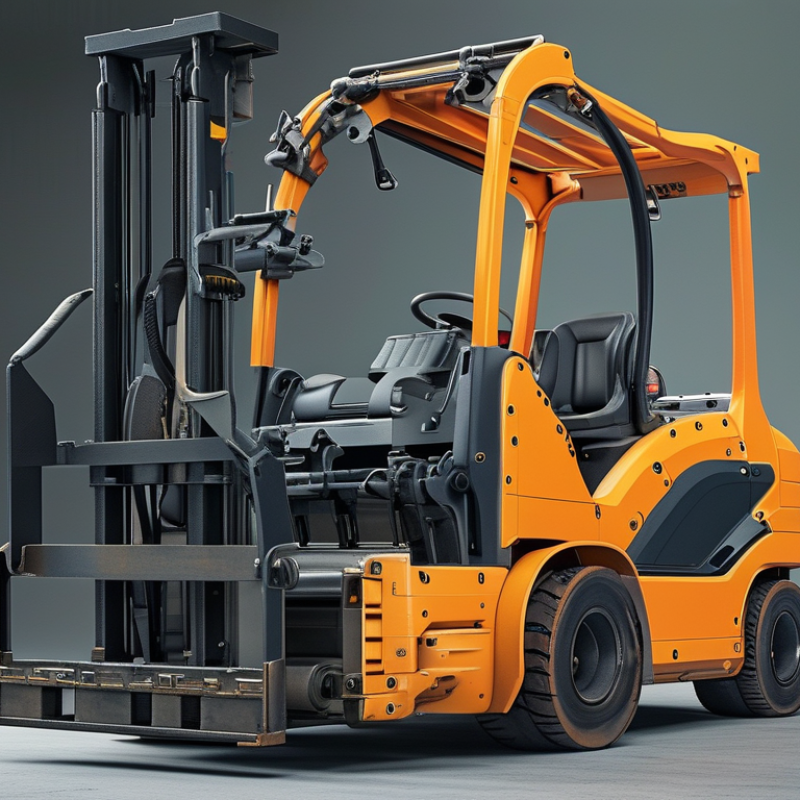
The basic structure includes a cylindrical body, a piston, and a rod. When hydraulic fluid enters the cylinder, it exerts pressure on the piston, causing the rod to extend or retract. This operation is vital in equipment such as excavators, forklifts, and automotive systems. Understanding how a Rod Hydraulic Cylinder functions helps in optimizing its use.
However, users must be cautious. Improper handling can lead to failure or inefficiency. Regular maintenance and inspection are essential for reliability. In conclusion, grasping the fundamentals of a Rod Hydraulic Cylinder contributes to better performance in practical applications.
Understanding the Basics of Rod Hydraulic Cylinders
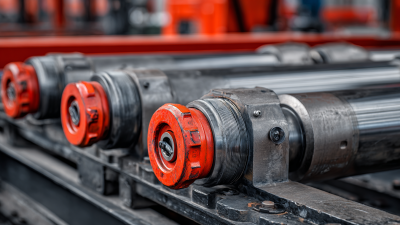
Rod hydraulic cylinders are essential components in many machinery and equipment. They convert hydraulic pressure into linear motion. When hydraulic fluid enters the cylinder, it pushes the rod out. This simple operation plays a critical role in various applications, from construction to manufacturing.
Understanding the basics of rod hydraulic cylinders requires attention to design and function. The cylinder typically consists of a piston, a rod, and a body. When the fluid pressure builds up, it moves the piston. As the piston moves, it extends or retracts the rod. Proper sealing is crucial for efficient operation. Leaks can significantly reduce performance.
Tips: Regular maintenance is key. Check for leaks and ensure fluids are at optimal levels. This keeps the cylinder functioning effectively. Also, consider the load limits. Overloading can lead to accelerated wear and potential failures. Remember, even small issues can lead to major problems later. Always be proactive in your approach to maintenance.
Components of a Rod Hydraulic Cylinder Explained
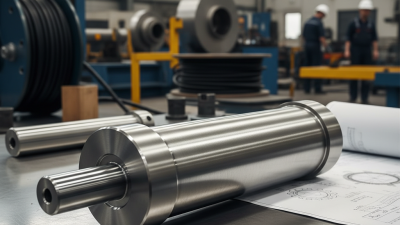
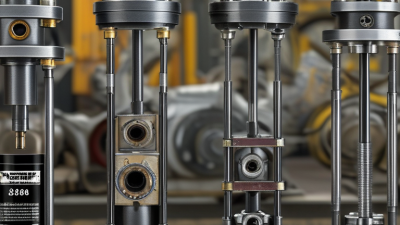
A rod hydraulic cylinder is a critical component in various machinery. To understand its function, it's essential to explore its components. The main parts include the cylinder barrel, piston, and rod. The barrel houses the piston and holds hydraulic fluid. It is usually made from robust materials to withstand high pressures.
The piston moves within the barrel, creating force when hydraulic fluid enters. This movement enables the extension and retraction of the rod. The rod connects to the load, translating hydraulic force into mechanical movement. Seals and spacers ensure that the hydraulic fluid stays contained. They prevent leaks, which can compromise the system's efficiency.
Yet, these cylinders can face challenges. Wear and tear can lead to reduced performance. Improper maintenance may result in oil leaks. Recognizing signs like unusual noises or loss of power can be crucial. Understanding these components helps operators troubleshoot issues and maintain efficiency.
How Rod Hydraulic Cylinders Generate Linear Motion
Rod hydraulic cylinders play a crucial role in generating linear motion within various applications. These cylinders operate on the principle of Pascal's law, where applying pressure to a confined fluid results in the transmission of that pressure throughout the fluid. In rod hydraulic cylinders, the piston is connected to a rod that extends out of the cylinder. This design facilitates the translation of fluid pressure into linear movement. According to the International Fluid Power Society, these cylinders can deliver thousands of pounds of force, making them essential in construction, manufacturing, and automotive industries.
The efficiency of rod hydraulic cylinders lies in their simplicity and effectiveness. When fluid enters one side of the piston, it pushes the rod outward, creating a powerful linear motion. The speed and strength of this action are highly customizable, influenced by factors such as fluid pressure and cylinder size. A study by the National Fluid Power Association indicates that hydraulic systems often achieve efficiency rates between 85% and 90%, which contributes to their growing use in various sectors.
However, not all rod hydraulic cylinders operate seamlessly. Issues like seal wear, fluid contamination, or incorrect sizing can hinder performance. These failures often result in lost productivity and increased maintenance costs. Addressing these challenges requires a mix of regular maintenance, proper installation, and knowledgeable operation. It’s crucial for companies to invest in staff training and routine inspections to enhance the reliability of these systems.
Common Applications of Rod Hydraulic Cylinders
Rod hydraulic cylinders are widely used in various industries due to their versatility and reliability. These cylinders convert hydraulic energy into mechanical force, making them essential in applications that require precise movement and control. Their simple design and effective performance make them suitable for tasks like lifting, pushing, and pulling heavy loads.
In construction, rod hydraulic cylinders play a critical role in powering equipment like excavators and cranes. They enable operators to lift and move heavy materials with ease. In agriculture, these cylinders help in tasks such as plowing, tilling, and lifting heavy machinery. It’s common to see them in various farming equipment, ensuring efficiency in operations.
However, the application of rod hydraulic cylinders isn’t limited to heavy industries. They are also prevalent in manufacturing and robotics, facilitating automated processes. Yet, users must consider maintenance. Neglected cylinders can lead to performance issues or even safety hazards. Periodic inspections and servicing are vital. Addressing these aspects ensures the longevity and reliability of rod hydraulic cylinders in diverse applications.
Common Applications of Rod Hydraulic Cylinders
Maintenance Tips for Rod Hydraulic Cylinders
Rod hydraulic cylinders are essential for many industrial applications. Proper maintenance is crucial for their longevity and efficiency. Regular inspections help identify wear and tear. Research indicates that up to 50% of hydraulic failures stem from poor maintenance practices. Routine checks should focus on oil levels, seals, and any signs of leakage.
Using clean hydraulic fluids can significantly reduce wear on components. Contaminants can drastically shorten the life of a cylinder. A study shows that even small particles can cause substantial damage over time. Regular fluid analysis is a proactive approach to maintaining system integrity. Training staff on proper handling can also prevent common mistakes.
Operators should document all maintenance activities. This practice provides insights into performance trends. Analyzing this data can uncover hidden issues. It is vital to remain vigilant for signs of deterioration. Early detection can save costs and prevent emergencies. Investing time in maintenance yields long-term benefits.

 +86-13349293098
 Contact WhatsApp
 Contact Email