Essential Tips for Choosing the Right Hydraulic Oil Cylinder?
Choosing the right Hydraulic Oil Cylinder is crucial for optimal performance in various applications. Many factors impact your decision. Understanding hydraulic oil properties, cylinder design, and operational conditions is essential.
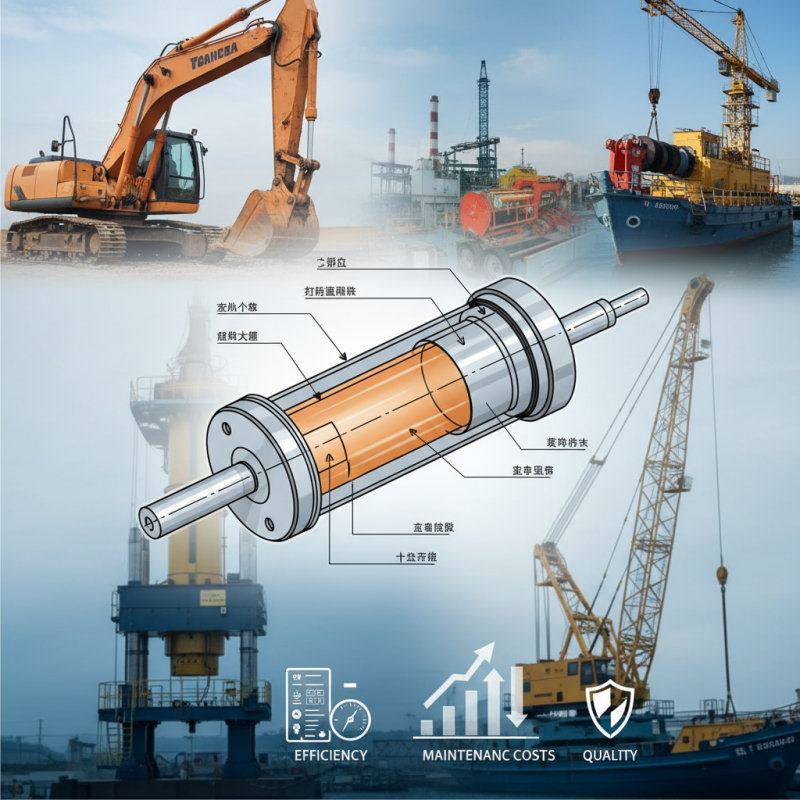
When selecting a Hydraulic Oil Cylinder, consider the specific application. Different industries require various pressure ratings and fluid compatibility. Research shows that improper choices lead to decreased efficiency and increased maintenance costs.
It's also important to evaluate the manufacturer’s reputation and product reliability. Not all suppliers provide quality assurance. Many options are available, but few meet rigorous standards. Make informed decisions by consulting experts and reviewing technical specifications carefully. This ensures the selected Hydraulic Oil Cylinder aligns with your needs.
Understanding the Basics of Hydraulic Oil Cylinders
Hydraulic oil cylinders play a crucial role in various machines. They convert hydraulic energy into mechanical work. Understanding their components and functions is essential before making a choice.
When selecting a hydraulic oil cylinder, consider the operational environment. The temperature and pressure affect the cylinder's performance. Choosing the right materials can enhance durability. Pay attention to the bore size and stroke length as they directly impact efficiency.
Tips for selection include assessing the load capacity. It should match or exceed your operation's demands. Always evaluate the seal types for compatibility with your fluids. Sometimes, a mismatch leads to leaks and failures. Regular maintenance tests can help identify potential issues early. This prevention aids in project efficiency and cost management.
Key Factors to Consider When Selecting Hydraulic Oil
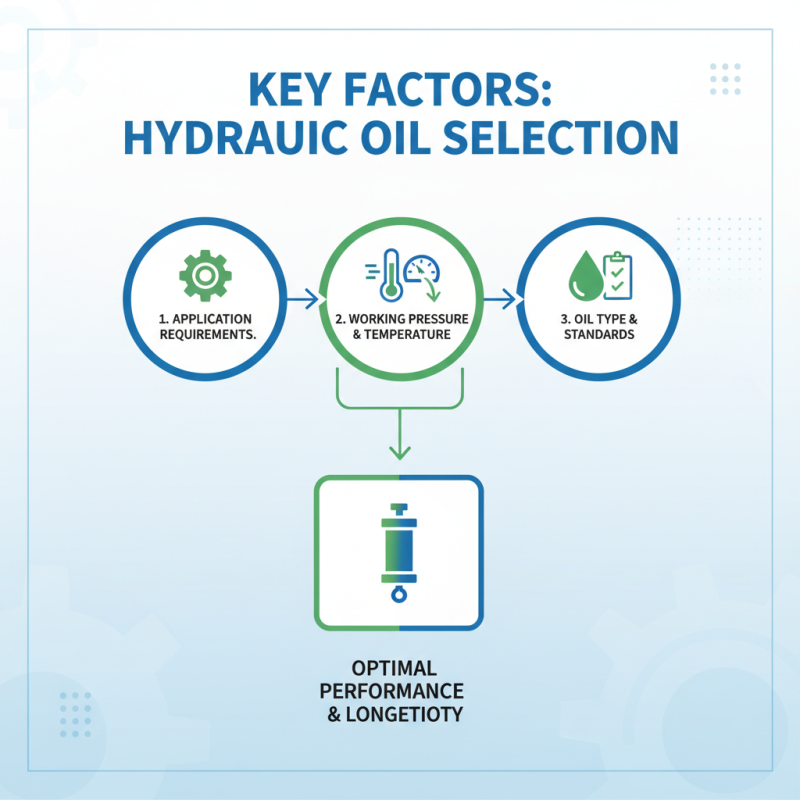
When selecting the right hydraulic oil cylinder, several key factors must be considered. First, understand the application requirements. Assess the working pressure and temperature. Each hydraulic system has its specific needs, which demand different oil standards. Using the wrong type could affect performance and longevity.
Before purchasing, check compatibility with existing machinery. It ensures optimal operation and reduces maintenance costs. Sometimes, mismatched components lead to inefficiencies or even damage.
Tips for making a sound choice include understanding viscosity levels. Thicker oils may be suitable for high pressure, while thinner oils provide better flow at lower temperatures. Additionally, consider the environmental conditions. If the application is outdoors, look for oils designed to withstand temperature fluctuations. Do remember that not all oils are created equal. Researching supplier credentials enhances reliability in your choice.
Types of Hydraulic Oils and Their Applications
When selecting hydraulic oils, it's crucial to understand their types and applications. Hydraulic oils are primarily classified into petroleum-based, water-based, and biodegradable fluids. Each type has specific advantages and limitations. For instance, petroleum-based oils, which account for approximately 70% of the market, are known for excellent lubricating properties and thermal stability. They are widely used in construction machinery and industrial hydraulic systems.
Water-based hydraulic fluids, while representing only about 20% of the market, are increasingly popular due to their fire resistance. These fluids are essential in applications where flammability poses significant risks. On the other hand, biodegradable oils are gaining traction as environmental concerns rise. Reports indicate that the market for biodegradable hydraulic oils is growing at a rate of 7.5% annually. These oils are essential for forestry and agricultural applications, where minimizing environmental impact is critical.
It’s also vital to consider the viscosity of hydraulic oils. A study found that incorrect viscosity can lead to equipment failure. This highlights the need for regular testing and adjustment of oil types based on environmental conditions. The choice between these options should be made carefully to ensure optimal performance and equipment longevity. Moreover, an oversight in selecting the right oil can lead to subpar operations and increased maintenance costs.
Importance of Viscosity and Temperature Characteristics
When selecting a hydraulic oil cylinder, understanding viscosity and temperature characteristics is crucial. Viscosity determines how easily the oil flows. An oil's viscosity changes with temperature. For example, low-viscosity oils are better for cold environments. High-viscosity oils perform well in extreme heat. It’s important to ensure the oil flows easily under your specific working conditions.
In real-world applications, choosing the wrong viscosity can lead to inefficient operation. It can cause leaks or even component failure. Each machinery has its own optimal viscosity range. Consulting manufacturer specifications aids in this decision. Testing oils under varying temperatures can provide valuable insights. Consider how viscosity will affect the overall performance over time.
Reflecting on past experiences can help improve future selections. You might have faced issues with improper viscosity before. This highlights the importance of research. A thorough understanding of how temperature affects viscosity can prevent costly mistakes. After all, the right hydraulic oil enhances the productivity and longevity of your equipment.
Maintenance Tips for Optimal Hydraulic Cylinder Performance
Hydraulic cylinders are critical in many industrial applications. Regular maintenance ensures their optimal performance and longevity. Research indicates that over 30% of hydraulic system failures can be attributed to improper maintenance. Understanding maintenance tips can enhance efficiency and reduce downtime.
Checking fluid levels is essential. Low oil levels can cause increased wear and tear. Flush the system periodically to remove contaminants. Studies show that contaminants can cause significant damage, leading to a 10% decrease in efficiency. Filters should be replaced regularly to ensure clean hydraulic oil flows through the system.
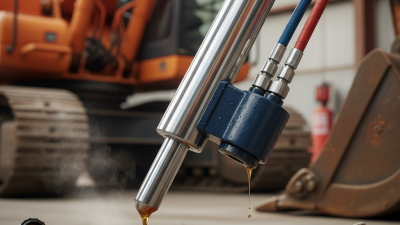
Inspecting seals and connections is another crucial step. Leaks can significantly impact system performance. Small leaks, often overlooked, can lead to substantial waste. Regular monitoring can save considerable costs in the long run. It's vital to address these minor issues before they escalate. Maintenance is often sidelined. However, a proactive approach can prevent expensive repairs and ensure consistent operation of hydraulic cylinders.

 +86-13349293098
 Contact WhatsApp
 Contact Email