Leave Your Message

Top Bucket Cylinder Manufacturers for Global Buyers?

Choosing the right Bucket Cylinder manufacturer can affect machine uptime, safety, and long-term operating costs. Global buyers need more than attractive prices or polished catalogs. They need reliable engineering, consistent production, and clear communication across borders.

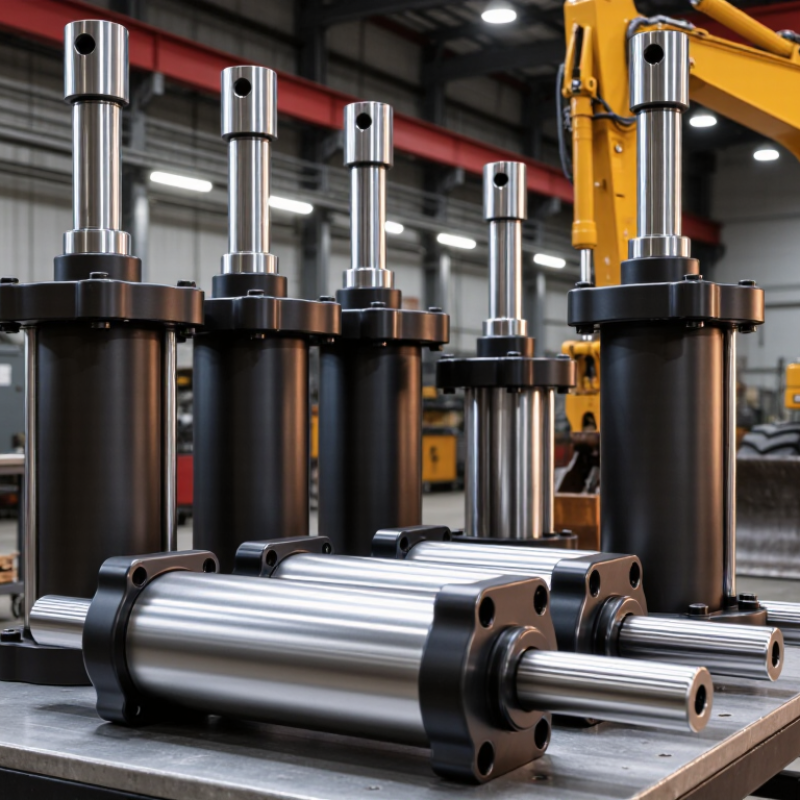
A dependable manufacturer should explain cylinder bore, rod diameter, stroke length, mounting design, and working pressure. These details must match the excavator, loader, or specialized attachment. Ask for material specifications, sealing systems, machining tolerances, and pressure-testing procedures. Factory experience matters. A supplier producing cylinders for demanding quarry, construction, and agricultural applications often understands real operating stress better than a general metalworking company.

Look for evidence, not promises. Quality certificates, inspection records, production photographs, and customer references can reveal manufacturing discipline. Warranty terms should be specific. Replacement seals and technical support should remain available after delivery. Delivery capability also matters, especially when buyers manage projects across different continents.

No shortlist is perfect. Some suppliers communicate well but provide limited customization. Others offer strong engineering but slower export support. Even experienced buyers can overlook packaging quality or spare-part availability. That is worth examining carefully. This guide compares leading Bucket Cylinder manufacturers through practical criteria, including product quality, customization, factory capacity, testing standards, service responsiveness, and global delivery experience. The goal is not to promote the loudest brand. It is to help buyers make a documented, realistic decision based on application needs, verified evidence, and total ownership value.
Top Bucket Cylinder Manufacturers for Global Buyers?

What Is a Bucket Cylinder and How Does It Work?

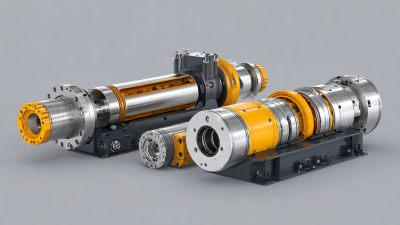
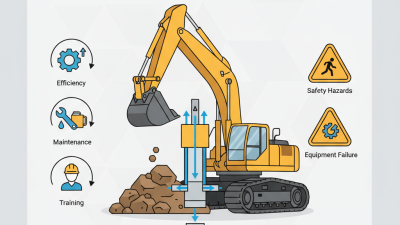
A bucket cylinder is a double-acting hydraulic actuator that controls a loader or excavator bucket. It contains a barrel, piston, rod, seals, and hydraulic ports. Pressurized oil enters one chamber and pushes the piston. The rod then extends, moving the bucket linkage. Oil entering the opposite chamber retracts the rod. Hydraulic force follows a simple rule: force equals pressure multiplied by piston area. A larger bore can produce greater force, but it also increases weight and oil demand.

Geometry matters as much as pressure. Linkage angles change throughout the bucket cycle, so breakout force is rarely constant. According to MarketsandMarkets’ 2024 hydraulic cylinder market analysis, the sector is projected to grow from approximately USD 14.8 billion in 2024 to USD 19.7 billion by 2029. That growth reflects continuing demand for mobile construction equipment. Still, market growth does not guarantee cylinder quality.

Field technicians usually inspect rod scoring, seal leakage, pin alignment, and abnormal heat. Contaminated oil can damage seals quickly. ISO 4406 cleanliness codes provide a practical method for evaluating hydraulic fluid particles. Buyers should request pressure-test records, material details, coating specifications, and cycle-test results from manufacturers. A cylinder may fit perfectly and still fail early. I have seen specifications focus heavily on rated force while ignoring side loading. That is an uncomfortable gap. Mounting alignment, correct oil viscosity, and regular inspection often decide service life more than a higher pressure rating.
Key Specifications for Comparing Bucket Cylinder Manufacturers

Top Bucket Cylinder Manufacturers for Global Buyers

When comparing bucket cylinder manufacturers, start with measurable specifications, not catalogue language. Bore diameter controls pushing force, while rod diameter affects buckling resistance and retraction speed. Record stroke, closed length, pin diameter, mounting width, port position, and rated pressure. ISO 6020/2 covers medium-duty hydraulic cylinders, commonly rated near 160 bar. ISO 6022 addresses heavier-duty designs, often around 250 bar. These standards improve comparison, but they do not guarantee field performance.

The market demands consistency. Off-Highway Research reported global construction equipment sales above one million units in 2023, increasing pressure on replacement-part availability. A reliable manufacturer should provide material certificates, dimensional inspection records, pressure-test results, and serial-number traceability. Ask about rod surface hardness, chrome thickness, seal temperature range, and weld inspection. Field experience shows small mounting errors can cause side loading, leaks, and premature pin wear. I have seen apparently identical cylinders fail because their retracted lengths differed by only a few millimetres.

Tips: Build a comparison sheet. Include pressure, cycle life, delivery time, warranty terms, and spare-seal availability. Request a sample drawing before ordering. Check whether the quoted pressure is continuous or peak. That detail matters. The wrong assumption can distort the entire evaluation. Reports from Grand View Research also indicate continued hydraulic-cylinder market growth through the decade, yet price should remain only one selection factor. A cheaper cylinder with uncertain testing may cost more after installation downtime.

Leading Bucket Cylinder Manufacturers for Global Buyers

Leading Bucket Cylinder Manufacturers for Global Buyers

Global demand for hydraulic equipment continues to rise. Fortune Business Insights valued the market at about USD 49.65 billion in 2023. Its 2024 report forecasts growth to USD 74.64 billion by 2032. This expansion increases pressure on bucket cylinder manufacturers to deliver reliable, serviceable products.

Experienced manufacturers usually begin with application details, not a standard catalog number. They check excavator weight, bucket capacity, working pressure, pin diameter, stroke, and mounting space. Strong suppliers can provide material certificates, pressure-test records, dimensional drawings, and traceable seal specifications. Cylinders designed around ISO 6020/2 or ISO 6022 requirements may also simplify international procurement. Yet standards alone do not guarantee field performance.

Look beyond polished websites. Ask how the manufacturer controls rod straightness, welding quality, chrome thickness, and contamination during assembly. Protective packaging matters too. A damaged rod can fail before the machine reaches a jobsite. Regional spare-seal availability can reduce costly downtime. Fortune Business Insights also identifies construction activity and industrial investment as major hydraulic equipment growth drivers, making after-sales support increasingly important.

A low quotation can be misleading. It may exclude testing, custom fittings, or replacement seals. Buyers should compare total operating cost, not only purchase price. Even careful selection has limits; soil, impact loading, and poor maintenance can shorten cylinder life. That uncomfortable detail deserves attention.

Manufacturing Standards, Quality Control, and Customization Options

Global buyers evaluating bucket cylinder manufacturers should inspect the production system, not only the catalog. A capable factory documents material grades, welding procedures, heat treatment, and dimensional tolerances. ISO 9001-based processes can support consistency, but certification alone proves little. Ask for calibration records, traceability codes, and recent inspection reports. This is practical evidence. It also reveals whether quality is controlled on the factory floor or merely described in sales documents.

Quality control should follow the cylinder from tube cutting to final pressure testing. Inspectors may check bore diameter, rod straightness, seal grooves, weld penetration, and surface finish. Each assembled unit should receive a pressure and leakage test under a recorded procedure. Sampling can reduce cost, yet critical dimensions often deserve full inspection. Field experience shows that small alignment errors can create premature seal wear. That lesson is easy to overlook.

Customization usually covers bore size, stroke length, mounting geometry, port position, coatings, and seal materials. Provide drawings, working pressure, load cycles, temperature range, and machine environment before requesting a quotation. A serious manufacturer should review tolerances and identify design risks, rather than accept every specification silently. Not every custom feature improves service life. Sometimes, a simpler rod coating or common seal profile is more dependable and easier to replace. Leave room for field feedback; the first design may need revision after real operation.

How to Select and Purchase the Right Bucket Cylinder Supplier

Top Bucket Cylinder Manufacturers for Global Buyers?

Selecting the right bucket cylinder supplier starts with the machine, not the catalog. Check bore diameter, rod diameter, stroke length, mounting style, and working pressure. These details must match the excavator’s hydraulic system. A cylinder that looks suitable may still fail during heavy digging.

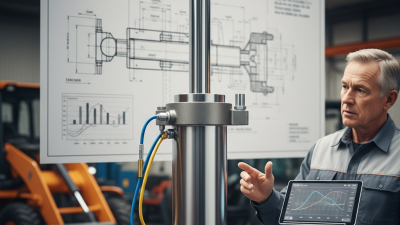
Ask suppliers for material specifications, seal information, surface treatment details, and pressure-test records. Reliable manufacturers should explain their inspection process clearly. Request drawings before placing an order. Confirm pin dimensions, grease-port positions, and retracted length. A few millimeters can cause installation problems. Production experience matters here. Suppliers familiar with buckets, loaders, and excavators usually identify these risks earlier.

Purchase decisions should also include lead time, packaging, spare-seal availability, and communication speed. Check whether each cylinder receives a documented leak test before shipment. For repeated orders, request a sample or pilot batch. Compare the sample’s weld quality, chrome finish, and smooth rod movement. Do not judge only by price. A cheaper unit may use weaker seals or thinner tubing, although that is not always obvious at delivery. I have found that written specifications prevent more disputes than verbal promises. Still, specifications can be incomplete. Ask difficult questions, record every answer, and review the final drawing with a technician before production begins. The supplier should support traceability through batch numbers, inspection reports, and clear warranty terms.

Top Bucket Cylinder Manufacturers for Global Buyers? - How to Select and Purchase the Right Bucket Cylinder Supplier
Supplier Category Typical Product Focus Common Bore Range Common Stroke Range Typical Working Pressure Key Material and Design Features Quality Evidence to Request Customization Capability Typical Production Lead Time Best Fit for Global Buyers
High-volume standard supplier Replacement bucket cylinders for widely used excavator and wheel-loader configurations 50–180 mm 300–1,500 mm 210–350 bar Honed steel tube, induction-hardened rod, replaceable wear rings, standard hydraulic seals Dimensional inspection report, pressure test record, material traceability, seal specification Moderate; mounting dimensions and port locations are usually adjustable Approximately 4–8 weeks after drawing approval Fleet operators needing repeatable replacement units and competitive unit pricing
Heavy-duty mining supplier Large bucket cylinders for quarrying, mining, and high-cycle excavation equipment 160–400 mm 800–3,000 mm 250–420 bar Heavy-wall barrel, chrome-plated rod, reinforced rod eye, high-load spherical bearing, upgraded seal system Full-load pressure testing, weld inspection, hardness testing, fatigue or cycle-test data High; engineering support is normally required before production Approximately 8–16 weeks, depending on size and testing requirements Mining contractors and buyers prioritizing service life over lowest initial cost
OEM replacement specialist Direct-fit cylinders designed around existing equipment mounting and hydraulic interfaces 80–250 mm 400–2,000 mm 210–350 bar Application-specific geometry, matched pin dimensions, calibrated cushioning, compatible seal materials Approved drawing, interface checklist, fit-up inspection, pressure and leakage test High; suitable for exact replacement and engineering changes Approximately 6–12 weeks for standard designs Buyers seeking minimal installation changes and reduced machine downtime
Custom engineering supplier One-off or low-volume cylinders for unusual buckets, attachments, and special machines 40–300 mm 200–2,500 mm 160–350 bar Application-specific tube, rod, bearing, cushioning, port, and mounting design Design calculation, 2D/3D drawing, prototype inspection, pressure test, functional test Very high; engineering review is generally included Approximately 6–14 weeks, including prototype approval Attachment manufacturers and buyers with non-standard mounting requirements
Compact-equipment supplier Bucket cylinders for mini excavators, compact loaders, and light construction equipment 25–100 mm 150–800 mm 160–280 bar Compact barrel, low-friction seals, corrosion-resistant rod finish, lightweight mounting components Leakage test, rod surface inspection, dimensional report, seal compatibility confirmation Moderate to high for compact equipment applications Approximately 3–7 weeks for standard configurations Rental fleets, compact-equipment distributors, and regional repair networks
Export-oriented supplier Hydraulic cylinders prepared for international packaging, documentation, and logistics 50–250 mm 300–2,000 mm 210–350 bar Export packaging, corrosion protection, metric or imperial ports, multilingual documentation Certificate of conformity, packing list, commercial invoice, test certificate, inspection photos Moderate to high, subject to approved technical drawings Approximately 5–10 weeks, excluding international transit Importers requiring consistent documentation and cross-border shipment support
Aftermarket service supplier Replacement units, seal kits, rods, tubes, and repair components for maintenance programs 40–220 mm 250–1,800 mm 160–350 bar Interchangeable repair parts, common seal profiles, stocked components, repair-friendly construction Part-number cross-reference, seal datasheet, repair instructions, leakage and pressure test Moderate; strongest for replacement and repair applications Approximately 1–6 weeks for stocked or repeat items Maintenance departments requiring rapid replacement and spare-parts availability
Recommended buyer verification Use technical and commercial checks before approving any bucket cylinder supplier Match the original cylinder or approved design Confirm closed and open lengths Check machine relief pressure and safety margin Verify rod diameter, mounting style, pin size, port thread, cushioning, and seal compatibility Required before purchase Obtain a signed drawing and revision-controlled quotation Confirm production, inspection, packaging, and shipping schedules in writing All global buyers comparing suppliers, quotations, and total cost of ownership
Technical note: The ranges shown are representative industry benchmarks for bucket-cylinder sourcing rather than specifications for a particular supplier. Actual bore, stroke, pressure rating, materials, lead time, and test requirements must be confirmed against the machine manual, approved engineering drawing, and supplier quality documents.