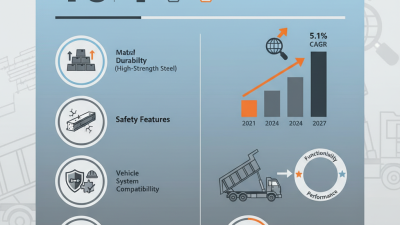
Top 10 Dump Bed Cylinder Options for Global Buyers?
In the world of construction and heavy machinery, selecting the right dump bed cylinder is crucial. These components play a vital role in ensuring the efficiency and effectiveness of dump trucks. Buyers must understand their options thoroughly to make informed decisions. With countless products available, finding the best fit can be daunting.
Dump bed cylinders come in various sizes, styles, and materials. Each option offers unique advantages and drawbacks. Hence, a careful choice can significantly impact vehicle performance and longevity. Features such as lifting capacity, stroke length, and durability should guide your selection process.
As global buyers consider these factors, they may find confusion in the array of choices. Some cylinders may not meet specific operational needs. Therefore, it's essential to weigh options critically. The right dump bed cylinder can enhance productivity and ensure safety in operations. This guide aims to ease your decision-making journey by presenting the top ten choices available worldwide.
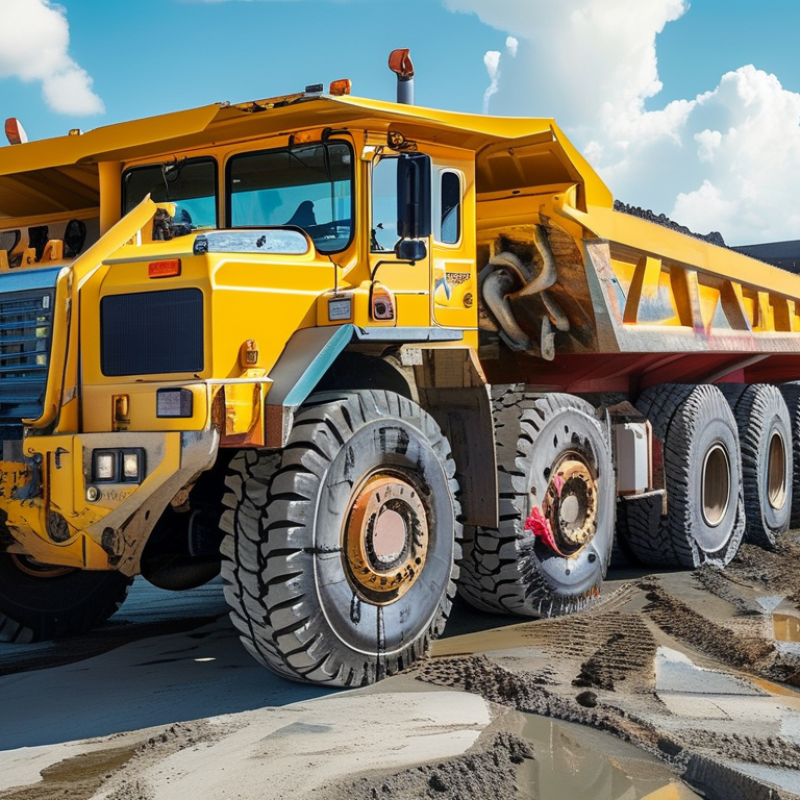
Types of Dump Bed Cylinders Available in the Market
When it comes to dump bed cylinders, understanding the types available is crucial for making informed decisions. These cylinders are essential for the operation of dump trucks and trailers. They enable smooth lifting and lowering of the dump bed, which is vital for various industries such as construction and agriculture. The most common types include single-acting and double-acting cylinders.
Single-acting cylinders operate with hydraulic pressure on one side. They are simple and cost-effective, but they only lift loads. The return happens through gravity or a spring mechanism. On the other hand, double-acting cylinders use hydraulic pressure to both lift and lower. This feature offers better control and is particularly useful for heavy loads. Another type worth mentioning is telescopic cylinders. They are ideal for higher lift capabilities in compact spaces.
Choosing the right cylinder can sometimes feel overwhelming. Many users overlook the importance of weight capacity and how it affects performance. Additionally, environmental factors can influence cylinder effectiveness. Buyers should consider factors such as corrosion resistance and maintenance needs. These nuances can impact long-term reliability. Taking the time to understand the specific needs of your application will lead to a better outcome.
Key Features to Consider When Choosing Dump Bed Cylinders
When selecting dump bed cylinders, there are key features to consider for optimal performance. One crucial aspect is the cylinder material. Steel is robust and can withstand heavy loads. However, aluminum offers a lighter option, enhancing fuel efficiency. According to industry reports, nearly 60% of buyers prefer steel for durability, but the trend is shifting towards aluminum due to increasing fuel prices.
Another essential feature is the cylinder stroke length. The right stroke length ensures the dumper can lift the desired height effectively. A report from the Hydraulic Institute indicates that 70% of cylinders typically range between 20 to 50 inches for standard applications. This range balances lifting capability and stability. Additionally, consider the payload capacity. The safe working load should align with your applications. Many users underestimate this, leading to performance issues.
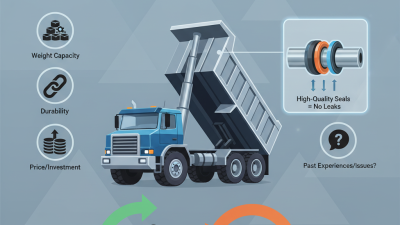
Sealing methods also play a significant role. Advanced seals can extend the cylinder’s lifespan and minimize leaks. A recent study found that effective sealing could reduce maintenance costs by 30%. However, while modern options are available, not all buyers prioritize this aspect, which can lead to unexpected repair needs. Understanding these details enhances decision-making, ensuring a reliable investment.
Top 10 Dump Bed Cylinder Options: Key Features Comparison
Top Brands of Dump Bed Cylinders for Global Buyers
Dump bed cylinders play a vital role in various industries. Choosing the right brand can significantly impact performance and durability. Understanding the top brands available can guide global buyers in making informed choices.
When selecting dump bed cylinders, consider the key features that enhance functionality. Look for options with robust construction and corrosion resistance. These factors are crucial for longevity and efficiency in demanding environments. Additionally, always check specifications for compatibility with your equipment.
Tips: Make it a habit to compare warranties and customer reviews. A solid warranty reflects a manufacturer's confidence in their product. Customer feedback provides real-world insights into performance and reliability. Pay attention to these aspects to avoid costly mistakes.
Lastly, accessibility of replacement parts is often overlooked. Opting for brands that offer easy access to parts ensures maintenance is straightforward. This can save time and costs down the line. Consider local availability to mitigate potential delays in repairs.
Comparative Analysis of Dump Bed Cylinder Prices and Quality
When exploring dump bed cylinders, price and quality are crucial factors. A wide range of options exists, each tailored to different needs and budgets. Some cylinders come at a lower cost but may lack durability. Others, while pricier, offer higher reliability and better material quality.
Quality is often associated with the materials used, such as steel or aluminum. Steel cylinders can withstand heavier loads but may rust without proper care. Aluminum options are lighter and resistant to corrosion, yet they might not endure extreme pressures. Global buyers must weigh their priorities carefully.
In many cases, the decision isn't straightforward. Some buyers may choose cheaper options, risking reduced lifespan and performance. It's important to consider long-term value, not just initial expense. Understanding the specifications can help buyers make informed choices. Ultimately, the right cylinder should match usage requirements and environmental factors for optimal performance.
Buying Tips for International Customers on Dump Bed Cylinders
When considering dump bed cylinders, international buyers face unique challenges. Understanding specifications is crucial. According to industry reports, misalignment in cylinder size accounts for 25% of operational failures. This highlights the importance of accurate measurements. Be aware of the lifting capacity and stroke length of cylinders. A mismatch can lead to safety issues and increased costs.
Another key aspect is material quality. Cylinders made of high-tensile steel often outperform those made from lower-grade metals. Research shows that high-quality materials can extend the lifespan of hydraulic systems by 40%. This is vital for global buyers looking for long-term investments. Shipping and logistics can also complicate purchasing. Unexpected tariffs and delays can inflate costs by up to 15%.
Buyers should also consider the service support from manufacturers. Lack of accessible after-sales support may lead to unplanned downtime. Before making a decision, thoroughly vet potential suppliers. Read reviews and seek customer experiences. Knowledgeable and reliable suppliers can provide valuable insights into compatible products. In a competitive market, informed choices are essential for success.

 +86-13349293098
 Contact WhatsApp
 Contact Email