Leave Your Message

Top 10 Types of Hydraulic Lift Cylinders for Global Buyers

Hydraulic Lift Cylinder technology is entering a more demanding market. Grand View Research valued the global hydraulic cylinders market at approximately USD 14.4 billion in 2023. Its report also forecasts continued growth through 2030, driven by construction, mining, agriculture, and material handling. MarketsandMarkets identifies automation, compact machinery, and infrastructure renewal as important demand factors. These figures look encouraging. They do not guarantee the right cylinder choice.

A lift cylinder may appear simple on a machine frame. Inside, however, seals face pressure spikes, rods face bending loads, and oil quality affects service life. Dr. E.C. Fitch, a respected fluid-power educator, described the hydraulic cylinder as “the workhorse of fluid power.” That phrase remains useful, although it can oversimplify modern applications. A cylinder also depends on mounting alignment, filtration, temperature control, and maintenance discipline. ISO 6020/2 and ISO 6022 provide dimensional and performance frameworks, but compliance alone cannot replace application testing.

This guide examines the top 10 types of Hydraulic Lift Cylinder for global buyers. It compares single-acting, double-acting, telescopic, tie-rod, welded, and custom-engineered designs. Each type serves a different operating reality. A telescopic cylinder may fit a short chassis, while a welded cylinder may tolerate harsher mobile equipment conditions. Buyers should examine bore diameter, stroke length, working pressure, retracted length, corrosion protection, and seal compatibility. Small omissions become expensive. The ranking is practical, not absolute, and some recommendations may change after field trials. That is the honest limitation.
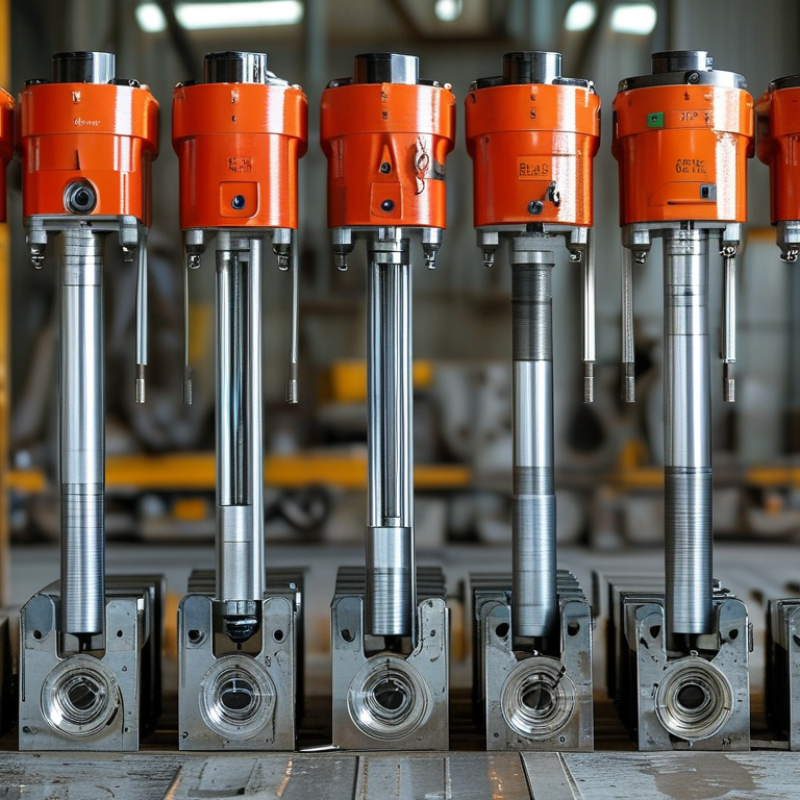
Top 10 Types of Hydraulic Lift Cylinders for Global Buyers

Hydraulic Lift Cylinder Fundamentals and Classification Criteria

Top 10 Types of Hydraulic Lift Cylinders for Global Buyers

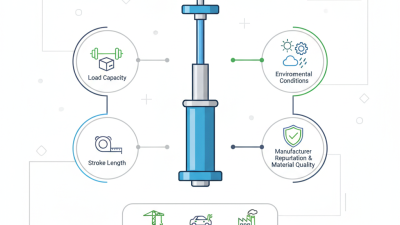
Hydraulic lift cylinders convert pressurized fluid into controlled linear force. Their selection begins with fundamentals, not catalog labels. A buyer should check load, stroke, bore diameter, rod diameter, working pressure, mounting position, speed, and oil compatibility.

The practical ten types include single-acting, double-acting, telescopic, tie-rod, welded, plunger, differential, tandem, cushioned, and high-pressure cylinders. Each design solves a different lifting problem.

Classification also depends on construction and application. Single-acting cylinders use hydraulic force in one direction, while double-acting models control extension and retraction. Telescopic cylinders fit long strokes into short spaces, often leaving visible sections like a metal telescope.

Welded cylinders suit compact equipment and harsh vibration. Tie-rod cylinders offer easier maintenance. Cushioning reduces end-of-stroke shock, but it cannot repair poor flow control. That detail is often underestimated.

The 2024 MarketsandMarkets Hydraulic Cylinders Market report identifies construction and material handling as major demand areas, reflecting the need for reliable lifting systems.

ISO 4413 emphasizes risk control, cleanliness, pressure limits, and energy isolation in hydraulic systems. ISO 6020/2 and ISO 6022 provide dimensional guidance for medium- and high-pressure cylinders.

Real field experience adds another filter: dust, side loading, misalignment, and cold temperatures can shorten service life quickly. A cylinder rated for the load may still fail early. Buyers should request fatigue data, seal temperature ranges, test records, and clear maintenance intervals. Marketing tables rarely show the whole story.
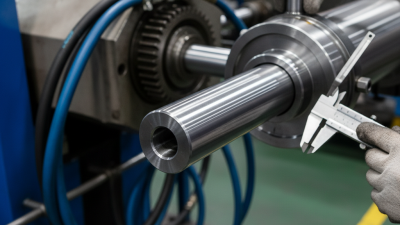
Single-Acting and Double-Acting Lift Cylinder Designs

Hydraulic lift cylinders differ widely in force, stroke, mounting, and control. Among the ten common types, single-acting and double-acting designs deserve close attention. Single-acting cylinders extend when hydraulic pressure enters the barrel. Gravity, load weight, or an external spring returns the piston. Gravity returns it. This design uses fewer seals and simpler plumbing, making it practical for dump bodies, service platforms, and moderate lifting systems. However, return speed can change when the load shifts or the frame becomes dirty.

Double-acting lift cylinders use hydraulic pressure for both extension and retraction. They provide better motion control, especially when the platform must descend slowly or resist a side load. Their two ports support active positioning, but the circuit needs more valves, hoses, and careful contamination control. Rod diameter matters. A thin rod may reduce cost, yet bending risk increases when mounting alignment is poor. That trade-off is often underestimated.

Global buyers also compare welded-body, tie-rod, telescopic, compact, and high-pressure cylinder types. A welded cylinder can suit heavy equipment with limited installation space. A telescopic cylinder offers long travel in a short retracted length, though stage synchronization requires attention. During inspection, check rod scoring, seal leakage, pin wear, and uneven retraction. Engineers should match bore size to load, pressure, duty cycle, and safety factor. A larger bore is not automatically better. It may slow the lift and increase oil demand. Small details matter. Allowing side loading through the cylinder rod remains a common design mistake.

Top 10 Types of Hydraulic Lift Cylinders for Global Buyers - Single-Acting and Double-Acting Lift Cylinder Designs

Typical industry ranges shown for preliminary selection only. Actual performance depends on load, stroke, mounting, hydraulic circuit, duty cycle, temperature, and applicable design standards.
No. Cylinder Type Operating Action Typical Bore Range Typical Rod Range Typical Stroke Range Typical Working Pressure Common Mounting Typical Lift Applications Main Advantages
1 Welded Single-Acting Lift Cylinder Hydraulic extension; gravity or external force for return 40–250 mm 20–160 mm 100–2,000 mm 140–250 bar Clevis, cross-tube, trunnion, flange Vehicle lifts, compact lifting platforms, agricultural equipment Simple circuit, low component count, economical maintenance
2 Welded Double-Acting Lift Cylinder Hydraulic extension and retraction 40–300 mm 20–200 mm 100–3,000 mm 160–250 bar Clevis, spherical eye, flange, trunnion Scissor lifts, material-handling equipment, mobile lifting systems Positive control in both directions and better load positioning
3 Tie-Rod Single-Acting Cylinder Hydraulic extension; spring, gravity, or load-assisted return 25–200 mm 16–125 mm 50–1,500 mm 100–210 bar Foot, flange, side lug, clevis Standard industrial lifts and machinery with moderate duty cycles Standardized dimensions, replaceable components, easy servicing
4 Tie-Rod Double-Acting Cylinder Hydraulic extension and retraction 25–200 mm 16–140 mm 50–2,000 mm 140–210 bar Clevis, flange, trunnion, foot, side lug Factory lifts, production lines, packaging and handling machinery Broad availability of seals and mounting accessories
5 Telescopic Single-Acting Cylinder Hydraulic extension; gravity or load-assisted retraction 80–350 mm base stage Nested stages; stepped diameters 500–6,000 mm 140–250 bar Trunnion, flange, spherical eye Dump bodies, tipping platforms, high-rise lifting equipment Long stroke from a short retracted length
6 Telescopic Double-Acting Cylinder Hydraulic extension and retraction through multiple stages 80–350 mm base stage Nested stages; stepped diameters 500–5,000 mm 160–250 bar Trunnion, flange, spherical eye Mobile access systems, lifting decks, specialized platforms Long controlled travel where installation space is limited
7 Plunger or Ram Lift Cylinder Usually single-acting; return by gravity or external load 50–500 mm Solid or hollow plunger; no conventional piston rod 100–3,000 mm 100–250 bar Base flange, bottom mount, saddle Heavy-duty jacking, presses, lifting tables, service equipment High load capacity and robust load-bearing structure
8 Mill-Duty Heavy-Duty Cylinder Single-acting or double-acting 100–1,000 mm 50–700 mm 200–6,000 mm 210–350 bar Flange, trunnion, spherical bearing, clevis Steel processing, foundries, forging equipment, heavy lifting frames High durability, strong guidance, and suitability for severe duty
9 Hollow-Rod Lift Cylinder Single-acting or double-acting 40–200 mm Hollow rod, typically 25–125 mm outside diameter 50–1,500 mm 100–250 bar Flange, clevis, threaded mount Load cells, tensioning systems, compact lifting tools Allows internal routing, tension measurement, or through-rod arrangements
10 Tandem or Multi-Stage Synchronized Cylinder Usually double-acting; mechanically or hydraulically synchronized 50–300 mm per cylinder 25–200 mm per cylinder 200–3,000 mm 160–250 bar Cross-tube, flange, clevis, linked mounting Wide lifting platforms, synchronized table lifts, large access systems Improves load sharing and helps maintain platform alignment
Selection Factors for Global Buyers: Calculate required cylinder force from load and pressure, verify buckling at full extension, select suitable seals for the fluid and temperature, confirm mounting misalignment limits, and specify port threads, surface protection, testing requirements, and regional compliance documentation.

Telescopic, Plunger, and Ram Cylinders for Vertical Lifting

Top 10 Types of Hydraulic Lift Cylinders for Global Buyers

Telescopic, plunger, and ram cylinders serve different vertical-lifting demands. Telescopic cylinders use nested stages to create long strokes in compact spaces. They suit dump platforms, access equipment, and lifting systems with limited installation height. A four-stage unit may extend several metres, but each stage increases seal wear and alignment sensitivity. Side loading remains a common design mistake.

Plunger cylinders use a single, solid piston rod moving through the barrel. Their simple structure supports heavy loads and straightforward maintenance. Ram cylinders, often treated as single-acting plunger cylinders, lift through hydraulic pressure and return by gravity or an external force. They fit presses, jacks, and guided platforms. However, gravity return becomes unreliable when friction, contamination, or uneven loading increases. I would never size one from load alone.

A 2023 hydraulic cylinder market report from Global Market Insights valued the sector above 14 billion US dollars in 2022 and projected continued growth through 2032. That growth reflects demand for construction, material handling, agriculture, and industrial lifting equipment. Buyers should compare rated load, stroke, retracted length, mounting style, oil temperature, and safety factor. ISO 4413 emphasizes controlled energy, pressure protection, and safe maintenance practices. A 40-ton platform with a six-metre stroke may need guided columns, not a larger cylinder. This detail is easy to overlook.

Welded, Tie-Rod, Flange-Mounted, and Mill-Duty Cylinder Types

Top 10 Types of Hydraulic Lift Cylinders for Global Buyers

Hydraulic lift cylinders vary by structure, mounting method, and operating pressure. The ten common types include welded, tie-rod, flange-mounted, mill-duty, single-acting, double-acting, telescopic, plunger, differential, and custom cylinders.

Welded cylinders use compact bodies with fewer external joints. They suit mobile lifts, material handlers, and space-limited equipment. Tie-rod cylinders allow easier maintenance because technicians can replace seals without cutting the barrel. They often fit industrial lifting platforms and general factory machinery.

Flange-mounted cylinders provide stable alignment at the head or cap. This matters when side loads or repeated movement can shift a loose mounting point. Mill-duty cylinders use heavier construction, larger bearing surfaces, and stronger protection for hot, dusty, or high-cycle environments.

Check the actual duty cycle, not only the rated force. A cylinder lifting 10 tonnes occasionally differs greatly from one cycling every minute. Surface coating, rod material, seal temperature, and port location also influence service life. Small details matter.

Buyers should compare bore diameter, stroke length, retracted length, working pressure, and allowable side load. Confirm mounting dimensions with a drawing before ordering. A catalog rating can mislead when the rod buckles under compression.

No cylinder choice is perfect. Welded designs save space, but repairs may require more specialized work. Tie-rod designs are serviceable, yet exposed rods and nuts need protection. Flange-mounted units simplify installation, while mill-duty models increase weight and cost. Local hydraulic standards, pressure testing, and replacement seal availability deserve equal attention.

How Global Buyers Compare Performance, Safety, and Supplier Standards

Global buyers rarely choose a hydraulic lift cylinder by bore size alone. They compare pressure ratings, rod stability, seal life, and supplier controls. A double-acting cylinder suits controlled lifting and lowering. A single-acting model can simplify return movement, but gravity and installation angle matter. Telescopic cylinders offer long strokes in compact spaces. Their extended sections demand careful guidance and contamination control. Welded cylinders usually save space. Tie-rod designs can simplify service access. Mill-duty designs may tolerate severe cycles, yet they often cost more and require stronger mounting.

The U.S. Bureau of Labor Statistics recorded 5,283 fatal work injuries in 2023. This figure is not cylinder-specific, but it reinforces disciplined safety checks. Buyers should request pressure-test records, leakage limits, material certificates, and traceability. ISO 4413 addresses safety requirements for hydraulic fluid-power systems. ISO 6020/2 and ISO 6022 support dimensional and pressure comparisons for metric cylinders. ISO 9001 certification helps assess supplier processes, but certification alone proves little about cycle performance. Ask for witnessed endurance tests using your oil, temperature, side load, and duty cycle. A neat catalogue can hide weak assumptions. I would check emergency-stop behavior, load-holding valves, buckling calculations, and corrosion protection. Reports should show test methods, sample sizes, calibration dates, and acceptance limits. Without these details, “tested” remains a vague claim. Compare the complete assembly, not only the cylinder. Mounts, hoses, valves, and controls decide whether rated performance survives the workplace.

Top 10 Types of Hydraulic Lift Cylinders for Global Buyers

Typical working-pressure ranges are shown in bar. Actual ratings depend on bore size, materials, seals, mounting method, duty cycle, and applicable standards such as ISO 6020 and ISO 6022.

Welded, mill-duty, plunger, tandem, and heavy-duty double-acting designs commonly support higher pressure classes, while telescopic and single-acting cylinders are selected primarily for installation space, stroke length, or lifting simplicity. Buyers should verify rated pressure, proof-test data, seal compatibility, load-holding provisions, and supplier quality documentation before approval.