Top Loader Tilt Cylinder Trends and Innovations for 2025
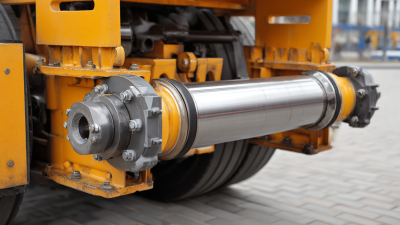
As we look ahead to 2025, the loader tilt cylinder continues to play a crucial role in the efficiency and versatility of material handling equipment. In recent years, advancements in technology and engineering have driven significant innovations in this field, enabling loader tilt cylinders to enhance performance and improve safety standards across various industries. This evolution is characterized by the integration of smart technologies, improved hydraulic systems, and materials that reduce weight while increasing durability.
The rising demand for more efficient and environmentally friendly machinery has sparked a wave of innovation surrounding loader tilt cylinders. Manufacturers are exploring new designs that reduce energy consumption, enhance precision in operation, and provide operators with greater control. Additionally, innovations in sensor technology are paving the way for real-time monitoring of tilt operations, contributing to safety and operational efficiency.
In this evolving landscape, it is essential for industry stakeholders to stay informed about the latest trends and developments related to loader tilt cylinders. Understanding these innovations not only helps in making informed purchasing decisions but also ensures that businesses can adapt to the changing demands of the marketplace. As we delve deeper into the key trends and innovations for loader tilt cylinders leading up to 2025, it becomes evident that they are set to redefine standards in the material handling sector.
Emerging Technologies in Top Loader Tilt Cylinders for 2025
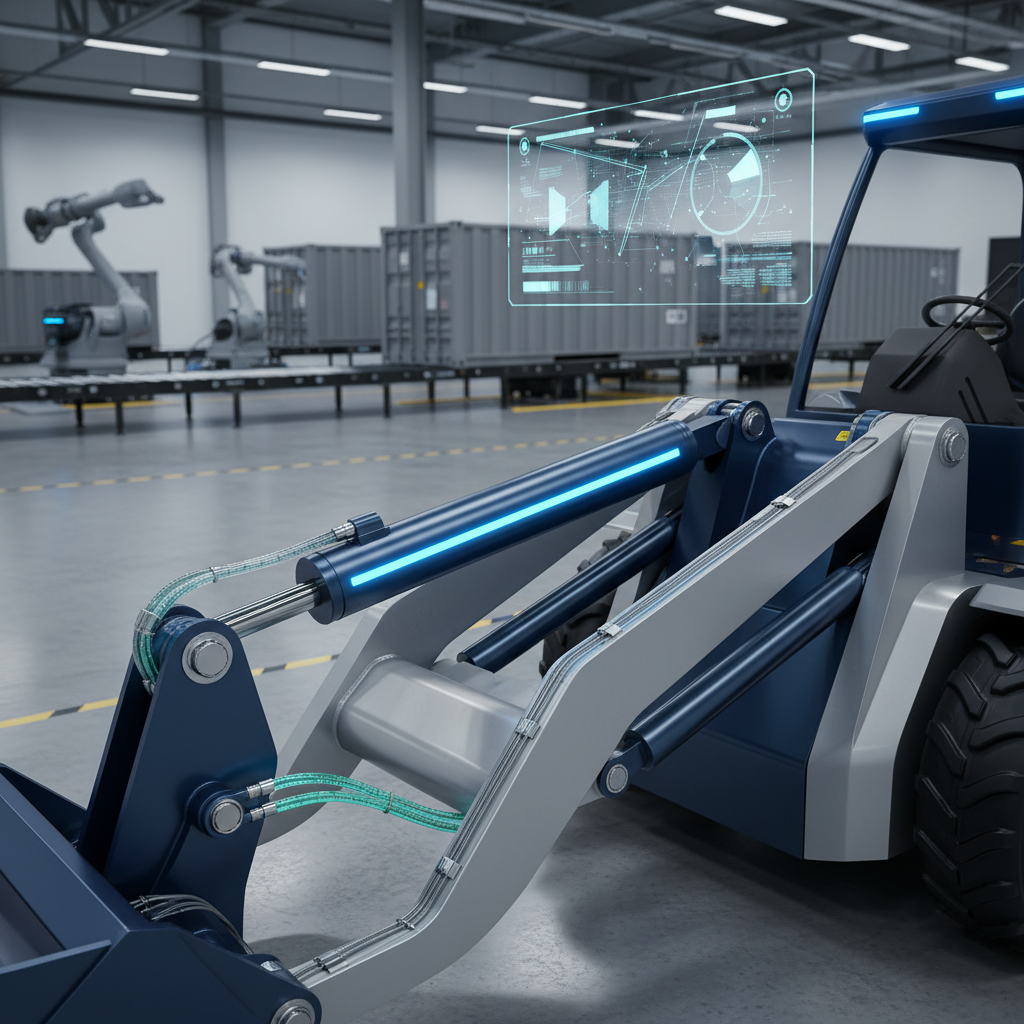
As we look ahead to 2025, the landscape of top loader tilt cylinders is set to undergo significant transformation driven by emerging technologies. One of the foremost innovations is the integration of smart sensors that monitor performance in real-time. These sensors can detect load imbalances, pressure fluctuations, and mechanical wear, allowing operators to optimize performance and conduct predictive maintenance. This approach not only enhances safety but also extends the lifespan of the equipment by addressing issues before they escalate.
Another promising advancement lies in the use of advanced materials and manufacturing techniques. The adoption of lightweight composite materials can lead to cylinders that are not only more durable but also more efficient. Coupled with 3D printing technology, manufacturers can produce custom parts quickly and at a lower cost. This innovation could revolutionize the assembly and repair processes, reducing downtime and improving overall operational efficiency in various industries that rely on top loader equipment.
Top Loader Tilt Cylinder Trends and Innovations for 2025
| Dimension |
Current Value (2023) |
Projected Value (2025) |
Trend/Innovation |
| Cylinder Stroke Length |
600 mm |
700 mm |
Extended stroke capabilities for increased flexibility |
| Max Operating Pressure |
210 bar |
250 bar |
Higher pressure ratings for improved performance |
| Weight |
75 kg |
70 kg |
Focus on lightweight materials for efficiency |
| Control System |
Manual |
Electronic |
Shift towards automated control systems |
| Materials Used |
Steel |
Alloy composites |
Transition to more durable and corrosion-resistant materials |
Environmental Impact and Sustainability in Cylinder Design Innovations
As the industry looks forward to 2025, the trend towards sustainability in the design of top loader tilt cylinders is becoming increasingly paramount. Engineers are prioritizing the use of eco-friendly materials that not only reduce the environmental footprint during production but also contribute to a decrease in overall waste. Innovations in composite materials and recycled metals are paving the way for more sustainable cylinder designs, which maintain structural integrity while minimizing environmental impact.
Moreover, advancements in manufacturing processes such as additive manufacturing and precision engineering are allowing for the creation of lighter and more efficient cylinders. These innovations are not just about improving performance; they also focus on reducing the energy consumption during operation. By optimizing the design to decrease weight and enhance hydraulic efficiency, manufacturers are striving for a double benefit: enhanced performance and improved sustainability. This evolution in design philosophy reflects an industry-wide commitment to embracing greener practices, aligning with global efforts to mitigate climate change and promote environmental stewardship.
Top Loader Tilt Cylinder Innovations and Sustainability Trends for 2025
This chart shows the distribution of innovation focuses for top loader tilt cylinders in 2025, emphasizing the significance of recyclable materials, energy efficiency, safety features, longevity, and cost-effectiveness in design innovations aimed at reducing environmental impact.
Advancements in Materials for Enhanced Performance in Tilt Cylinders
The advancements in materials for tilt cylinders in top loader applications are set to revolutionize the industry by 2025. As manufacturers seek to enhance performance and reduce overall machine weight, innovative materials such as high-strength composites are becoming pivotal. These lightweight materials not only improve the efficiency of tilt cylinders but also contribute to better durability under varying loads. The shift towards more sustainable and recyclable materials is also gaining momentum, aligning with the larger trend in the automotive and machinery sectors to embrace environmentally friendly practices.
Market reports indicate that the automotive balance shaft market is projected to grow from approximately USD 15.68 billion in 2025 to USD 21.94 billion by 2032. This growth is driven by advancements in materials that enhance performance in key components like tilt cylinders, which play a crucial role in vehicle dynamics and stability. With rapid innovation in material science, including the integration of advanced alloys and synthetic composites, the performance of tilt cylinders is expected to significantly improve, offering greater efficiency and reliability in future top loader designs.
Key Industry Players Driving Innovations in Top Loader Technology
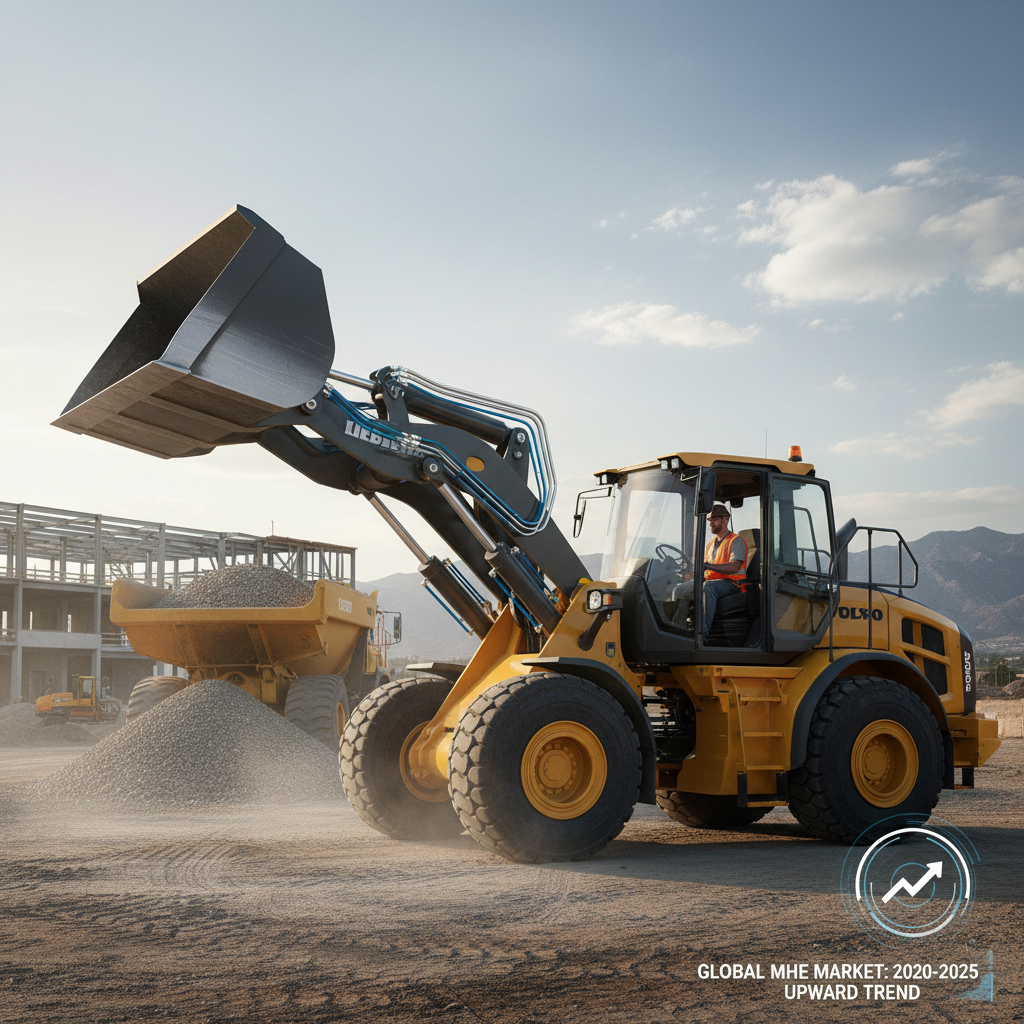
The top loader market is undergoing significant transformations, fueled by advancements in tilt cylinder technology that enhance both performance and safety. Leading industry players such as Liebherr, Caterpillar, and Volvo are at the forefront of this innovation, focusing on creating more efficient hydraulic systems. According to a recent report by MarketsandMarkets, the global market for material handling equipment, which includes top loaders, is expected to grow from USD 223 billion in 2020 to USD 282 billion by 2025, highlighting the increasing demand for sophisticated machinery.
In 2025, key innovations are expected to stem from the integration of IoT technology and AI-driven analytics. These developments allow operators to monitor and adjust machine performance in real-time, which can lead to a reported efficiency increase of up to 30%. Furthermore, according to a study from Research and Markets, the tilt cylinder advancements will contribute to improved lifting capabilities and reduced maintenance costs, with predictive maintenance solutions projected to lower downtime by approximately 25%. This robust environment of innovation underlines the importance of collaboration between manufacturers and tech companies, ensuring that the evolution of top loader technology meets the rising demands of various industries.
Future Challenges and Opportunities in the Tilt Cylinder Market for 2025
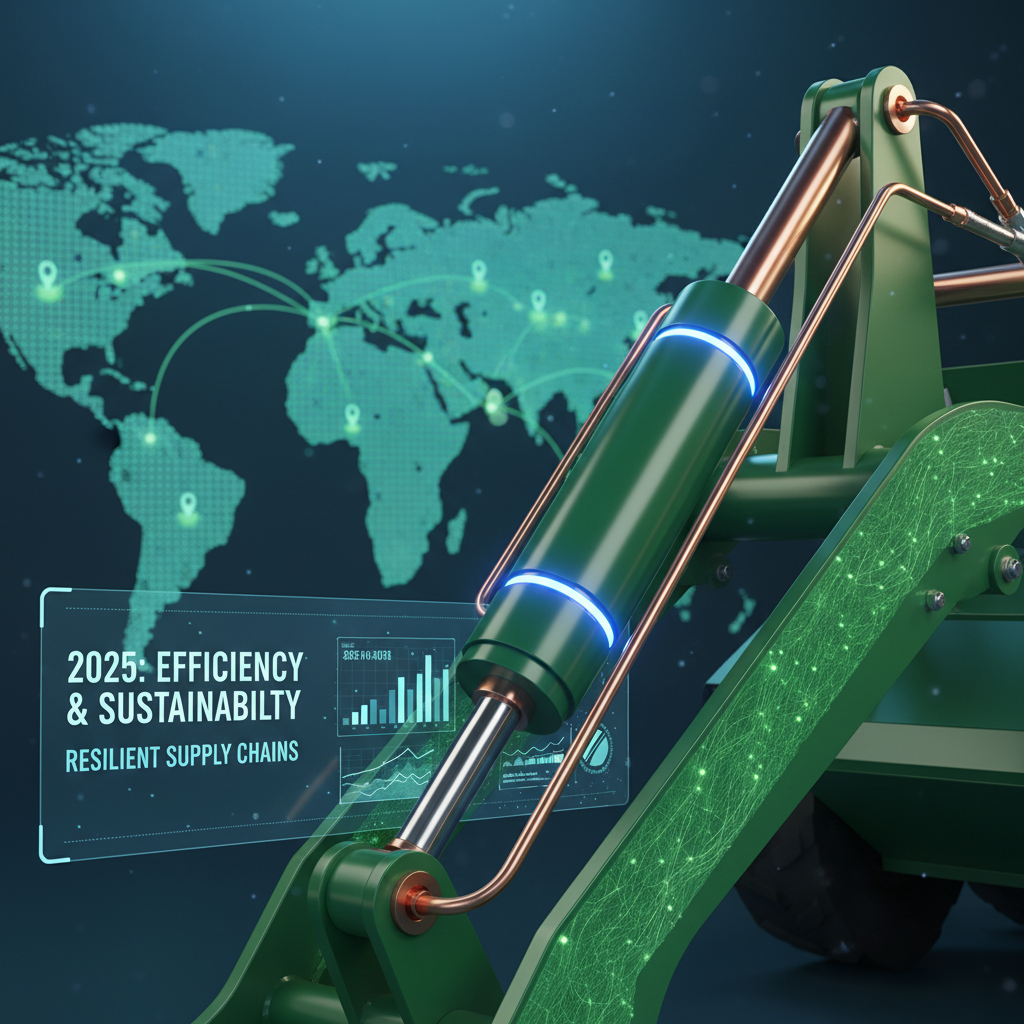
As we look toward 2025, the tilt cylinder market for top loaders is poised to encounter both significant challenges and promising opportunities. One of the primary challenges is the increasing demand for efficiency and sustainability. As industries shift their focus towards environmentally friendly practices, tilt cylinder manufacturers will need to innovate by developing more energy-efficient designs that reduce operational costs without compromising performance. Additionally, the supply chain disruptions experienced in recent years have prompted a reevaluation of sourcing strategies, emphasizing the need for more resilient and localized supply networks.
On the opportunity front, advancements in technology are set to revolutionize tilt cylinder functionalities. The integration of smart technology, such as IoT and predictive maintenance capabilities, can enhance the operational reliability of tilt cylinders, allowing for real-time monitoring and performance optimization. Furthermore, the growing emphasis on automation in material handling processes presents a chance for manufacturers to develop advanced tilt cylinder solutions that can seamlessly integrate with automated systems. Companies that can effectively navigate these challenges while leveraging technological innovations are likely to gain a competitive edge in the tilt cylinder market by 2025.

 +86-13349293098
 Contact WhatsApp
 Contact Email