How to Choose the Best Slewing Ring for Your Project?
Choosing the right slewing ring is essential for any engineering project. According to Dr. Alex Thompson, a prominent slewing ring specialist, “Selecting the right slewing ring can make or break the success of your operation.” His insight underscores the importance of careful consideration.
Slewing rings are critical components in machinery, providing rotational movement. Projects can vary greatly in scale and complexity. Each application demands specific features from the slewing ring, such as load capacity and durability. An inappropriate choice can lead to mechanical failures and costly downtime.
Engineering challenges often arise when trying to match a slewing ring to project requirements. Every decision can have significant implications. Researching different manufacturers and their offerings is crucial. Relying solely on specifications may lead to oversights. A combination of expert advice and practical experience will guide you to the best slewing ring for your needs. Understanding the nuances of each option will empower you to make informed choices that enhance project success.
Understanding Slewing Rings and Their Applications
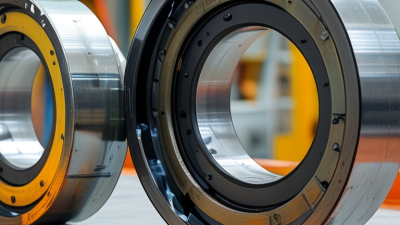
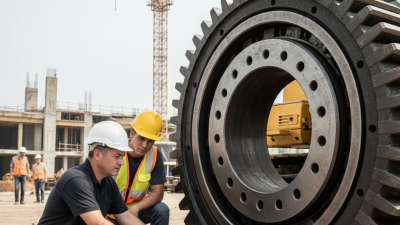
Slewing rings are essential components in various machinery, offering rotational movement and stability. They support heavy loads while enabling precise guidance. Commonly found in cranes, wind turbines, and robotic arms, slewing rings play a critical role in enhancing efficiency. Understanding their applications helps in selecting the right type for your project.
Choosing the best slewing ring involves knowing its materials and structure. Different materials, like steel or aluminum, cater to varied environments. Each application has unique demands regarding load capacity and rotation speed. For example, in a construction crane, durability and strength are paramount. However, in smaller robotic systems, lightweight options may be more suitable.
While many assume all slewing rings are created equal, they are not. Careful consideration of environmental factors is necessary. Factors such as temperature and humidity can influence performance. A slewing ring that works perfectly in a factory may falter outdoors. Reflecting on these elements ensures that the chosen component meets project needs effectively.
Choosing the Best Slewing Ring for Your Project
This chart illustrates the comparison of various slewing ring parameters that can influence your selection. Consider aspects like load capacity, inner diameter, and lubrication type when making your choice.
Key Factors to Consider When Selecting a Slewing Ring
When selecting a slewing ring, several key factors must be considered. One crucial aspect is the load capacity of the component. According to industry reports, the overall load capacity is influenced by the size and material of the slewing ring. For example, larger slewing rings often support heavier loads, but they may not be suitable for compact applications. Additionally, the choice of alloy can affect durability.
Another vital consideration is the operating environment. Slewing rings may encounter extreme temperatures, moisture, or corrosive substances. Data from industry studies indicate that slewing rings made with specialized coatings or materials can prolong lifespan in harsh conditions. It's essential to assess the specific stresses and environmental conditions your project may face.
Finally, the precision required in your application plays a significant role in the selection process. Applications like robotics may demand high accuracy, while standard machinery might be more forgiving. A mismatch here could lead to operational inefficiencies or mechanical failures, making careful evaluation necessary. Aim for a slewing ring that not only meets your current needs but also accommodates future requirements.
Materials and Construction Types for Slewing Rings
When selecting a slewing ring for a project, material and construction type play crucial roles. Slewing rings can be made from various materials such as steel, aluminum, and plastic. Steel is popular for its strength and durability. However, it can be heavy. Aluminum is lightweight and corrosion-resistant. It may not be as strong as steel but works well for specific applications. Plastic is often used for low-load conditions. Each material comes with advantages and disadvantages that need consideration.
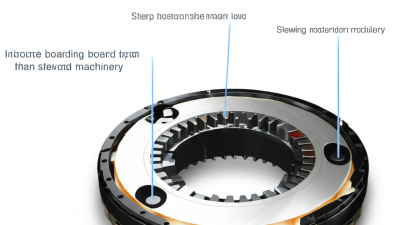
Construction types also affect slewing ring performance. There are typically two types: single-row and double-row slewing rings. Single-row rings are more compact and lighter, ideal for applications with limited space. In contrast, double-row designs distribute loads better and enhance stability. However, they occupy more space and add weight. It's essential to evaluate your project's specific requirements against these options.
When making your choice, think about your load capacity and environmental conditions. A weaker material might not endure harsh conditions. Visualizing your project will help identify the best option. Always reflect on how minor details can impact overall performance. Assessing your project's unique needs will lead to more informed decisions.
Evaluating Load Capacity and Performance Requirements
When selecting a slewing ring, evaluating load capacity and performance is crucial. The load capacity defines how much weight the ring can handle. Understand your project's specific needs. Consider both static and dynamic loads. Static loads remain still, while dynamic loads change with movement. This distinction affects the slewing ring's design and materials.
Performance requirements also play a key role. Think about the speed and frequency of operations. Some projects demand quick rotations, while others need slow, steady movement. Environmental factors matter too. Will the slewing ring face extreme temperatures or moisture? Such conditions can compromise performance. It's essential to contemplate these aspects early in the design phase.
Reflect on your choices as well. Have you considered all variables? Sometimes, oversights can lead to equipment failures. It's wise to consult with professionals who understand slewing rings thoroughly. Their insights can illuminate the complexities you may overlook. Make an informed decision to ensure your project's success.
Maintenance and Longevity of Slewing Rings in Projects
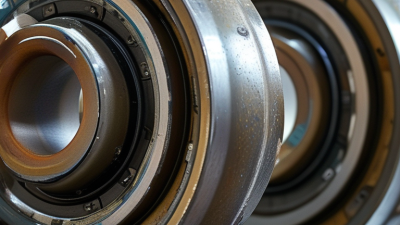
Maintaining slewing rings is crucial for the longevity of your project. These components often bear heavy loads and rotational demands. Regular inspection is vital. Look for signs of wear, such as surface damage or unusual noises during operation. These early warnings can prevent costly failures later.
Lubrication is another key area to focus on. Proper lubrication reduces friction and heat generation, extending the slewing ring's lifespan. Using the correct type of lubricant is essential. It ensures smooth operation and prevents rust or corrosion. Monitor lubrication levels frequently. This small task saves time and resources in the long run.
Finally, environmental factors play a significant role in maintenance. Dust, moisture, and extreme temperatures can affect performance. Implementing protective measures, such as seals or covers, can shield slewing rings from harmful elements. Evaluating the operating environment regularly is advisable. This practice can help anticipate wear and mitigate risks, ensuring that your project runs smoothly over time.

 +86-13349293098
 Contact WhatsApp
 Contact Email