How to Choose the Right Slewing Ring for Your Project?
When embarking on a project that involves heavy machinery or rotating equipment, selecting the right slewing ring is crucial. Slewing rings, also known as turntable bearings, enable smooth rotation and support significant loads. The performance of your equipment hinges on this choice.
Understanding the specifications and requirements of your project is essential. A slewing ring’s size, load capacity, and design will impact both efficiency and safety. Each project has unique needs, which can make the selection process daunting. Many overlook the importance of consulting with industry experts to ensure they make an informed decision.
Think beyond basic specifications. Consider the environment where the slewing ring will operate. Factors like temperature, exposure to moisture, and dirt can affect performance. Regular maintenance becomes vital for longevity. It's important to reflect on whether you have the right expertise or support to choose correctly. Choosing a slewing ring is not a trivial decision; it requires careful thought and analysis.
Understanding Slewing Rings: Definition and Applications
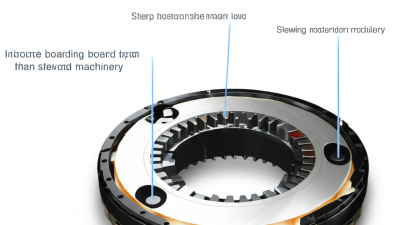
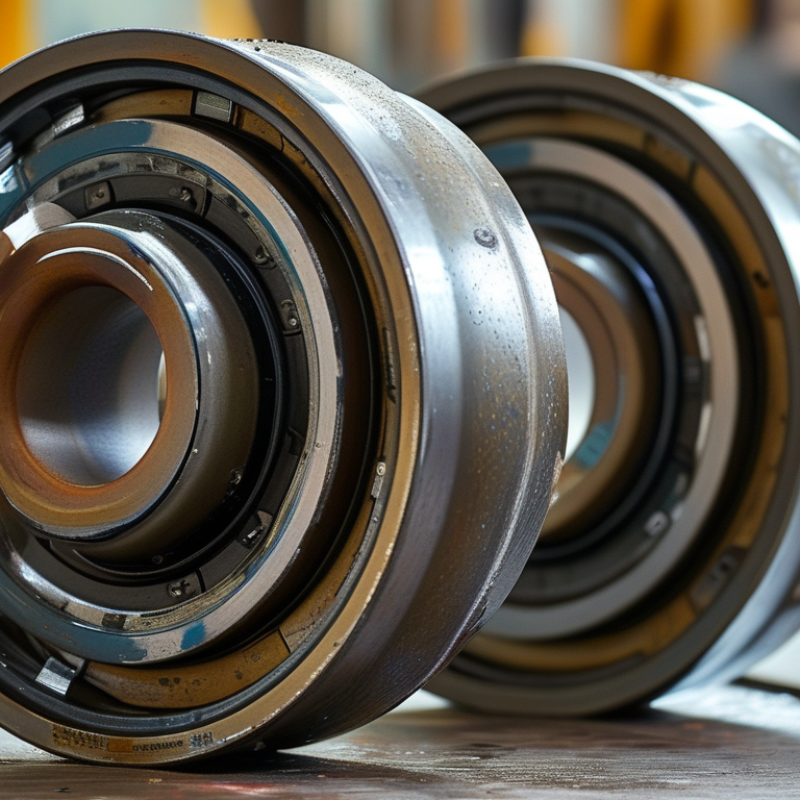
Slewing rings are crucial components in many machines and structures. They enable rotary motion by allowing parts to turn around a central axis. Many industries, including construction and robotics, rely on their precise functionality. Understanding the different types and applications of slewing rings is essential.
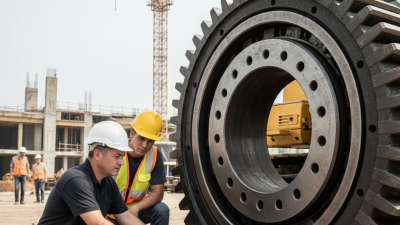
There are various applications for slewing rings. They are used in cranes, wind turbines, and even in heavy machinery. Each application requires specific considerations. For example, crane applications need slewing rings that can handle significant loads and stresses. In contrast, lighter machinery may prioritize speed and agility over load-bearing capacity. Not all slewing rings are created equal. It's important to analyze the unique requirements of each project.
When selecting a slewing ring, focus on compatibility with your machinery. Examine the load requirements, environmental conditions, and rotation speed. Sometimes, adjustments or custom features may be necessary. It is not uncommon for engineers to overlook subtle factors like mounting dimensions. Each detail can impact performance and safety in real-world applications. Regular assessment of your choice can prevent potential issues in your project.
How to Choose the Right Slewing Ring for Your Project?
This chart illustrates the distribution of various factors to consider when selecting a slewing ring for your application.
Key Factors to Consider When Selecting a Slewing Ring
Choosing the right slewing ring is crucial for project success. Several key factors influence this decision. Load capacity plays a significant role. Data shows that a slewing ring must support the weight of the machinery it will serve. Oversizing can lead to unnecessary costs. Conversely, underestimating load requirements risks failure.
Operating conditions also matter. Temperature variations, environmental elements, and lubrication type are essential considerations. For example, some slewing rings perform poorly in extreme heat or cold. Industry reports suggest that misjudging these conditions can reduce service life by up to 30%. Not all materials are suitable for every environment, so understanding the specific use case is vital.
Additionally, maintenance needs should be evaluated. A slewing ring that requires excessive upkeep can disrupt project timelines. Regular inspections and actual usage patterns will guide efficient maintenance practices. Balancing durability with manageable maintenance is a nuanced but necessary task. Too much emphasis on one aspect can lead to overlooked concerns in another area. All these factors intertwine, making it essential to approach slewing ring selection with care and thoroughness.
Common Materials and Designs for Slewing Rings
When selecting a slewing ring, material plays a crucial role. Most slewing rings are made from steel, due to its strength and durability. Carbon steel provides excellent mechanical properties, best suited for heavy-load applications. However, it’s important to consider the environment. For corrosive settings, stainless steel is often the better choice. It resists rust and degradation, but usually at a higher cost.
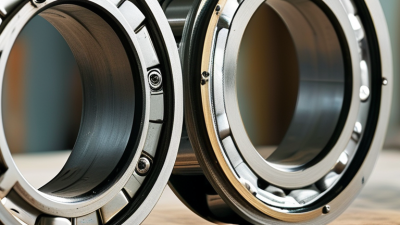
Designing a slewing ring also requires attention to detail. There are various designs available. Some incorporate single-row ball bearings, while others use double-row arrangements. The choice largely depends on the load capacity and the operational requirement. A slewing ring with balls typically offers lower friction. Nonetheless, this can lead to wear over time. In contrast, roller designs can support heavier loads, but might increase operational noise.
Choosing the right combination of materials and designs is not simple. It’s essential to think about the future, too. Will the slewing ring withstand the test of time? Running simulations or seeking expert advice can offer insights but might not guarantee results. Reflecting on your project requirements thoroughly ensures a more reliable selection.
Assessing Load Capacity and Performance Requirements
Choosing the right slewing ring for your project involves understanding its load capacity and performance requirements. Load capacity is critical. It defines how much weight the slewing ring can support. This aspect is often determined by the materials used in its construction and the design specifications. For instance, heavier loads require stronger materials and larger diameters. Consider the working conditions too. High temperatures or corrosive environments can impact performance.
Performance requirements also play a vital role. These include speed, precision, and the type of motion needed. For applications requiring smooth and rapid rotation, a slewing ring with lower friction is essential. However, you might have to balance speed with load stability. A ring that works well under high speeds may not handle heavy loads effectively.
It's important to gather data on both load capacity and performance metrics. This helps ensure the slewing ring matches your project’s demands. Engaging with experts can provide insights, but remember, even expert recommendations can have limitations. Reflect on your project's unique conditions to make the best choice.
How to Choose the Right Slewing Ring for Your Project? - Assessing Load Capacity and Performance Requirements
| Model |
Load Capacity (kN) |
Outer Diameter (mm) |
Inner Diameter (mm) |
Height (mm) |
Weight (kg) |
Applications |
| SR-120 |
50 |
1200 |
800 |
60 |
45 |
Construction Equipment |
| SR-150 |
80 |
1500 |
1000 |
70 |
60 |
Mining Machinery |
| SR-200 |
120 |
2000 |
1400 |
80 |
75 |
Wind Turbines |
| SR-250 |
150 |
2500 |
1800 |
90 |
90 |
Heavy Equipment |
Maintenance and Durability: Ensuring Longevity of Slewing Rings
When it comes to slewing rings, maintenance is crucial for ensuring longevity. Regular inspections can prevent unexpected failures. Lubrication is key to reducing wear. It helps to maintain smooth operation and extends the life of the slewing ring.
Tips: Always use the recommended lubricant type. Too much or too little can damage the ring. A clean environment is essential. Dirt and debris can cause premature wear and tear.
Current designs may not account for all operating conditions. It’s important to examine how environmental factors may affect performance. Temperature fluctuations can alter material properties. Always consider the specific needs of your project.
Tips: Monitor operating conditions closely. If conditions change, adjust maintenance schedules accordingly. It may seem minor, but regular adjustments can make a big difference. Don't overlook small signs of wear; they can signal larger issues ahead.

 +86-13349293098
 Contact WhatsApp
 Contact Email