How to Choose the Right Wheel Lift Cylinder?
Selecting the right Wheel Lift Cylinder affects lifting stability, service life, and operator confidence. A poorly matched cylinder may drift, bend its rod, or overheat the hydraulic system. These failures often begin with small errors in load calculation, mounting geometry, or seal selection. The machine may still look functional. That is the risk.
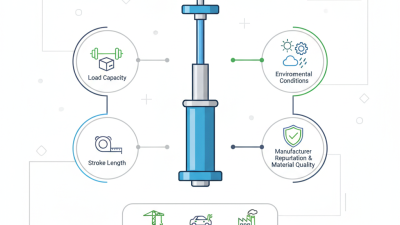
Industry reports show why cylinder selection deserves careful attention. Grand View Research’s 2024 Hydraulic Cylinders Market report identifies construction, transport, and material-handling equipment as important demand sectors. MarketsandMarkets’ 2024 hydraulic equipment analysis also points to automation, uptime, and efficient power transmission as continuing market priorities. These findings support a practical lesson: a wheel-lift component must be judged by working conditions, not catalog appearance. A fleet technician should confirm rated pressure, bore diameter, rod diameter, stroke length, retracted length, and mounting style. The cylinder must also match the pump, relief-valve setting, hoses, and available frame space.
Measure twice.
Real-world inspection adds information that brochures cannot provide. Look for side loading, uneven tire contact, damaged chrome, and oil marks around the gland. Road salt, temperature changes, vibration, and repeated short strokes can shorten seal life. ISO 6020/2 and ISO 6022 provide useful dimensional and pressure references, but they do not replace application testing. Manufacturer drawings, maintenance records, and verified load data should guide the final choice. Some assumptions may still be wrong. That uncertainty deserves review before purchase. The following guide explains how to compare specifications, evaluate installation risks, and select a Wheel Lift Cylinder that supports dependable service.
Understanding the Function and Role of a Wheel Lift Cylinder
How to Choose the Right Wheel Lift Cylinder?
Understanding the Function and Role of a Wheel Lift Cylinder
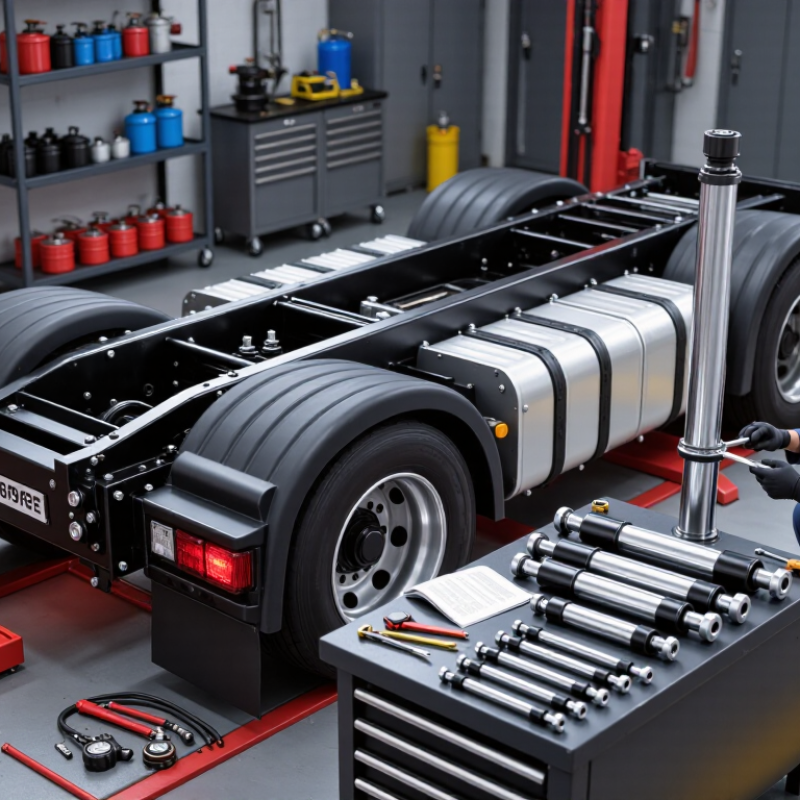
A wheel lift cylinder converts hydraulic pressure into controlled mechanical movement. It extends or retracts the rod, raising and lowering the wheel lift assembly. This action must remain smooth under changing loads and road conditions. Small leaks matter. They can reduce lifting force and create uneven movement.
During inspection, check the cylinder body, rod surface, seals, and mounting pins. Look for oil around the seal or rust on the exposed rod. A clean rod usually protects the seal better, but appearance can mislead. Internal wear may exist without visible damage. Measure the current cylinder carefully. Record bore diameter, stroke length, rod diameter, and mounting dimensions.
When choosing a replacement, match the required force and operating pressure. The cylinder must fit the available space without binding. Its stroke should provide the needed lift range, not merely resemble the old part. Consider load frequency, temperature, moisture, and maintenance access. A heavier cylinder is not automatically better. Excess capacity may add weight and affect system response. I would not rely on a visual match alone. Manufacturer specifications, equipment measurements, and advice from a qualified hydraulic technician provide stronger evidence. Some choices still involve compromise, especially when space or budget is limited.
Identifying the Correct Cylinder Type for Your Wheel Lift
How to Choose the Right Wheel Lift Cylinder?
Identifying the correct cylinder type starts with the wheel lift’s movement. A single-acting cylinder uses hydraulic pressure in one direction and returns with gravity or a spring. It suits simple lifting systems with a controlled lowering path. A double-acting cylinder uses pressure for both extension and retraction. This design offers better control when positioning a loaded vehicle.
Check the existing cylinder before ordering. Measure the bore, rod diameter, closed length, extended length, and mounting-pin sizes. Record the port location and thread type. A cylinder that looks similar may still have the wrong stroke. I once focused too closely on the outer length and overlooked the mounting angle. That small mistake changed the lift’s operating range.
The working load also matters. Compare the cylinder’s rated pressure with the hydraulic system’s actual pressure. Leave a reasonable safety margin for shock loads and uneven weight distribution. Inspect seals, rod plating, and wiper condition when the wheel lift works near water, road salt, or dirt. A welded cylinder may fit heavy-duty equipment, while a tie-rod design can simplify service access. Check the movement slowly after installation. Watch for twisting, leakage, unusual noise, or uneven extension. Do not rely on appearance alone. The manufacturer’s technical dimensions and operating ratings remain the most reliable reference.
How to Choose the Right Wheel Lift Cylinder?
The chart shows the theoretical extension force of hydraulic cylinders with different bore diameters at a reference pressure of 2,000 psi (13.8 MPa). Actual wheel-lift capacity depends on cylinder geometry, rod diameter, linkage angle, safety factor, and the manufacturer's rated working pressure.
Select a single-acting cylinder when hydraulic power is needed mainly in one direction and the return movement can use gravity or a mechanical spring. Choose a double-acting cylinder when both extension and retraction must be hydraulically controlled. A telescopic cylinder is useful when a long stroke is required but installation space is limited. The force values shown are calculated from F = P × π × bore² ÷ 4 and do not include losses.
Matching Cylinder Specifications to Equipment Requirements
How to Choose the Right Wheel Lift Cylinder?
Matching Cylinder Specifications to Equipment Requirements
Choosing a wheel lift cylinder starts with the equipment, not the catalog page. Measure twice. Record the required lifting force, stroke length, retracted length, and available mounting space. A cylinder with enough force may still fail if its stroke does not reach the lifting position safely.
Calculate the working load under real conditions. Include the wheel, attachment, uneven ground, and possible shock loads. The required bore size depends on hydraulic pressure and force. Rod diameter also matters, especially when the cylinder faces bending or repeated impacts. That shortcut fails. Never treat side loading as normal cylinder operation.
During field inspections, I check pin alignment before blaming the cylinder. Poor alignment can damage seals, bend the rod, and create uneven wear. Select suitable seals for the hydraulic fluid, temperature range, dust, and moisture exposure. Check the pump’s flow rate too, because excessive speed can cause harsh movement and seal damage. A pressure rating should exceed normal operating pressure, with a practical safety margin.
Mounting details deserve equal attention. Confirm pin diameter, clevis width, rotation angle, and hose clearance. Protective guards may be necessary near gravel, mud, or road debris. Keep installation records, including measured pressure and cycle behavior. One overlooked detail remains common: the cylinder fits physically, but the equipment frame cannot withstand its full force.
Evaluating Materials, Seals, and Operating Conditions
How to Choose the Right Wheel Lift Cylinder?
Material choice should match the wheel lift’s daily punishment. A honed steel barrel supports pressure stability, while a hardened, chrome-plated rod resists scoring from dust and uneven loading. Stainless steel may suit salt exposure, but it can increase cost and still needs correct surface finishing. Grand View Research estimated the global hydraulic cylinders market at approximately USD 14.5 billion in 2023, showing how widely these components operate across demanding equipment.
Seals deserve equal attention. Nitrile seals work well with common hydraulic oils and moderate temperatures. Polyurethane offers stronger abrasion resistance, but it may harden in extreme heat. FKM handles higher temperatures and aggressive fluids, although it is not automatically the best choice. ISO 3601-1 specifies dimensional requirements for O-rings, while ISO 4406 provides a cleanliness code for hydraulic fluid. Contaminated oil can damage a seal faster than pressure alone. Side loads also matter. A cylinder rated for the correct pressure may still fail early when the rod is misaligned. I would not choose the hardest seal by habit; that shortcut can fail in cold service.
Tips:
Check the actual oil temperature, pressure spikes, stroke speed, and salt exposure. Measure rod alignment during full extension. Leave room for imperfect maintenance. The cleanest design on paper may not survive neglected filtration. Review ISO 4406 cleanliness targets, and record seal wear after the first service interval.
Checking Installation, Maintenance, and Safety Considerations
Choosing the right wheel lift cylinder starts with installation details, not only lifting capacity. Confirm the rated load, stroke length, retracted height, mounting points, and hydraulic pressure. The cylinder must align with the lift arm through its full movement. Even slight side loading can score the piston rod or damage seals. Follow the equipment manufacturer’s torque values and relevant lifting-equipment guidance, such as ASME PALD requirements.
Installation needs a controlled test. Bleed trapped air, check hose routing, and test the lift without a vehicle first. Then use a suitable test load while watching for drift, unusual noise, or uneven movement. A mechanical safety lock should carry the load during service. Hydraulic pressure alone is not enough. The U.S. Bureau of Labor Statistics recorded 5,283 fatal workplace injuries in 2023; this figure is not specific to wheel lifts, but it shows why basic controls matter.
Tips: Inspect the rod for rust, dents, and oil film before every shift. Check seals and fittings weekly, and record pressure or leakage changes. Replace damaged hoses instead of patching them. Keep contact surfaces clean. Do not work beneath a raised vehicle without approved mechanical support. I have seen maintenance schedules treated as paperwork, which is a mistake. Still, even a careful schedule cannot replace a hands-on inspection. Small leaks can become sudden failures, especially in cold or dirty workshops.

 +86-13349293098
 Contact WhatsApp
 Contact Email