What is a Hydro Cylinder and How Does It Work?
Hydro cylinders are vital components in hydraulic systems. They convert hydraulic energy into mechanical force. This process allows them to lift, push, and pull heavy loads with precision. Their design is straightforward yet effective, utilizing fluid dynamics to create powerful movements.
Understanding how a hydro cylinder functions reveals its importance in various industries. These cylinders operate by manipulating fluid pressure in a sealed chamber. The fluid moves in and out, thus extending or retracting the cylinder. This action is crucial in construction, manufacturing, and automotive applications, among others.
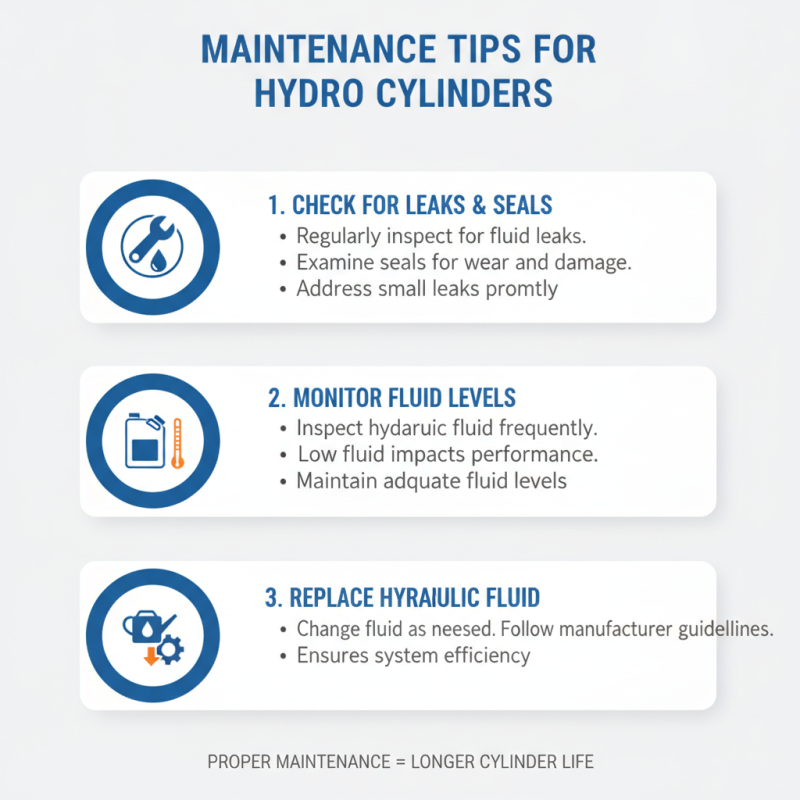
However, despite their efficiency, hydro cylinders can sometimes present challenges. Leaks may occur, which compromises performance and safety. Regular maintenance is essential to ensure reliable operation. Being aware of these pitfalls can lead to better management of equipment and enhance overall productivity.
What is a Hydro Cylinder?
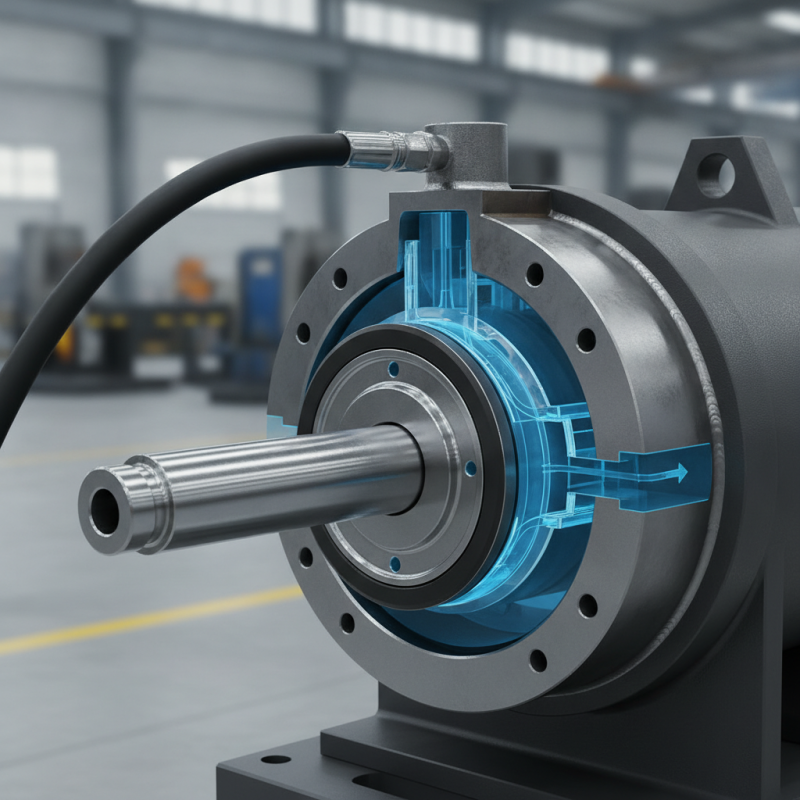
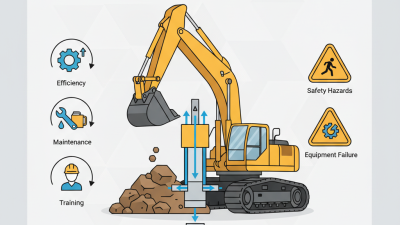
A hydro cylinder, often referred to as a hydraulic cylinder, is a critical component in various machinery. It uses hydraulic pressure to generate linear force. This device consists of a cylinder barrel, a piston, and hydraulic fluid. When the fluid is pressurized, it moves the piston, creating motion. This simple yet effective principle is widely used in construction equipment, vehicles, and industrial machines.
Hydro cylinders are designed to handle heavy loads and operate in tough conditions. They can be seen lifting massive weights in construction sites or maneuvering heavy machinery. However, regular maintenance is essential to ensure their reliability. Wear and tear can lead to leaks and decreased performance, which can compromise safety. Even the most robust can suffer from issues like seal failure. It's vital to conduct periodic inspections and be proactive about repairs.
Understanding the mechanics of hydro cylinders empowers operators. It fosters better handling and maintenance practices. Despite their strength, they are not invincible. A little knowledge goes a long way in maximizing their potential and longevity.
Hydro Cylinder Usage Statistics
Key Components of a Hydro Cylinder
A hydro cylinder, also known as a hydraulic cylinder, is crucial in various mechanical applications. Its main function is to convert hydraulic energy into linear motion. Understanding its key components helps to appreciate its role better.
The cylinder itself is a tube that houses a piston. The piston is vital as it moves back and forth inside the cylinder, driven by high-pressure hydraulic fluid. Seals ensure no leakage occurs, maintaining the cylinder's efficiency. A rod connects the piston to the machinery, transferring motion effectively. The end fittings hold everything together, allowing it to be mounted securely.
Hydraulic fluid also plays a vital role. It must be clean to prevent damage and maintain the system’s performance. Regular checks of the seals and fluid levels should not be overlooked. Investing in proper maintenance ensures longevity, but not everyone does it. Hydraulics can be powerful and efficient, yet simplicity in design can sometimes lead to oversights. Knowing these details can empower users to engage more thoughtfully with hydraulic systems.
What is a Hydro Cylinder and How Does It Work? - Key Components of a Hydro Cylinder
| Component |
Function |
Material |
Common Applications |
| Cylinder Body |
Houses hydraulic fluid and creates pressure. |
Steel or Aluminum |
Construction machinery, automotive lifts |
| Piston |
Converts hydraulic energy into mechanical movement. |
Steel or Cast Iron |
Press brakes, CNC machines |
| Seals |
Prevent hydraulic fluid leaks and maintain pressure. |
Rubber or Composite Materials |
Agricultural equipment, industrial machinery |
| End Caps |
Caps on either end of the cylinder that contain the piston. |
Steel or Aluminum |
Heavy equipment, lifting devices |
| Hydraulic Fluid |
Transmits power within the hydraulic system. |
Mineral Oil or Synthetic Fluids |
Robotic systems, mobile equipment |
Principle of Operation for Hydro Cylinders
Hydro cylinders operate on basic hydraulic principles.
They convert hydraulic fluid pressure into mechanical energy.
This energy then moves the cylinder rod, driving machinery or tools.
The design of a hydro cylinder includes a piston housed in a cylinder.
When hydraulic fluid enters, it pushes the piston. The force creates motion.
The amount of force depends on the fluid pressure and the piston area.
Correct calculations are essential for efficiency.
It's interesting to note how small design flaws can lead to
significant issues. A minor leak can affect performance drastically.
Regular maintenance and inspections are vital. They ensure the system works optimally and
avoids costly breakdowns. Hydro cylinders, while straightforward, require careful attention to
detail, especially in high-stakes environments.
Applications of Hydro Cylinders in Various Industries
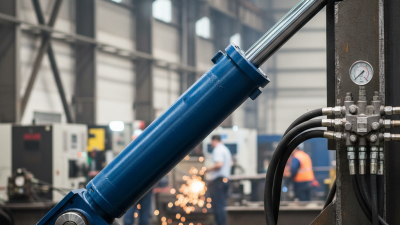
Hydro cylinders play a vital role in numerous industries. Their ability to convert hydraulic energy into linear motion enables various applications. In manufacturing, hydro cylinders are essential for power presses and conveyor systems. They provide consistent force and high precision, crucial for automated processes. In construction, these cylinders assist in heavy lifting and material handling. They help lift loads that are otherwise unmanageable, ensuring safety and efficiency.
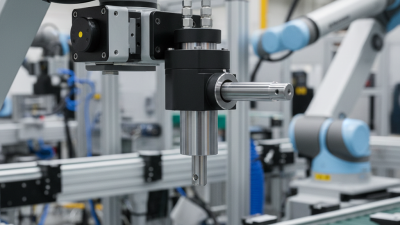
In the automotive sector, hydro cylinders are used in assembly lines. They enable precise movements of robotic arms, enhancing productivity. Agriculture also benefits, with hydro cylinders powering equipment such as harvesters and plows. This technology improves farming efficiency and reduces manual labor. However, reliance on hydro cylinders does come with challenges. Regular maintenance is necessary to prevent leaks and failures.
Tips: Always check for fluid leaks and wear. Keeping a maintenance schedule prolongs the life of the equipment. When using hydro cylinders, proper training is critical for operators. Safety should always come first to avoid accidents. Remember, even well-maintained systems can sometimes malfunction, leading to downtime. Adaptation and continuous learning in hydro cylinder technology are essential for optimal performance.

 +86-13349293098
 Contact WhatsApp
 Contact Email