What is a Slewing Bearing and How to Choose the Right One?
Slewing bearings are crucial components in various heavy machinery and equipment. They enable smooth rotation and movement under heavy loads. Selecting the right slewing bearing can greatly affect performance and lifespan. However, this task is often overlooked. Many people choose based on price alone, neglecting quality considerations.
Understanding the specific requirements of your application is essential. Factors like load capacity, speed, and environment must guide your choice. A mismatch can lead to premature failure. Inadequate research can result in costly repairs and downtime. It’s vital to consult manufacturers or experienced professionals when selecting a slewing bearing.
Investing time in understanding slewing bearings pays off in the long run. Quality slewing bearings enhance operational efficiency and reliability. Reflecting on past experiences can improve future decisions. Knowledge in this area is power. Make informed choices and prioritize quality for optimal performance.
What is a Slewing Bearing?
Slewing bearings are critical components in various machinery. They enable rotational movement while supporting heavy loads, making them essential in applications like cranes, excavators, and wind turbines. According to a recent industry report, the global slewing bearing market is expected to grow significantly, reaching approximately $3.5 billion by 2025. This growth highlights the increasing reliance on slewing bearings across multiple sectors.
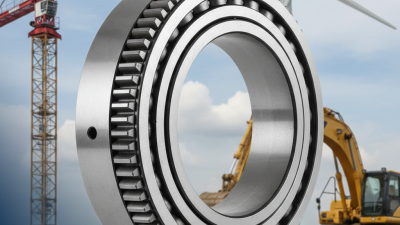
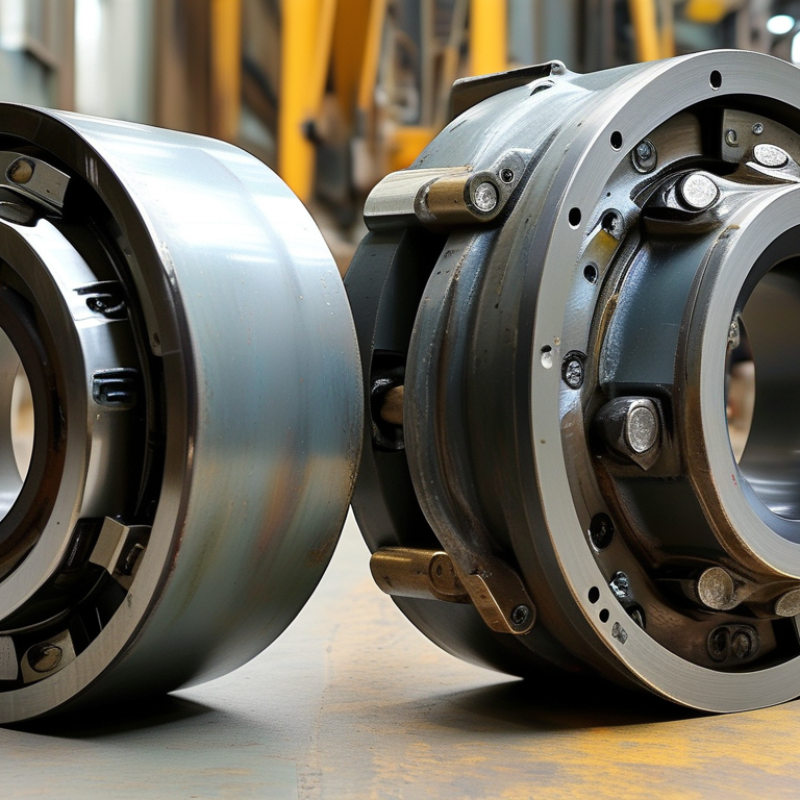
These bearings consist of inner and outer rings, along with rolling elements to facilitate smooth motion. They are designed to manage axial and radial loads simultaneously. The choice of a slewing bearing greatly impacts operational efficiency. For example, a well-chosen slewing ring can improve the reliability of a crane, potentially reducing maintenance costs by up to 15%. Yet, selecting the right bearing isn't straightforward. Factors like load capacity, diameter, and environmental conditions must be carefully evaluated.
Many users underestimate these aspects. Failure to consider factors like operating temperatures and load types can lead to premature bearing failure. Data indicates that improper selection accounts for over 30% of bearing-related failures in industrial applications. Understanding the nuances of slewing bearings is crucial for achieving optimal performance and longevity in machinery.
Key Components of Slewing Bearings
Slewing bearings are crucial components in many large machinery applications. They enable smooth rotation and support heavy loads. Understanding their key components helps in making better choices when selecting one for your project.
One primary element of a slewing bearing is the inner and outer rings. These rings form the foundation of the bearing, allowing for smooth motion. The raceways machined into these rings are where the rolling elements sit. This design is vital for load distribution. Proper alignment of these components is essential for optimal performance.
Another component is the rolling elements, which can be balls or cylindrical rollers. Their size and arrangement impact load capacity and rotational smoothness. Failing to choose the right rolling elements can lead to poor performance. Regular inspection of these parts can help prevent premature wear.
When selecting a slewing bearing, consider the operating conditions. The environment can influence material choice. Dust, moisture, and temperature variations matter. Always ensure the bearing can withstand these factors.
Pay attention to lubrication. Proper lubrication extends the life of slewing bearings. Choose a lubricant that suits the application and environmental conditions. Testing and adjusting lubrication levels can prevent issues down the line.
Types of Slewing Bearings and Their Applications
Slewing bearings are crucial components in various industries, providing essential support for rotating equipment. They come in different types, each suited for specific functions. There are three major categories of slewing bearings: single-row, double-row, and triple-row.
Single-row bearings are simple and effective for applications with moderate loads. They are often used in construction machinery and cranes. Double-row slewing bearings can handle heavier loads and are ideal for applications requiring stability, such as wind turbines. Triple-row versions offer the highest load capacity, suitable for heavy-duty machines and mining equipment.
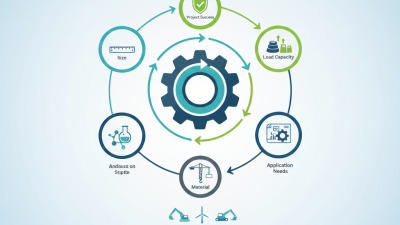
When choosing a slewing bearing, consider the application’s specific requirements. Factors include load type, rotational speed, and environmental conditions. For instance, a bearing used in harsh outdoor settings needs protection against dust and moisture. The wrong bearing can lead to operational failures and costly downtime. It’s essential to assess the material, lubrication options, and dimensions.
Precision in these areas impacts performance and longevity. Even with careful selection, regular maintenance is crucial for ensuring optimal function. Reflect on whether you’re prioritizing short-term gains over long-term reliability. Balancing these aspects can be challenging, but it is vital for productivity.
Factors to Consider When Choosing a Slewing Bearing
When selecting a slewing bearing, understanding critical factors is essential. Load capacity is a primary consideration. Slewing bearings must support the weight they will encounter. According to industry reports, choosing a bearing with insufficient load capacity can lead to premature failure. For instance, a bearing rated for a specific load may only perform reliably at 70-80% of its capacity.
Another important aspect is the size and dimensions of the bearing. Slewing bearings come in various sizes, and the right fit is vital for optimal function. Oversized or undersized bearings can cause misalignment, contributing to wear and tear over time. A study showed that a mere 2% misalignment could drastically reduce bearing life by up to 50%.
Additionally, environmental factors play a significant role. Bearings exposed to extreme temperatures or contaminants require specialized materials. Choosing proper seals can protect the bearing from debris and moisture, enhancing its longevity. Neglecting these considerations may compromise performance and lead to costly downtime. It's important to reflect on these elements critically when making a selection.
Maintenance Tips for Slewing Bearings
Slewing bearings are critical components in many machinery applications. Proper maintenance is vital for extending their service life. Regular inspection helps identify potential issues early. Look for signs of wear, such as unusual noises or reduced performance. Pay attention to lubrication. Different bearings have varying requirements for grease or oil. Ensure that you’re using the right type and amount of lubricant.
Cleaning the bearings is also essential. Dirt and debris can lead to premature failure. Make use of a soft brush to remove contaminants. After cleaning, check for signs of corrosion. It can compromise the bearing’s integrity. If you notice rust or pitting, it might be time to consider replacement.
Monitoring operating conditions is another key aspect of maintenance. Temperature and load can affect bearing performance. Ensure that the operating environment is within recommended limits. Regular documentation of maintenance activities can improve overall reliability. Not all bearings are created equal, so understand your specific needs. Taking proactive steps today can prevent costly downtime tomorrow.

 +86-13349293098
 Contact WhatsApp
 Contact Email