+86-13349293098


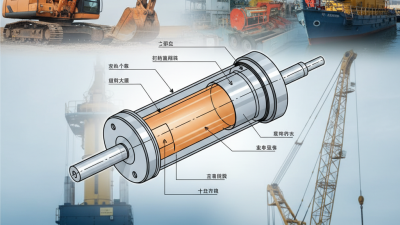
Selecting an Avm Hydraulic Cylinder is not just a matter of matching bore size. Stroke length, mounting style, operating pressure, and duty cycle all affect performance. A cylinder that fits the drawing may still struggle in the field. Small details matter. So does the environment: dust, moisture, side loading, and repeated impacts can shorten service life.
Market context makes careful selection even more relevant. Grand View Research’s Hydraulic Cylinder Market Size, Share & Trends Analysis Report estimated the global market at about USD 14.5 billion in 2023 and projected continued growth through 2030. That figure describes a broad market, not AVM product performance. It does, however, reflect how widely hydraulic cylinders support mobile equipment, manufacturing, and construction. For application insight, Purdue fluid-power researcher Dr. Andrea Vacca is a recognized authority. A practical takeaway from his published work—not a verbatim quotation—is: “Choose components around the system’s real operating conditions.” That distinction is easy to overlook. A catalog rating cannot replace checking load direction, cycle frequency, oil cleanliness, and available space.
This guide presents seven practical tips for choosing an Avm Hydraulic Cylinder. It will help you compare specifications, ask suppliers clearer questions, and spot mismatches before installation. Some requirements may remain uncertain until the machine is tested. Record them. Measure the actual mounting space, inspect the load path, and verify the pressure range against the equipment documentation. These steps are less glamorous than a quick purchase, but they can prevent avoidable wear and downtime.
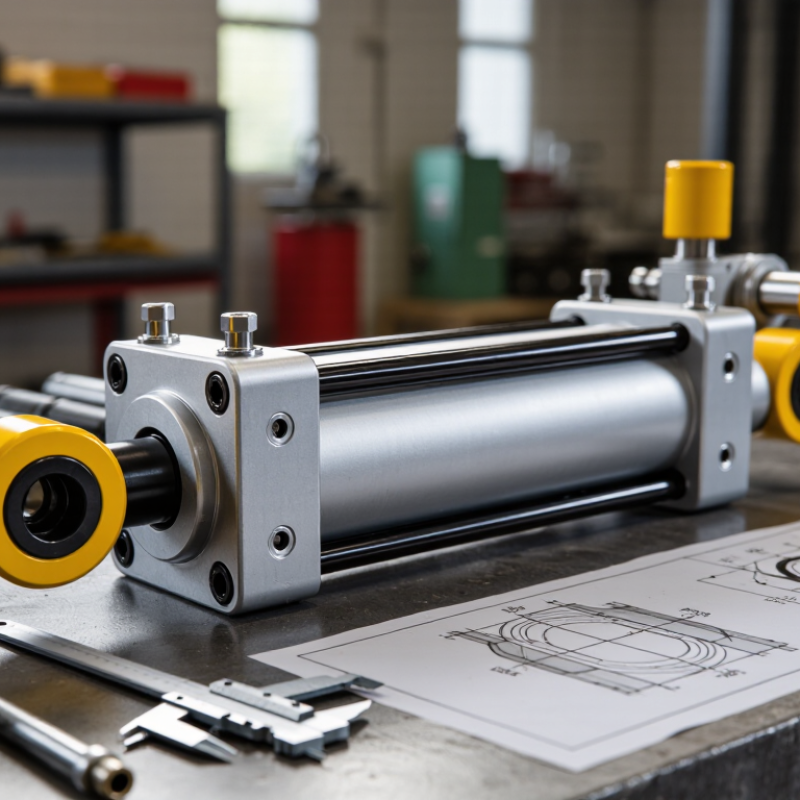
Before selecting an AVM hydraulic cylinder, define what it must move and how it will move it. Record the load’s weight, direction, travel distance, required speed, and operating cycles per hour. A gate that moves slowly twice daily needs different duty capability from a machine cycling every few seconds. Measure the real load. Include friction, acceleration, and any force needed to hold the load still. Note the available mounting space and whether the rod could experience side loading; cylinders are designed mainly for axial force.
Then document the operating environment: working pressure, pressure spikes, fluid temperature, ambient temperature, and exposure to dust or moisture. Check the power unit’s flow rate, since it affects extension speed, and identify the expected duty cycle before specifying seals or materials. The U.S. Department of Energy’s Improving Pumping System Performance: A Sourcebook for Industry reports that system-level pump optimization can offer energy savings of 20–50 percent. That figure is not a cylinder-savings guarantee, but it shows why matching components to actual demand matters. Field conditions can be messier than drawings suggest. Recheck assumptions against measurements, especially peak pressure and cycle frequency.
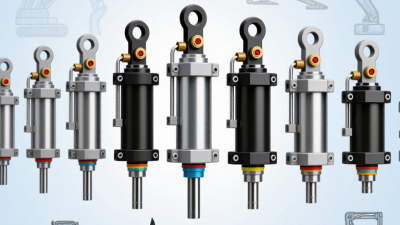
Choosing an AVM hydraulic cylinder starts with the load, not a guess at bore size. Estimate the force needed during extension and retraction, including friction, moving weight, and any acceleration. Bore area determines extension force at a given pressure, while the rod reduces the effective area during retraction. Check both directions. A cylinder that lifts a load may still retract too slowly or lack enough pull force.
Match the stroke to the machine’s real travel. Measure between the mounting points at both ends of motion, then allow for the required clearances and any cushioning. Extra stroke can create collision or alignment problems. Too little stroke can prevent the mechanism from completing its task. Small details matter. Also check rod strength under compression, especially on long-stroke cylinders, and avoid side loads that can wear seals and guides.
Compare the cylinder’s rated working pressure with the system’s normal and peak pressure, not just the pump’s stated output. Pressure spikes can occur when a load stops suddenly. Confirm that the mounting pins, hoses, and structure can handle the resulting forces. A neat calculation can still miss real-world impacts or uneven loading. Recheck assumptions with measured machine data; estimates are useful, but they are not measurements.
Mounting style determines how an AVM hydraulic cylinder transfers force into the machine. Match the cylinder’s clevis, pin, trunnion, or flange arrangement to the existing brackets. Small details matter. Measure pin diameter and center-to-center distance, then check bracket width and available clearance. A pin that nearly fits can still bind under load.
Compatibility also depends on the cylinder’s closed and extended lengths, stroke, bore, and rod size. Compare these dimensions with the machine’s full movement range, not just its parked position. Move the linkage through its travel and look for contact with hoses, guards, or nearby frame parts. Measure twice. A cylinder with the right stroke can still be wrong if its mounting points shift the linkage angle.
Check the equipment manual for operating pressure, port type, and required flow before connecting a replacement. Confirm that the hydraulic lines can reach without stretching or rubbing at either end of travel. Side loading from misaligned mounts can accelerate seal and rod wear, even when the cylinder appears to operate normally. It happens. If dimensions are unclear, record the measurements and ask a qualified service technician to verify them before ordering.
Compare theoretical extension force at a constant pressure of 2,500 psi. Before selecting a cylinder, confirm its mounting style and dimensions fit the equipment’s attachment points and motion.
Note: Values are calculated using force = pressure × piston area (π × bore² ÷ 4). Actual force may be lower due to system losses. Check equipment requirements, available pressure, stroke, and mount compatibility before choosing.
When comparing an AVM hydraulic cylinder, examine the materials in the tube, rod, and end fittings. They must suit the working pressure, load, fluid, and environment. A rod exposed to moisture or grit may need corrosion resistance and a durable surface finish. A shiny finish alone proves little. Ask what material and coating are specified, and whether they suit your actual operating conditions.
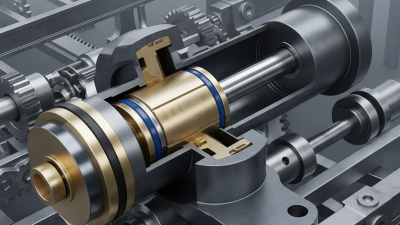
Seals deserve equal attention. Check compatibility with the hydraulic fluid and expected temperature range. Ask how the design handles dust, pressure spikes, and repeated cycles. A seal that performs well in a clean workshop may wear faster in a gritty field. Small details matter. If operating conditions vary, share real temperature and duty-cycle information before selecting a seal package.
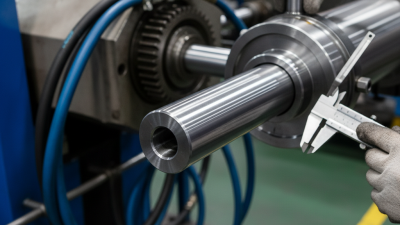
Manufacturing quality shows up in measurable details: rod straightness, bore finish, weld consistency, and clean assembly. Request inspection records and pressure-test results for the cylinder type you are buying. Ask how defects are traced and handled. A polished catalog photo proves little. Even with good documentation, compare the stated test conditions with your application; this step is easy to overlook. If possible, inspect a sample for smooth movement, visible damage, and clean ports before installation.
An AVM hydraulic cylinder may look affordable at purchase, but its service needs shape the real cost. Match the maintenance schedule to the machine’s duty cycle, operating temperature, and environment. A cylinder working near abrasive dust may need more frequent seal checks than one in a clean indoor system. Small leaks matter.
Ask how seals, wear parts, and replacement components are sourced, and whether routine inspection requires special tools. Check rod surfaces for scoring and look for fluid around ports during scheduled inspections. These simple checks can catch problems early. Still, inspection intervals should follow the equipment manual and actual operating conditions, not guesswork.
Read the warranty terms before comparing quotes. Confirm its duration, covered components, and any requirements for installation, fluid quality, or maintenance records. A warranty is useful only when its conditions are practical for your team to meet. Then estimate total cost of ownership: purchase price, expected maintenance, replacement parts, downtime, and labor. Downtime is easy to underestimate. A low-cost cylinder may become the expensive choice if a replacement takes days to arrive. Use realistic figures from your own service history where possible, and revisit the estimate when operating conditions change.
| Tip | What to Review | Practical Check | Why It Matters |
|---|---|---|---|
| 1. Match the cylinder to the application | Required force, operating pressure, stroke, mounting style, speed, and available space. | Confirm the load in both directions and check that the cylinder’s rated pressure and dimensions suit the machine. Allow for side loads and dynamic forces in the design. | A poor match can cause premature wear, bending, leakage, or unsafe operation. Cylinder selection should be checked against the equipment design and operating conditions. |
| 2. Check materials and sealing options | Rod and tube materials, surface protection, seal compound, fluid compatibility, temperature, dust, and moisture exposure. | Ask for written compatibility information for the hydraulic fluid and operating temperature range. For corrosive or outdoor environments, confirm the specified corrosion protection. | Suitable materials and seals can reduce corrosion and fluid leakage. Seal life depends on the actual fluid, temperature, pressure, contamination, and duty cycle. |
| 3. Assess maintenance access | Access to rod seals, ports, fittings, mounting pins, and any serviceable components. | Check whether the cylinder can be inspected and removed without extensive disassembly of surrounding equipment. Confirm that replacement seals and service instructions are available. | Better access can shorten routine inspections and repair work, reducing machine downtime and labor requirements. |
| 4. Plan inspection and fluid maintenance | Leak checks, rod condition, mounting wear, hose connections, hydraulic-fluid cleanliness, and filter maintenance. | Follow the equipment and component manuals for inspection and fluid-service intervals. Record leakage, damage, unusual movement, and fluid changes; do not assume one interval fits every duty cycle. | Contamination and missed damage can accelerate wear in cylinders and other hydraulic components. Maintenance frequency should reflect operating hours, environment, and manufacturer guidance. |
| 5. Read the warranty terms carefully | Coverage period, start date, covered parts and labor, exclusions, claim process, and responsibility for shipping or removal. | Request the written warranty before purchase. Check how it treats wear items, contamination, incorrect installation, overload, unauthorized repairs, and use outside stated limits. | Warranty coverage and duration vary by seller, product, and application. Clear terms help prevent unexpected repair costs; a warranty does not replace proper sizing or maintenance. |
| 6. Compare total cost of ownership | Purchase price, installation, scheduled maintenance, replacement parts, expected downtime, and disposal or replacement costs. | Illustrative 5-year comparison: $1,200 purchase and installation + $150 per year in maintenance + $400 in estimated repair and downtime costs = $2,350. Replace these assumptions with local quotes and operating data. | The lowest initial price may not produce the lowest lifecycle cost. Compare options using the same service period and include downtime where it affects production. |
| 7. Verify documentation and support | Dimension drawings, pressure and load ratings, installation instructions, parts information, test records, and technical support. | Confirm that documentation matches the exact cylinder configuration. Ask who can provide replacement parts and technical assistance, and clarify expected lead times before ordering. | Complete, configuration-specific information supports safe installation, easier maintenance, and more reliable planning for repairs or replacement. |