Top 10 Outrigger Cylinder Manufacturers for Global Buyers?
Choosing an Outrigger Cylinder manufacturer requires more than comparing catalog prices. Reliability often appears only when a machine is fully loaded, unevenly positioned, or exposed to rain and dust.
Industry reports show why this component deserves closer attention. Grand View Research identifies construction equipment growth, infrastructure investment, and rental activity as major drivers for hydraulic cylinder demand. MarketsandMarkets also highlights mobile hydraulics, compact equipment, and smart maintenance as important development areas. These trends directly affect outriggers used on truck cranes, aerial platforms, concrete pumps, and recreational vehicles. However, market growth does not automatically prove product quality.
Field experience matters. A dependable cylinder should provide stable extension, controlled retraction, suitable load capacity, and resistance against corrosion. Buyers should examine rod coating, seal materials, bore tolerances, mounting design, pressure ratings, and testing procedures. ISO-related manufacturing controls can help, but certification alone is not enough. Supplier traceability and documented inspection records remain essential.
Small details matter.
A poorly protected rod can collect grit near the seal. That grit may become an expensive failure point during routine deployment. The best manufacturers usually explain fatigue testing, hydraulic cleanliness targets, warranty limits, and replacement support. They also clarify whether products are standard, customized, or assembled for a specific chassis.
This Top 10 Outrigger Cylinder Manufacturers guide compares global suppliers through practical criteria, including engineering capability, production consistency, customization, delivery performance, and after-sales service. The ranking is not absolute. Regional service networks, application conditions, and buyer priorities can change the result. Some manufacturers publish impressive specifications, yet provide limited field evidence. That gap deserves careful review before purchase.
What Are Outrigger Cylinders and Where Are They Used?
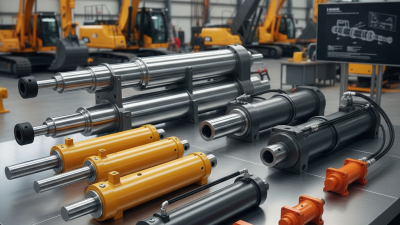
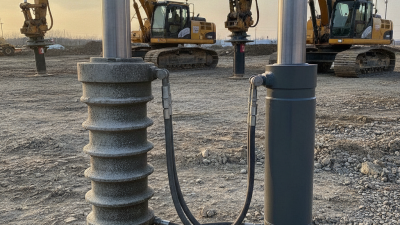
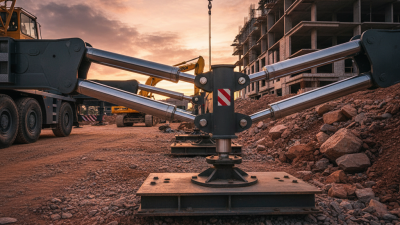
Outrigger cylinders are hydraulic actuators that extend and lock a machine’s stabilizing legs. They transfer load from the chassis to the ground. This action widens the support footprint and reduces overturning risk during lifting or platform operation. In practical inspections, look for scoring, oil seepage, bent rods, and uneven extension. Small leaks matter.
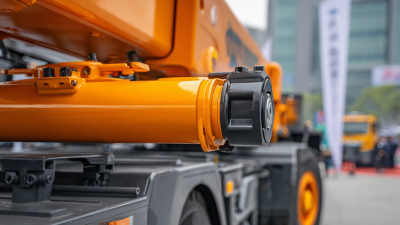
They are widely used on mobile cranes, aerial work platforms, concrete pumps, rescue vehicles, and specialty utility trucks. Their working conditions vary sharply. A crane may face heavy side loads, while an access platform needs smooth, repeatable positioning. According to the International Energy Agency’s Renewables 2024 report, global renewable capacity additions reached about 510 gigawatts in 2023. More installation activity means more lifting and access equipment on uneven sites. That increases demand for reliable stabilization systems.
Urban construction will remain important. United Nations projections indicate that nearly 68% of the world’s population may live in urban areas by 2050. For global buyers comparing the top ten outrigger cylinder manufacturers, specifications deserve more attention than catalog appearance. Check bore size, stroke, rated pressure, retracted length, mounting geometry, seal materials, and corrosion protection. ISO 4413 provides useful hydraulic safety principles, but compliance claims still need verification. I would also request fatigue-test records and service data. One weakness remains common: buyers often compare price before checking ground conditions, duty cycles, and spare-seal availability. That approach can become expensive.
Top 10 Outrigger Cylinder Manufacturers for Global Buyers
Top 10 Outrigger Cylinder Manufacturers for Global Buyers
For global buyers, selecting among the top 10 outrigger cylinder manufacturers requires more than comparing catalog prices. A reliable supplier should show working-pressure data, bore and stroke tolerances, seal materials, and test records. Look for traceable steel batches and documented fatigue testing. These details reveal engineering discipline. They also expose weak marketing.
Ask how each manufacturer controls contamination during assembly. A single metal particle can damage a seal and cause slow hydraulic drift. Request inspection reports, dimensional drawings, and a clear warranty process. Confirm compatibility with your pump, valve configuration, mounting pins, and operating climate. In coastal regions, coating thickness matters. In cold yards, seal performance may matter more. I would not trust a polished brochure alone. Site audits help, but they can be costly and imperfect.
Tips: Compare at least three quotations using identical specifications. Ask for cycle-test results under realistic loads, not only factory pressure. Check lead times, spare-seal availability, packaging, and technical response times. Keep one approved sample for future inspection. Record every design change. Small revisions can affect fit.
Top 10 Outrigger Cylinder Manufacturers for Global Buyers
Manufacturer-neutral technical benchmark based on theoretical hydraulic push force at a standardized reference pressure of 250 bar.
The chart compares ten representative cylinder bore sizes commonly used for hydraulic lifting applications. Theoretical push force is calculated using F = P × π × d² ÷ 4, where pressure is 25 MPa and bore diameter is measured in millimetres. Actual performance varies with system pressure, rod size, friction, valve losses, mounting design and safety factors.
How the Leading Manufacturers Compare by Product Capabilities
Comparing the top ten outrigger cylinder manufacturers requires more than checking catalog prices. Product capability begins with the cylinder’s working conditions. Buyers should examine bore diameter, stroke length, retracted height, and rated pressure. A cylinder designed for a compact crane may not suit a heavy rescue platform. Small differences matter.
In field evaluations, I look closely at rod coatings, seal materials, port placement, and mounting options. Durable coatings help resist mud and road salt. Well-designed seals reduce leakage during repeated extension cycles. Some manufacturers offer integrated position sensors, replaceable wear rings, and customized hydraulic ports. Others focus on standard dimensions, which can shorten procurement time and simplify replacement. Both approaches have value.
Testing and documentation separate dependable suppliers from polished sales pages. Ask for pressure-test records, load-cycle data, dimensional drawings, and traceable material information. Manufacturing consistency also matters. A cylinder that performs well in a factory may behave differently after months of vibration and uneven loading. I have seen specifications look impressive while service access remained inconvenient. That weakness deserves attention. Lead times, spare-seal availability, technical support, and repair guidance should be compared beside performance figures. A lower purchase price can become expensive when a failed cylinder keeps equipment idle.
What Global Buyers Should Check Before Choosing a Supplier
When comparing the top ten outrigger cylinder manufacturers, global buyers should inspect evidence, not polished promises. A supplier should provide cylinder drawings, bore and rod sizes, stroke tolerance, rated pressure, and mounting details. Ask how each batch is tested. Request pressure-test records tied to serial numbers, not a generic certificate. I would also check chrome thickness, seal materials, welding procedures, and surface protection for salt exposure. These details reveal engineering depth. An experienced manufacturer can explain failure modes, including side loading, contamination, and uneven ground forces. If answers sound vague, pause. One overlooked question can become a costly field repair.
Reliability also depends on traceability and support after shipment. Check whether the factory controls machining, welding, heat treatment, and final assembly, or outsources critical steps. Review inspection plans, calibration records, and change-control procedures. Confirm compliance with the safety and pressure requirements of the destination market. Ask for references from comparable equipment and operating climates. A serious supplier should state lead times honestly and explain replacement-part availability. Do not judge quality from low pricing alone. A cheaper cylinder may carry thinner plating or less consistent seals. That risk is easy to miss. I have seen buyers focus on unit cost and ignore downtime, freight delays, and installation labor. The comparison can be imperfect. Still, a factory visit, sample inspection, and independent load test can expose uncomfortable gaps before a purchase order.

 +86-13349293098
 Contact WhatsApp
 Contact Email