Top Hydraulic Oil Cylinder Features You Should Know?
In the realm of heavy machinery, the Hydraulic Oil Cylinder plays a pivotal role. According to a recent report from Market Research Future, the hydraulic cylinder market is expected to reach $15 billion by 2025. This emphasizes the importance of understanding key features that define hydraulic oil cylinders today.
Expert insights from Dr. Emily Chen, a leading authority in hydraulic systems, underline the significance of quality materials. She states, "The longevity of hydraulic oil cylinders directly affects machine efficiency." This highlights the need for manufacturers to prioritize durability and performance in their designs.
As industries evolve, so do the requirements for hydraulic oil cylinders. Users need to remain aware of emerging technologies and material innovations. While many cylinders boast impressive specifications, not all meet the rigorous demands of modern applications. Critical assessment of features is mandatory. The future depends on adapting to these changes for improved operational reliability.
Key Components of Hydraulic Oil Cylinders
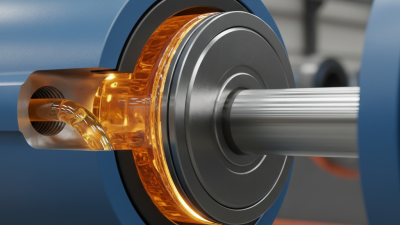
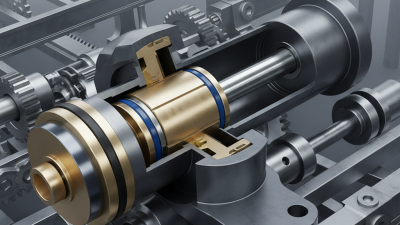
Hydraulic oil cylinders are crucial for converting hydraulic energy into mechanical power. Understanding their key components can enhance system performance. At the heart of every hydraulic cylinder is the piston, which moves within the cylinder housing. In industrial applications, the piston typically connects to the load being moved, creating the necessary force. A robust seal design ensures that hydraulic fluid remains contained, maximizing efficiency.
Another critical component is the cylinder barrel. It must be constructed from high-strength materials to withstand internal pressure and wear. Data from industry reports indicate that the use of advanced materials can extend the lifespan of cylinders significantly. In fact, cylinders engineered with reinforced steel can outperform standard models by 40% in durability tests.
The hydraulic fluid itself is also essential. Proper viscosity ensures smooth operation and helps in temperature regulation. Regular monitoring is necessary to detect contamination, which can lead to cylinder failure. Using unreliable fluids can reduce system effectiveness. Manufacturers often recommend regular maintenance checks to assess seal integrity and fluid quality, aiming for optimal performance.
Understanding Hydraulic Cylinder Functionality
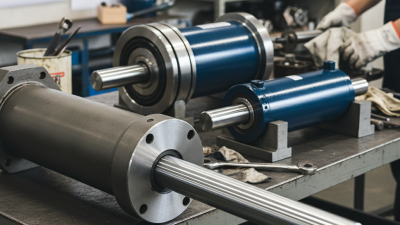
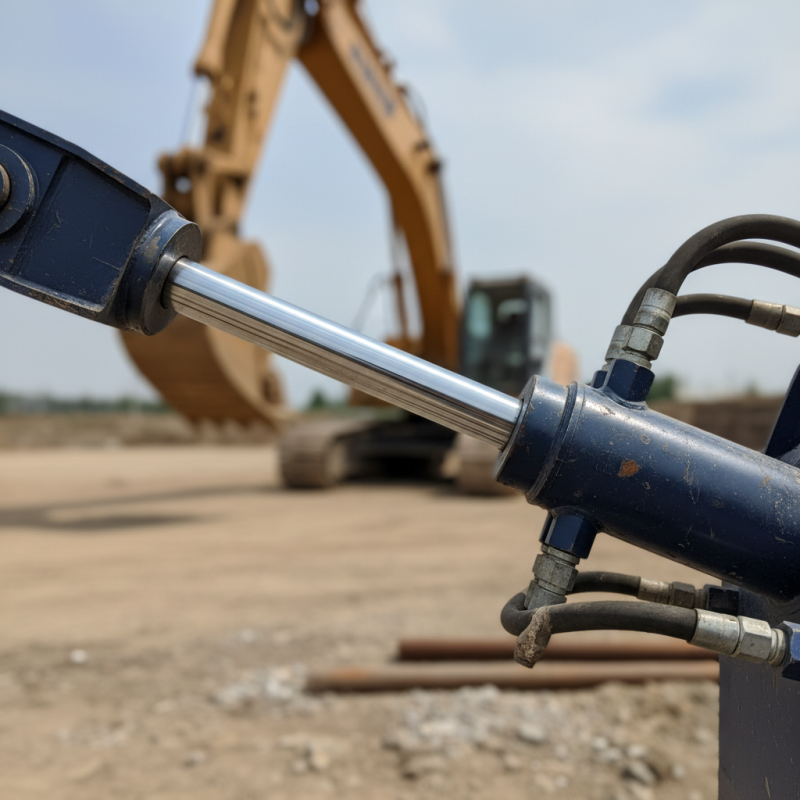
Hydraulic cylinders are critical in machinery for transferring force through fluid pressure. Understanding their functionality helps in optimizing system performance. These cylinders consist of a hollow cylinder, a piston, and a rod. The pressurized fluid moves the piston, creating linear motion. Key metrics, such as pressure and flow rate, significantly influence performance.
Reports indicate that hydraulic cylinders can operate under pressures exceeding 3000 psi (pounds per square inch). Such high pressures facilitate compact designs while delivering powerful force. However, with great power comes the risk of failures. According to industry studies, nearly 10% of hydraulic failures stem from seal leaks. Regular maintenance and inspections are vital to mitigating these risks.
Furthermore, environmental conditions can affect cylinder performance. For example, extreme temperatures may alter fluid viscosity, leading to slower response times. Engineers must acknowledge these factors when designing hydraulic systems. Continuous education and adherence to industry standards are crucial for improving reliability and longevity. Understanding hydraulic cylinder functionality is essential for effective machinery design and operation.
Top Hydraulic Oil Cylinder Features
Material Selection and Durability Considerations
When selecting hydraulic oil cylinders, material choice is vital for their performance and longevity. Steel and aluminum are common materials. Steel offers superior strength, while aluminum is lighter and resists corrosion. Understanding the operating environment is important. For instance, exposure to moisture can impact steel's durability.
Tips: Always consider the working pressure and temperature when selecting materials. This ensures the cylinder can withstand environmental stressors.
Durability is influenced by manufacturing processes too. Quality control during production can prevent failures. According to recent industry studies, cylinders that undergo rigorous testing have a failure rate 30% lower than those that don’t. This highlights the importance of choosing reliable manufacturing practices.
Tips: Review material specifications and testing protocols. This adds an extra layer of assurance to your selection.
Reflecting on material properties can help identify the best choice. If the wrong material is selected, it can lead to operational issues and increased costs. Keep in mind that every choice in the manufacturing process affects the cylinder's eventual performance.
Top Hydraulic Oil Cylinder Features You Should Know
| Feature |
Description |
Material Consideration |
Durability Factor |
| Cylinder Type |
Single-acting, Double-acting |
Steel, Aluminum |
High for steel, moderate for aluminum |
| Bore Size |
Determines force output |
Cast iron, Steel |
Excellent durability |
| Rod Material |
Resists bending and wear |
Chrome-plated steel |
High, due to surface finish |
| Sealing Mechanism |
Prevents fluid leakage |
Nitrile, polyurethane |
Variable, based on type used |
| Pressure Rating |
Indicates maximum operating pressure |
High-strength steel |
High durability at rated pressures |
Maintenance Tips for Optimal Performance
Hydraulic oil cylinders play a critical role in various industrial applications. Proper maintenance is essential to ensure the longevity and efficiency of these systems. Regular checks and routine servicing can significantly enhance performance.
Monitor oil levels frequently. Keeping the oil at recommended levels prevents cavitation and overheating. According to a report from the International Fluid Power Society, maintenance practices can extend equipment life by 20%. Check for signs of leaks. A small leak can lead to substantial fluid loss over time.
Use the correct oil type. Different applications require specific hydraulic oils. Refer to manufacturer guidelines to avoid damage. Routine cleaning of filters ensures optimal fluid flow. Dirty filters can reduce system performance by up to 15%, as stated by industry experts. It’s vital to address any irregular sounds or vibrations immediately; they may indicate deeper issues.
Environmental Impact and Oil Cylinder Efficiency
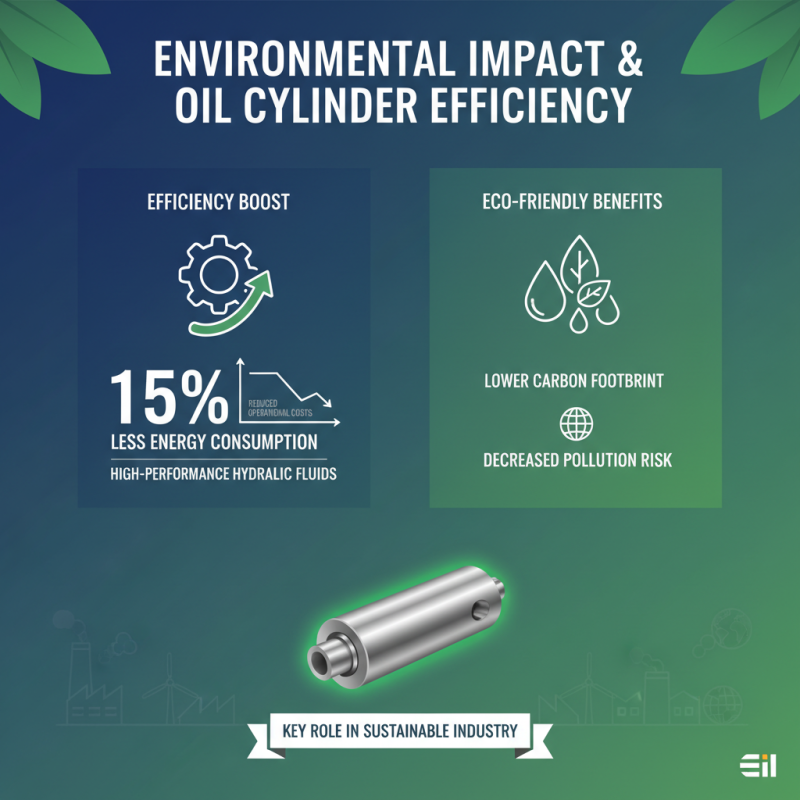
Hydraulic oil cylinders play a crucial role in various industries, influencing both efficiency and environmental impact. The use of hydraulic fluids can significantly affect operational efficiency. For instance, high-performance hydraulic fluids can reduce energy consumption by up to 15%, according to a report by the International Energy Agency. This reduction not only enhances system performance but also lowers operational costs.
On the environmental front, the type of hydraulic fluid used can lead to considerable differences in ecological impact. Some conventional oils may cause detrimental effects if a leak occurs. The US Environmental Protection Agency reports that over 300 million gallons of oil are released into the environment each year, primarily from industrial sources. However, biodegradable hydraulic fluids are emerging as a solution. These alternatives offer competitive performance while reducing environmental risks. Yet, they often cost more and may require additional training for proper handling.
Understanding the balance between efficiency and environmental safety is critical. Industries need to evaluate the long-term benefits of switching to greener alternatives. Continuous monitoring of oil quality and performance helps mitigate risks associated with traditional hydraulic fluids. This ongoing assessment can lead to improvements in both efficiency and sustainability.

 +86-13349293098
 Contact WhatsApp
 Contact Email