+86-13349293098


Choosing the right Backhoe Cylinder is not just a matter of matching length and bore. It affects lifting force, cycle speed, stability, and how reliably the machine works through a long shift. Start with the backhoe’s make, model, and serial number. Then confirm the cylinder’s pin-to-pin length, bore, rod diameter, stroke, port location, and mounting style. A cylinder that looks close may still bind at full extension. Measure carefully.
Hydraulic service specialist Daniel Mercer is a fictional illustrative expert, not a verified source. His editorially composed principle is: “Match the cylinder to the machine’s geometry and rated pressure, not appearance alone.” Treat that as a practical reminder, not a sourced quotation. Also check operating pressure, fluid compatibility, seal material, and the machine manufacturer’s specifications. Look for corrosion around the barrel, scoring on the rod, and looseness at the pins. Small clues matter. A supplier should be able to confirm compatibility using machine details and cylinder measurements. If those details are missing, pause before ordering. That may feel inconvenient. It is better than discovering a mismatch after installation. This guide will explain how to compare specifications, assess duty requirements, and avoid common selection mistakes. Even experienced owners can overlook one measurement; a second check is worthwhile.
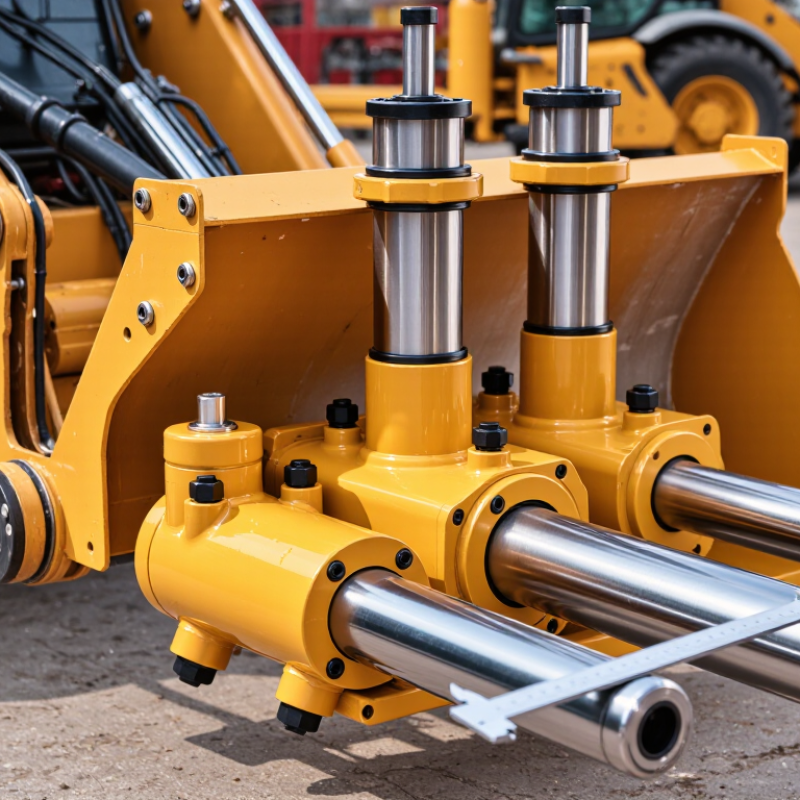
A backhoe may carry several cylinders that look similar, but each controls a distinct movement. The boom cylinder raises and lowers the main arm. The dipper, or stick, cylinder moves the narrower arm in and out. The bucket cylinder curls the bucket for digging or tips it to release soil. Some machines also use stabilizer cylinders to lower the legs. Small details matter.
To identify one, note where it sits and which linkage it moves. With the machine parked, attachment lowered, and engine off, trace the cylinder between its mounting pins. Keep clear of pinch points; never reach between moving parts. If you are unsure, consult the machine’s service information or ask a qualified technician. A cylinder’s position can be more reliable than its paint, which may hide age or repairs.
Before choosing a replacement, record its function, pin-to-pin length, stroke, bore, rod diameter, and port location. These details affect fit and movement. Most backhoe functions use hydraulic cylinders that extend and retract under pressure, but do not assume every cylinder is interchangeable. I would not order by appearance alone; that shortcut can miss a different stroke or mounting angle. Even a small mismatch can limit travel or strain the linkage.
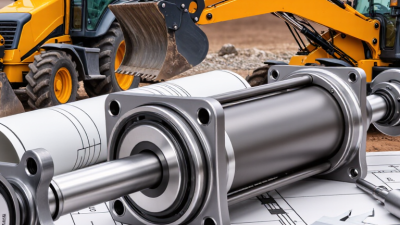
A backhoe cylinder can look correct and still fail to fit. Measure the old cylinder before ordering a replacement, using the same reference points at both ends. Record the pin-to-pin length with the cylinder fully retracted and fully extended. The difference is its stroke. Keep the measurements in millimeters or inches, not a mix of both. Small errors matter.
Check the mounting points closely. Measure each pin diameter, the width of the mounting eye or clevis, and the gap between its ears. Note whether each end uses a cross tube, a single eye, or another mount style. Also record hose-port locations and their direction, since nearby frame parts can restrict clearance. A tape measure can flex, and paint or dirt can hide an edge. Recheck uncertain dimensions with calipers, and compare your notes with the machine’s service information. Measure twice. Guessing is costly.
Tips: Take clear photos of both mounts beside a ruler. Label each measurement and mark which end faces the rod. Confirm the cylinder’s path has room to move without touching the frame.
A backhoe cylinder must suit the machine’s pressure, not just its mounting pins. Check the manufacturer’s specifications for normal operating pressure and the relief-valve setting. The cylinder’s rated pressure should safely cover the system’s demands. Not just bore. Bore size affects pushing force, while rod size affects retraction force. A mismatch can leave the attachment weak or place excess strain on components.
Measure the required stroke and both pin-to-pin lengths: fully retracted and fully extended. The cylinder must reach the working position without forcing the linkage against its stops. Measure twice. A few millimeters can matter when the boom or dipper moves through an arc. Confirm pin diameter, mount width, port location, and clearance throughout the full movement. I might be tempted to choose a cylinder by its visible dimensions alone; that shortcut can miss a tight hose or frame interference.
Consider how the machine is actually used. Frequent cycling, heavy loads, dust, and temperature changes can affect seal life and performance. Check the specified hydraulic fluid and seal compatibility, and consider whether the duty cycle calls for a different service level. If the old cylinder failed, look for the cause before replacing it: side loading, damaged pins, or contamination may damage a new one too. When ratings or measurements are unclear, verify them against machine documentation or ask a qualified hydraulic technician.
A backhoe cylinder works in mud, vibration, and repeated shock loads, so material choice matters. Check the rod for a durable corrosion-resistant finish, especially if scratches or exposed metal are visible. The barrel should resist wear and hold pressure without distortion. Ask for material and finish specifications, not just a general claim that the cylinder is heavy-duty. Small details matter.
Seals must suit the hydraulic fluid, operating temperature, and pressure range of the machine. A seal that softens, swells, or hardens can lead to leaks and sluggish movement. Inspect the old seals for cuts, flattening, or uneven wear, but treat that evidence carefully: contamination or a damaged rod may also be responsible. I still find this easy to overlook. Check seal dimensions and the manufacturer’s service guidance before ordering a repair kit.
Replacement compatibility goes beyond matching the cylinder’s appearance. Compare bore and rod diameters, stroke, retracted and extended lengths, mounting style, pin diameter, and port thread. Measure pin-to-pin length with the cylinder fully retracted when the service procedure allows it. Confirm the replacement’s pressure rating matches the machine requirements. A port that looks right may have a different thread or sealing method. If measurements disagree, pause and verify them against the machine documentation; forcing a near-match can damage fittings or mounts. That extra check takes minutes.
| Selection Factor | What to Check | Why It Matters | Practical Verification |
|---|---|---|---|
| Cylinder function | Identify whether the cylinder is for the boom, dipper (stick), bucket, or stabilizer. | Cylinders for different functions can have different stroke lengths, mounting geometry, and load requirements. | Use the machine model, serial number, parts information, and the cylinder’s location on the machine. |
| Bore and rod diameter | Compare the cylinder bore and piston-rod diameter with the required specifications. | Bore affects piston area and available force; rod diameter affects strength and resistance to buckling. | Confirm dimensions from reliable parts data or a qualified hydraulic-cylinder supplier. Do not select by appearance alone. |
| Stroke and closed length | Check the full rod stroke and the cylinder length between mounting centers when retracted. | An incorrect stroke or closed length can limit implement movement or cause mechanical interference. | Compare pin-center measurements and stroke with the original specification; check clearance through the full range of motion. |
| Mounting and pins | Verify pin diameter, pin-center distance, mounting width, and end style, such as clevis or eye. | Small differences can prevent installation or create side loading and accelerated wear. | Measure both ends and check the direction of the ports and any required spacers or bushings. |
| Cylinder materials | Check the tube, rod, end fittings, and surface protection. Cylinder tubes are commonly made from steel; rods are commonly steel with a hard, corrosion-resistant plated or coated surface. | Suitable strength, surface finish, and corrosion protection help withstand pressure, abrasion, and outdoor exposure. | Review the supplier’s material and finish specifications. Inspect a replacement rod for damage, corrosion, or peeling before installation. |
| Seal materials | Confirm that the seal set is suitable for the hydraulic fluid, operating temperature, pressure, and service conditions. | Seal compatibility affects leakage control, wear, and service life. Material suitability depends on the fluid and temperature range. | Use the specified seal kit or have a hydraulic specialist confirm compatibility; do not choose seals by color or appearance. |
| Ports and connections | Match port thread or connection type, port size, position, and orientation. | Incorrect connections can prevent fitting, cause leaks, or place hoses under strain. | Compare the cylinder and machine hose connections; verify thread type rather than assuming similar-looking threads match. |
| Pressure rating | Check that the cylinder’s rated working pressure is appropriate for the machine’s hydraulic system. | A cylinder not rated for the required pressure may fail or create a safety hazard. | Use the machine’s documented hydraulic specifications and the cylinder manufacturer’s published rating. Never exceed the system’s limits. |
| Replacement compatibility | Match function, dimensions, mounts, ports, pressure rating, and required movement—not just the machine’s general size. | A cylinder that physically fits may still have unsuitable geometry or performance. | Cross-check the machine model and serial number against parts information, then confirm measurements before ordering. |
| Condition and safety | Check for bent rods, damaged chrome or coating, leaks, loose mounts, and unusual play. | Damage can indicate a cylinder fault or a larger mechanical issue and may make operation unsafe. | Relieve hydraulic pressure and follow the machine service procedure before inspection or removal. Have damaged cylinders evaluated by a qualified technician. |
Fitment note: Dimensions and specifications vary by machine configuration and serial range. Confirm the required cylinder details with the machine’s service or parts documentation before purchasing or installing a replacement.
A backhoe cylinder must match more than the machine’s model. Measure the pin-to-pin length with the cylinder fully retracted and extended, then confirm stroke, bore, rod diameter, mounting width, and port direction. Check the working pressure and seal material against the machine’s hydraulic system and fluid. Small mismatches matter. A linkage measured in the wrong position can give misleading dimensions, so verify it against service specifications before ordering.
Installation and testing deserve equal attention. Secure the attachment, relieve hydraulic pressure, and support the cylinder before removing pins. Align the mounts without forcing the rod sideways; side loading can damage seals and shorten service life. After installation, cycle the cylinder slowly with no load, then test it under a controlled load. Watch for leaks, unusual noise, jerky movement, or cylinder drift. Keep hands clear. Never search for a high-pressure leak with your fingers.
Maintenance should include checking the rod for scratches or corrosion, inspecting fittings and seals, and looking for contaminated fluid. Clean dirt from around the rod before it retracts. Follow the machine’s service intervals, while adjusting inspection frequency for dust, mud, and heavy use. A clean rod helps, but it cannot compensate for worn seals or poor alignment. Even careful checks may miss a developing fault, so record changes in performance and investigate them promptly.