China Best Outrigger Cylinder Manufacturers for Sale?
Choosing among China’s Outrigger Cylinder manufacturers is not just a price comparison. These cylinders support stabilizing legs on mobile equipment, where uneven ground and repeated loading test every seal, weld, and mounting point. A polished product photo tells you little. Ask for drawings, material specifications, pressure-test records, and details about corrosion protection. Then check whether the supplier can explain them clearly.
Quality-management expert W. Edwards Deming is widely associated with the reminder, “In God we trust; all others must bring data.” It is a useful principle when comparing manufacturers, though it is not specific to outrigger cylinders. Look for evidence that matches the actual application: rated load, operating pressure, stroke, mounting geometry, and expected duty cycle. Ask how the factory controls machining tolerances and inspects finished cylinders. Request samples of inspection reports, not just assurances. Small details matter. A rod surface with poor finishing can shorten seal life; an unclear lead-time promise can disrupt equipment delivery.
This guide examines what buyers should verify before choosing a China-based supplier, from customization and production capacity to testing and after-sales support. It also considers the limits of online listings: specifications may be incomplete, and low prices can hide costs in freight, rework, or delays. No checklist replaces a technical review. That is worth remembering. Match each claim to documentation, and confirm the final design with a qualified engineer before ordering.
Outrigger Cylinder Basics: How Hydraulic Pressure Produces Stabilizing Force
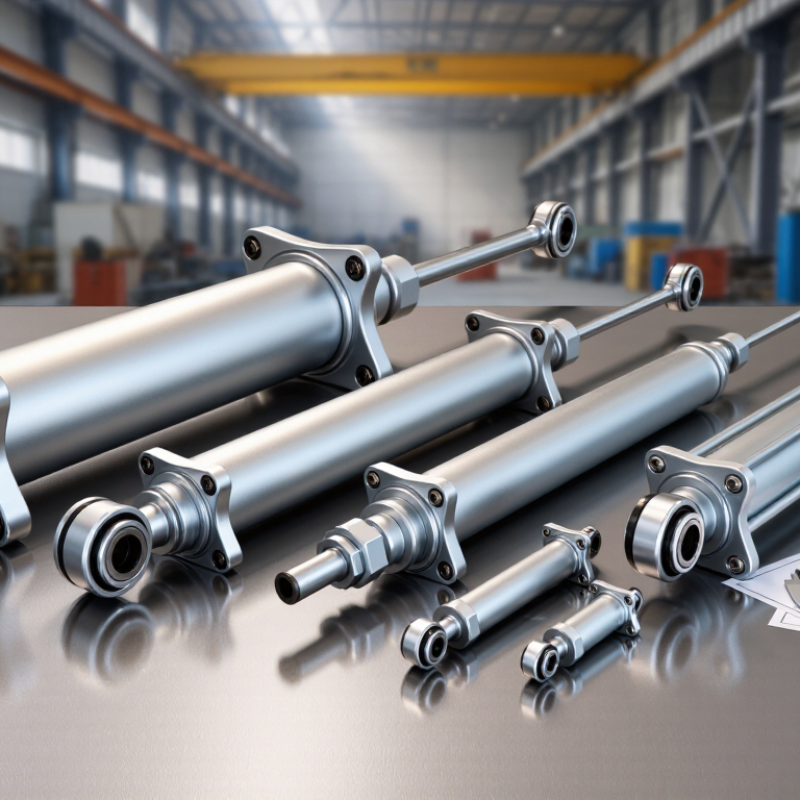
An outrigger cylinder converts hydraulic pressure into a straight pushing force. Pressurized oil enters the cylinder and acts on the piston. Force depends on pressure and piston area, so a larger bore can produce more extension force at the same pressure. Retraction force is usually lower because the rod occupies part of the piston area. That distinction matters when checking a machine’s load chart or troubleshooting a support that feels weak.
The cylinder extends until its foot contacts a suitable surface and transfers part of the machine’s load to the ground. Wider outrigger spacing can improve the support footprint, but it does not make soft soil safe. The ground pad matters. So does the way the machine is positioned. In practice, a neat pressure calculation can mislead if it ignores uneven ground, oil temperature, or load sharing between supports. Small details matter. Watch for a settling foot, a drifting cylinder, or fresh oil around a hose fitting. A slow leak may not be obvious during a quick setup. Recheck the machine’s level and support contact as work proceeds.
Key Specifications: Bore, Stroke, and ISO 6022’s 25 MPa Cylinder Series
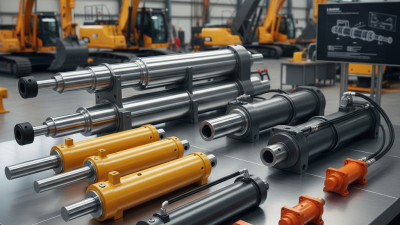
When sourcing an outrigger cylinder, compare bore, stroke, and rated pressure—not just catalogue images. At 25 MPa, a 100 mm bore produces about 196 kN of theoretical extension force, before friction and pressure losses. Small details matter. Actual force depends on operating pressure, seal condition, and mounting alignment, so treat calculations as a starting point.
Stroke is the piston’s working travel, and it must match the stabilizer’s required reach without causing interference when retracted. ISO 6022 covers mounting dimensions for single-rod cylinders in the 25 MPa series; it helps buyers compare installation interfaces. It does not define every port, seal, or surface finish. Measure twice. Confirm bore, rod diameter, stroke, closed length, and mounting dimensions on the supplier’s drawing.
For a practical comparison, ask manufacturers for material specifications, pressure-test records, and details about cushioning and duty cycle. Retraction force is lower than extension force because the rod reduces the effective piston area. A neat specification sheet can still leave gaps, especially around side loads and real operating conditions. That deserves a second look before ordering.
China Best Outrigger Cylinder Manufacturers for Sale? - Key Specifications: Bore, Stroke, and ISO 6022’s 25 MPa Cylinder Series
Indicative engineering comparison for hydraulic outrigger cylinders. Confirm the current ISO 6022 edition, mounting dimensions, materials, and application loads against the supplier’s certified drawing.
| Nominal Bore (mm) |
Illustrative Rod Diameter (mm) |
Example Stroke Options (mm) |
Pressure Series |
Theoretical Extension Force at 25 MPa (kN) |
Theoretical Retraction Force at 25 MPa (kN) |
| 50 |
30 |
200, 300, 400 |
25 MPa (250 bar) |
49.1 |
31.4 |
| 63 |
36 |
250, 400, 500 |
25 MPa (250 bar) |
77.9 |
52.4 |
| 80 |
45 |
300, 500, 600 |
25 MPa (250 bar) |
125.7 |
85.9 |
| 100 |
56 |
300, 500, 700 |
25 MPa (250 bar) |
196.3 |
134.9 |
| 125 |
70 |
400, 600, 800 |
25 MPa (250 bar) |
306.8 |
210.7 |
| 160 |
90 |
400, 600, 900 |
25 MPa (250 bar) |
502.7 |
343.6 |
| 200 |
110 |
500, 700, 1,000 |
25 MPa (250 bar) |
785.4 |
547.8 |
| 250 |
140 |
600, 800, 1,200 |
25 MPa (250 bar) |
1,227.2 |
841.1 |
Force values are theoretical, calculated from pressure and piston area (retraction force uses the annular area); they exclude friction, pressure losses, and safety factors. ISO 6022 covers mounting dimensions for the 25 MPa cylinder series; it does not determine every stroke or rod size. Stroke and rod dimensions shown are illustrative options, not guaranteed standard sizes.
Safety and Testing: Applying ISO 4413 to Hydraulic Cylinder Systems
An outrigger cylinder works under sudden load changes, vibration, and uneven ground. ISO 4413:2010 sets safety requirements for hydraulic systems, including pressure control, protection against unintended movement, and safe maintenance. It does not give one universal proof-pressure value for every cylinder. Test pressure must follow the system design and component ratings.
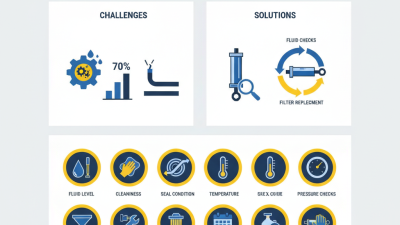
During inspection, record the test pressure, hold time, oil temperature, and any leakage. Watch the rod seal and fittings closely. A cylinder can pass a static test yet behave differently under load. Hydraulic maintenance literature commonly estimates that contamination contributes to 70–80% of hydraulic failures; this is an industry estimate, not a guaranteed rate for every fleet. Clean oil, suitable filtration, and capped ports during assembly help reduce this risk.
For an outrigger application, test controlled extension and retraction, load holding, and response to pressure changes. Check that the cylinder cannot drift unexpectedly after the control is released. Confirm hoses stay clear of pinch points through the full stroke. Small details matter. A tidy test sheet can still miss a loose fitting or a slow leak. That deserves a second look. Choose cylinders with documented material, pressure, and functional-test records, then verify them against the machine’s operating limits and ISO 4413 risk controls.
Comparing Chinese Manufacturers: Materials, Seals, Capacity, and Certification
When comparing Chinese outrigger cylinder manufacturers, start with the load path, not the quoted price. MarketsandMarkets’ Hydraulic Cylinder Market report estimated a USD 14.2 billion market in 2023, forecasting USD 18.9 billion by 2028. That growth makes supplier choice more important, but market size alone cannot verify a cylinder’s quality. Ask for rated pressure, bore, stroke, retracted length, and allowable side load. Check that capacity matches the machine’s stabilizer geometry, not just its maximum lifting figure.
Materials matter at the job site. A honed steel barrel and a properly finished piston rod help resist wear; coating choice should reflect moisture, road salt, and storage conditions. Seal material must suit the hydraulic fluid and operating temperature. Ask for seal specifications and test records, rather than accepting “heavy-duty” as evidence. Small details count. A rod that looks polished may still have poor corrosion protection.
Certification needs careful reading. ISO 9001 concerns a quality-management system; it does not certify a cylinder’s load capacity. Request material traceability, pressure-test results, and the certificate’s scope and issuing body. Compare test pressure and leakage criteria across suppliers. I would still verify these documents against the exact model being offered; paperwork can be tidy while model details remain unclear. Check warranty terms, spare-seal availability, and production lead time before placing an order.
Buying for Sale: Matching Cylinder Ratings to Equipment Loads and Duty Cycles
China Best Outrigger Cylinder Manufacturers for Sale?
When buying outrigger cylinders, match rated force to the equipment’s actual support loads—not just the machine’s advertised lifting capacity. Record the maximum load at each outrigger, operating pressure, stroke, mounting geometry, and expected cycles per shift. Small details matter.
A 100 mm bore cylinder at 20 MPa produces about 157 kN of theoretical extension force, calculated from pressure multiplied by piston area. Actual force is lower because of friction and system losses. This is an example, not a sizing recommendation.
Ask suppliers for rated pressure, rod dimensions, test records, and cycle-life assumptions. ISO 4413:2010 provides general safety requirements for hydraulic systems, but it does not replace equipment-specific engineering.
Duty cycle changes the purchase decision. A truck that deploys its outriggers twice daily has different wear demands from a machine repositioned every few minutes. Frequent cycling, side loads, dirt on exposed rods, and high operating temperatures can shorten seal life. Check whether the cylinder’s stated rating covers the intended load and operating conditions. OSHA’s construction crane rule, 29 CFR 1926.1417, requires operators to follow applicable load charts; those charts help establish the equipment limits that cylinder selection must respect. Request documented test conditions, not just a pressure figure.
I would also verify pin alignment on the actual frame. It is easy to overlook. Sometimes the drawing is right, but the installed geometry is not.

 +86-13349293098
 Contact WhatsApp
 Contact Email